
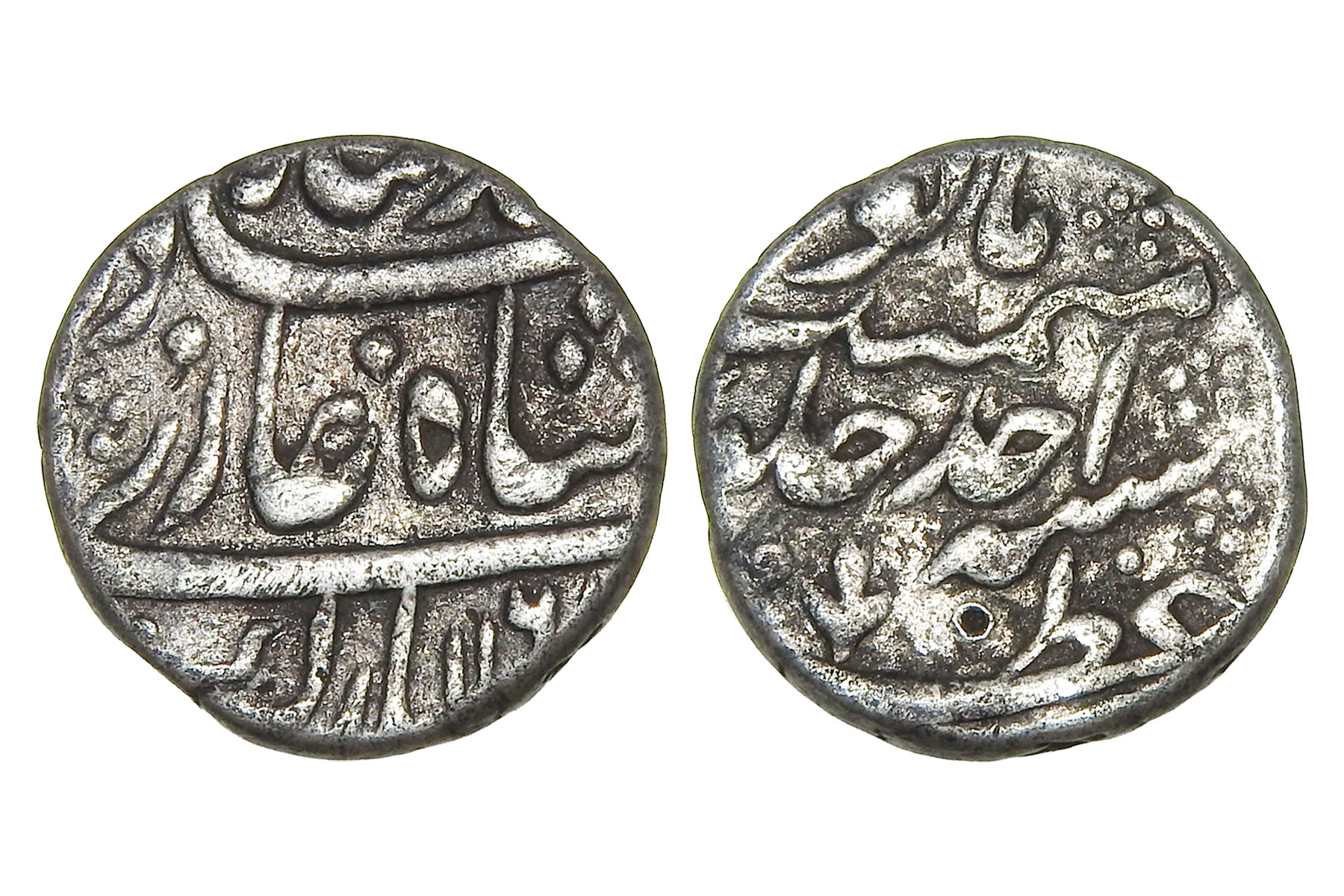

Lot No : 192
Auction No : 8
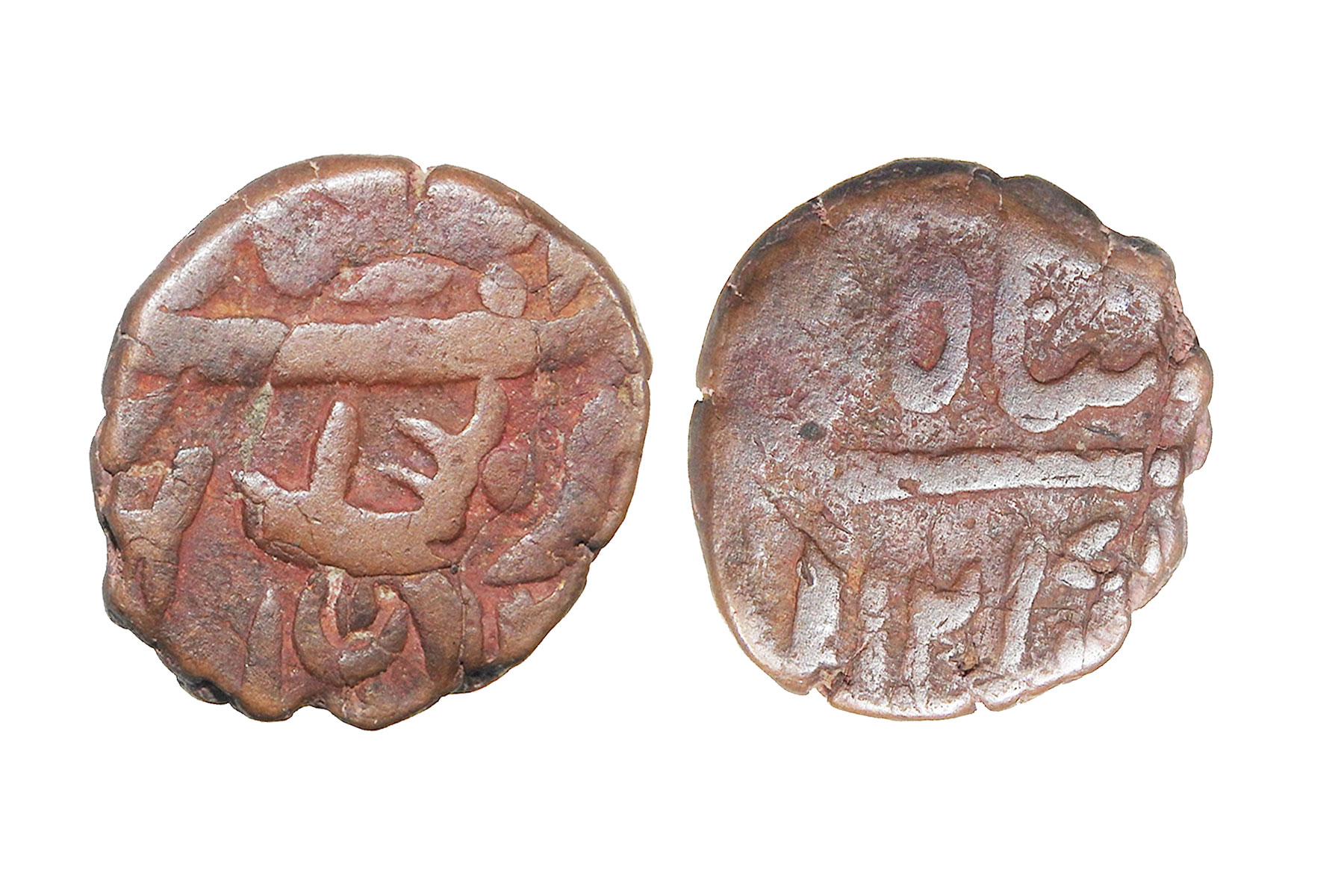
Mughal Empire, Ahmed Shah Bahadur(c. 1161-1167CE), Gold 1/2 Fanam, 0.20grms, Minted in Kadapa(Andra Pradesh) Obv. Presian script Ahmed Shah, Rev. complete year AH1161 above the mint name Kadapa, Uncirculated condition, this is one of the very few known specimens where every detail, including the year, is perfectly preserved. A truly exceptional piece, it combines rarity, historical significance, and pristine craftsmanship, making it an indispensable addition for collectors.
10200
Lot No : 195
Auction No : 8
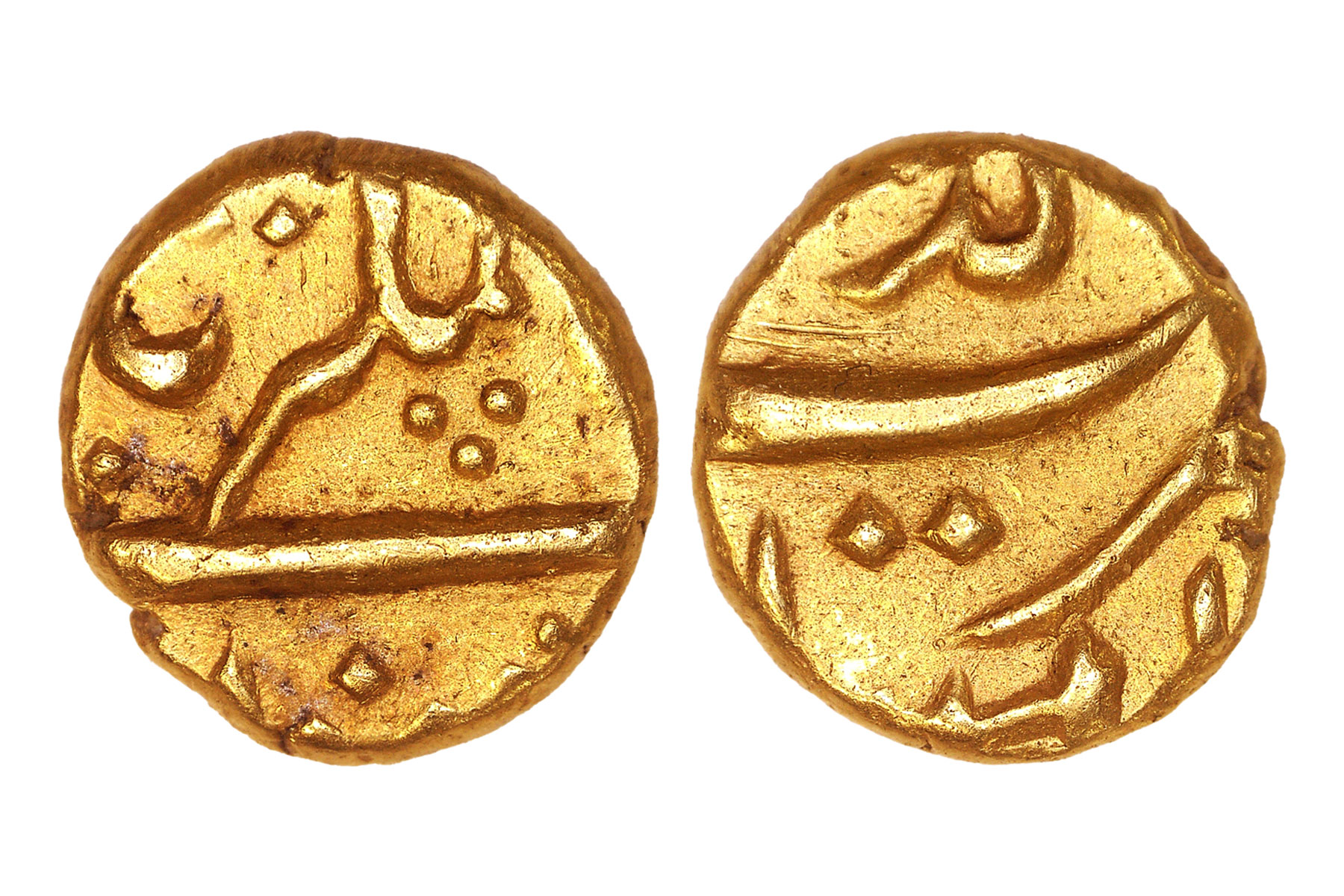
Mughal Empire, Alamgir II(c. 1754-1759CE), Gold 1/2 Pagoda, 1.70grms, Minted at Imtiyazgarh, Extra Fine, Very Rare. Alamgir II ruled during a period of declining central authority. This coin reflects a symbolic assertion of sovereignty in central India. While his military and political control was weak, the mint demonstrates continued imperial oversight over local trade and revenue. The coinage indicates an effort to maintain legitimacy and imperial presence, even as the Marathas and regional powers gained influence. Alamgir II’s influence in Imtiyazgarh was largely ceremonial, representing nominal authority rather than direct administrative or military dominance.
30000
Lot No : 198
Auction No : 8
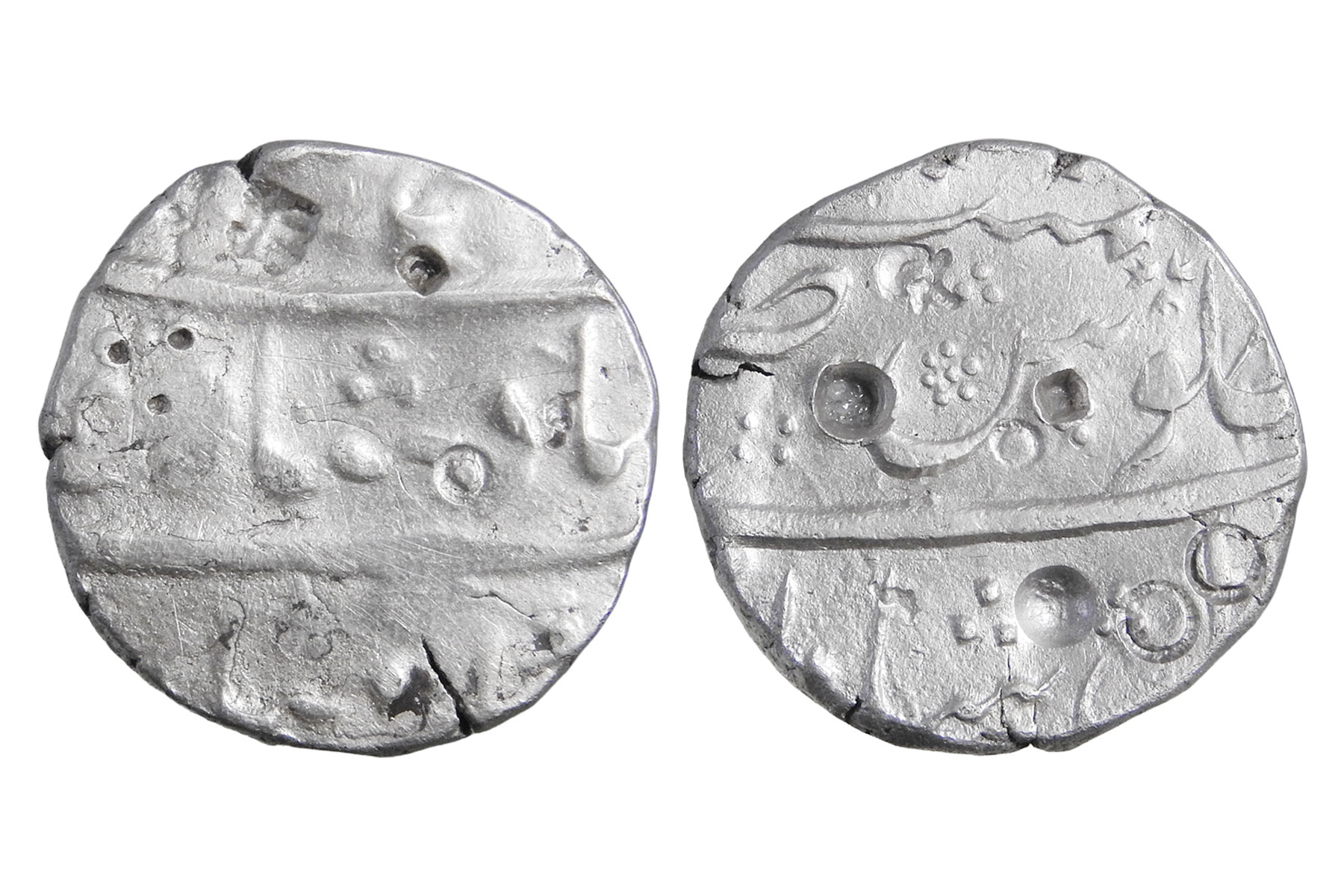
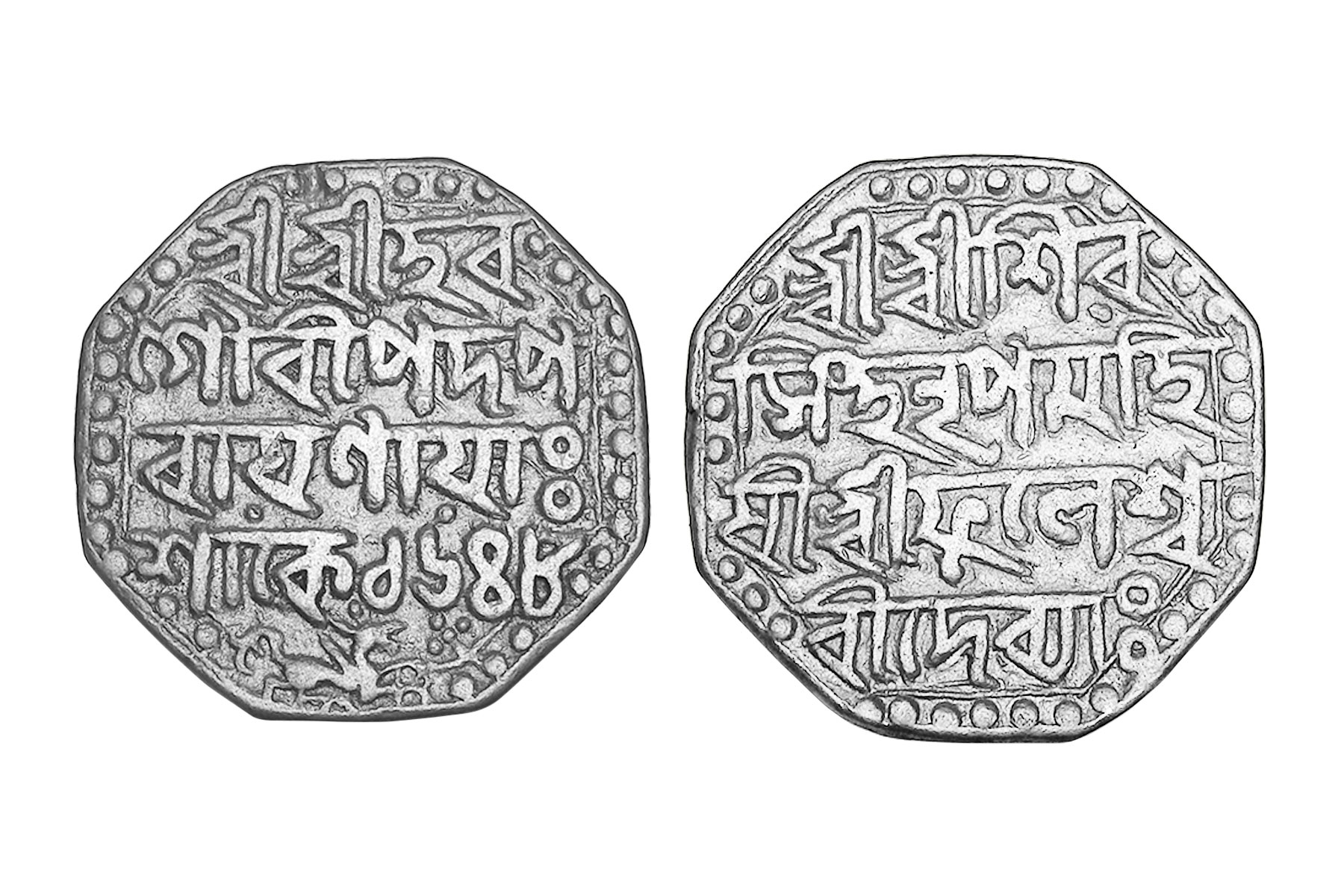
Assam Kingdom, Shiva Simha/Sutanpha, (c. 1715-1744CE), Silver Rupee, 11.20grms, issued with the name of Phulesvari, SE1648, Extra Fine, Rare During the reign of Shiva Simha (Sutanpha), effective authority rested with Queen Phulesvari, who ruled as Bar Raja. The period was marked by intense religious and political conflict, driven by the enforced spread of Shakta (worship of the goddess Shakti, especially Durga/Kali) practices. This policy provoked strong resistance from Vaishnavite Mahantas and followers, leading to widespread unrest. Major conflicts included suppression of Vaishnavite monasteries (sattras) and internal rebellions that weakened Ahom stability. Coins jointly issued in their names reflect this unusual phase of dual sovereignty
14100
Lot No : 199
Auction No : 8
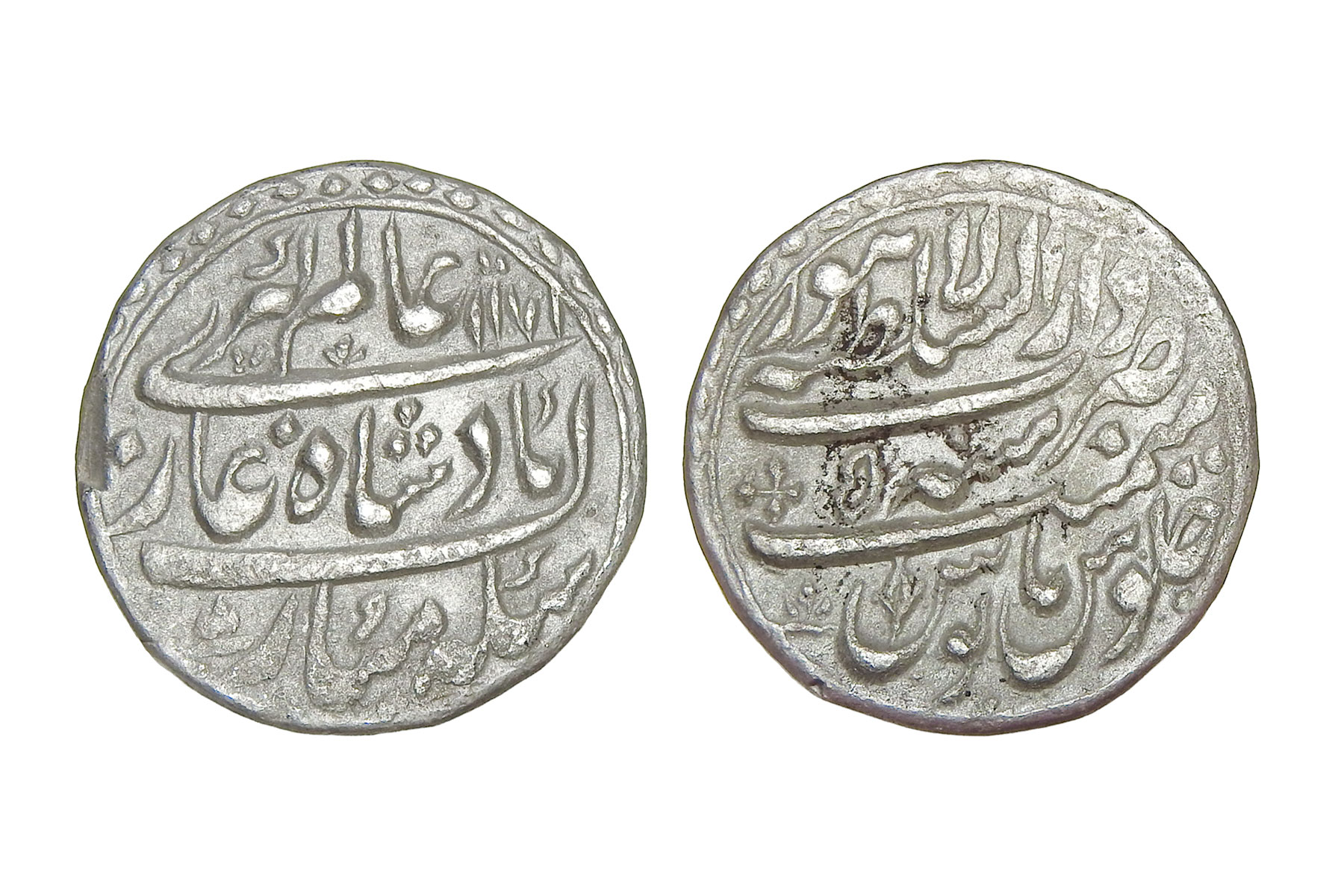
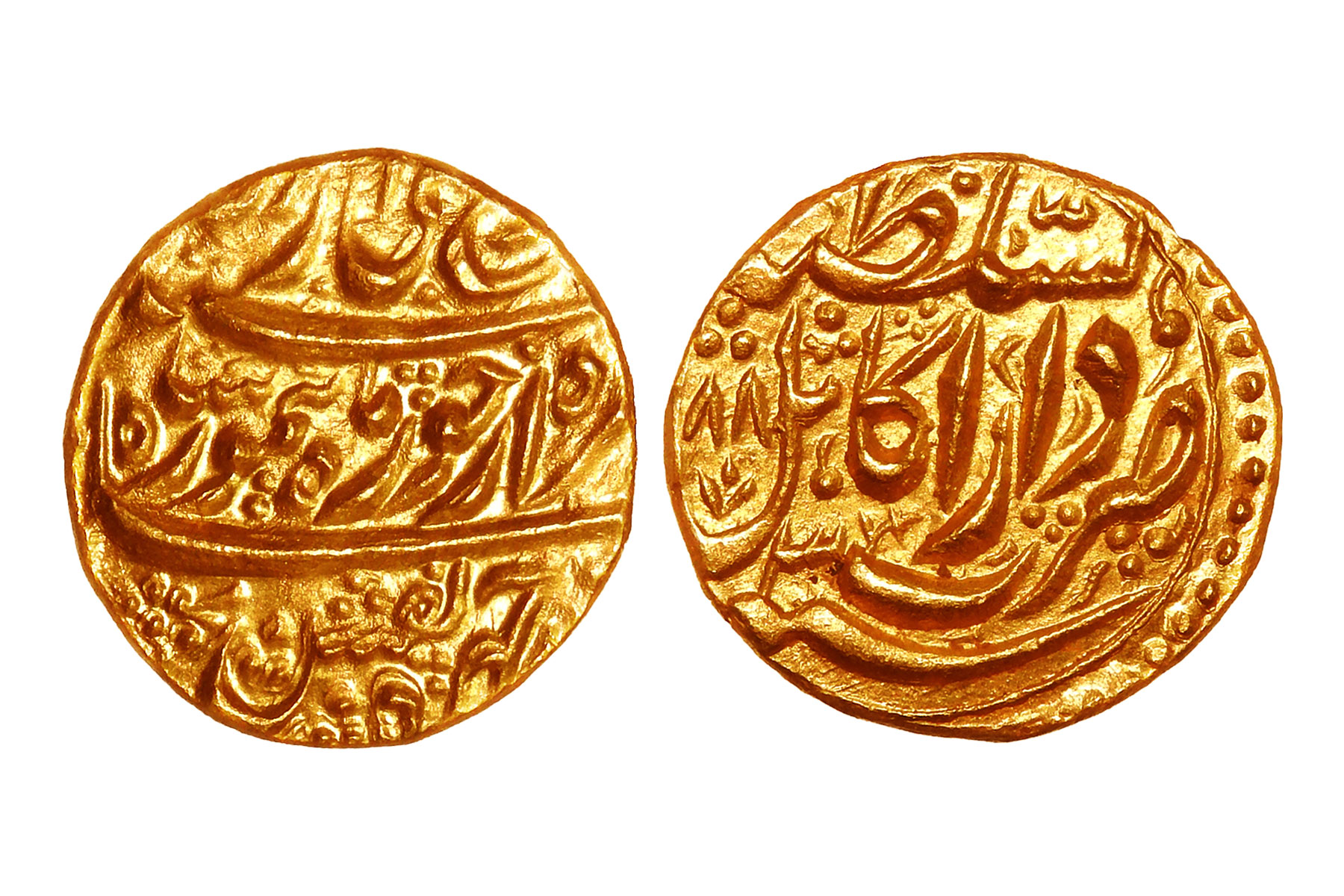
Durrani Kingdom, Taimur shah Abdali(c. 1746-1796CE), Gold Mohur, 10.90grms Minted at Dar al-Sultan Kabul, AH1188/RY03, Gem Uncirculated mohur with a deep strike and a beautiful calligraphy, Rare. Taimur Shah Abdali inherited the throne of the after his Ahmad Shah Abdali`s death. While Ahmad Shah had aggressively expanded into northern India, establishing Afghan dominance in Punjab and the Gangetic plains, Taimur Shah’s approach was comparatively administrative and consolidatory. Around the period when this coin was minted, he maintained nominal suzerainty over key Indian territories, ensuring that Afghan political influence and tribute systems continued despite growing Maratha and local powers. He was less militarily interventionist than his father but upheld the prestige of the Durrani dynasty through diplomacy, coinage, and symbolic authority. Coins minted during this period, asserts both cultural legitimacy and political presence. Taimur Shah’s reign represents a period of Afghan consolidation in India, preserving the legacy of Ahmad Shah while avoiding large-scale invasions or conflicts.
160000
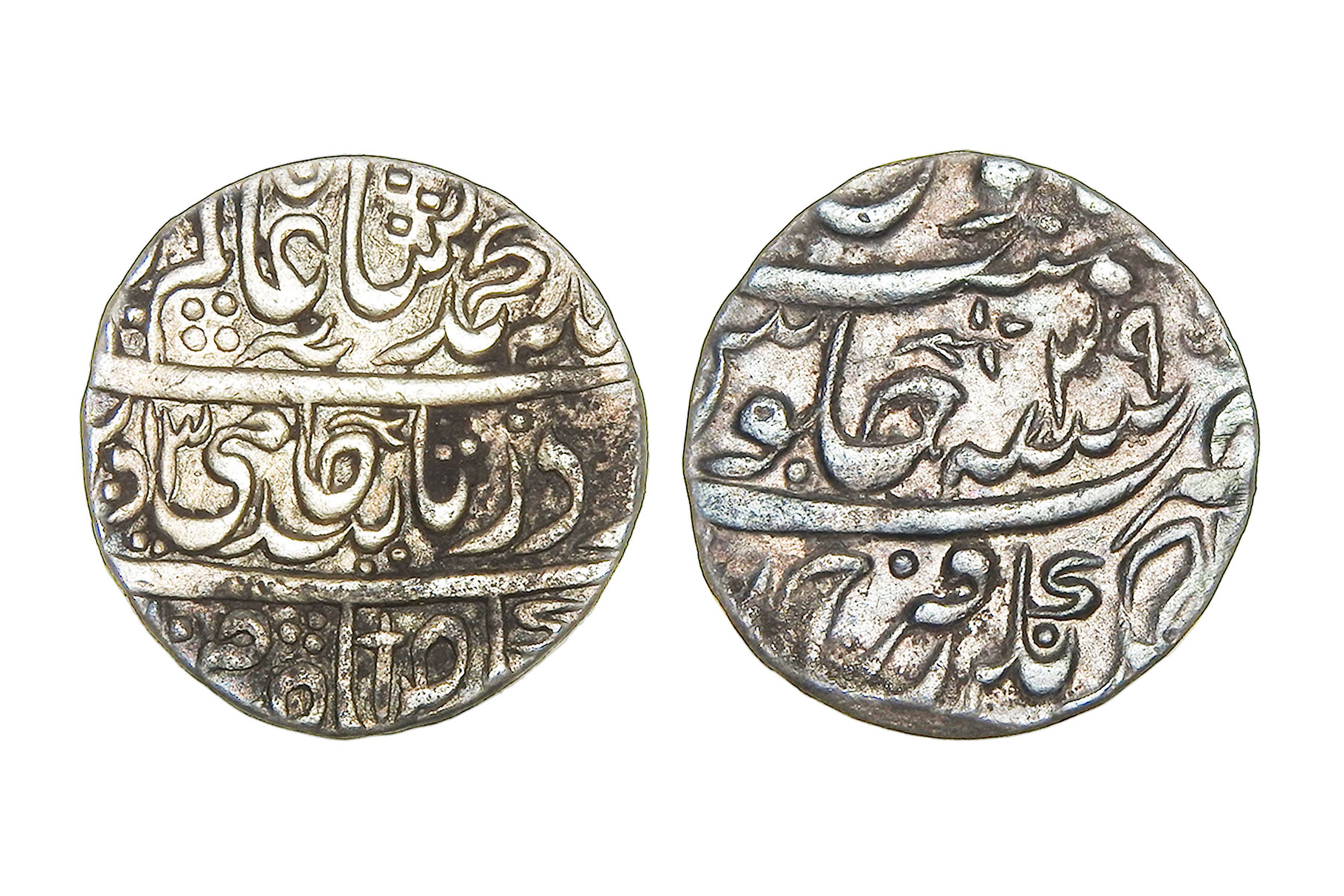
Lot No : 200
Auction No : 8
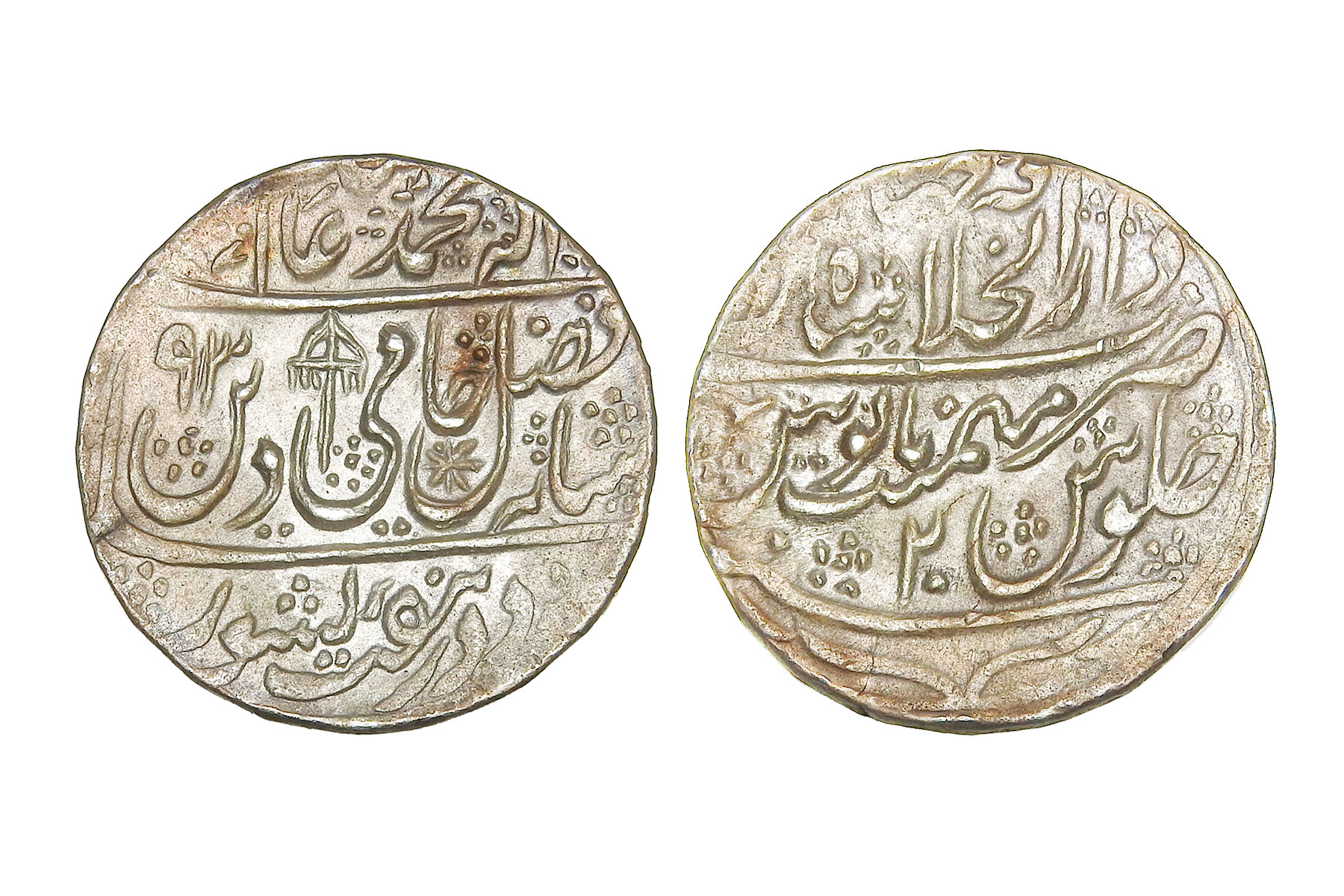
Farrukhabad Kingdom, Nawab Ahmed Khan Bangash, (c. 1714–1771 CE), Silver Rupee, 11.00grms, issued in the name of Mughal emperor Shah Alam II, AH1213/RY39, Minted at Ahmednagar Farrukhabad, ExtraFine, Very Scarce, Large Flan Nawab Ahmed Khan Bangash founded the Farrukhabad Kingdom after asserting autonomy in the Gangetic Doab during the weakening of Mughal authority. His rule was dominated by continuous warfare—notably prolonged conflicts with the Marathas, repeated clashes with Rohilla Afghans, and shifting alliances with declining Mughal emperors. Farrukhabad became a strategic Afghan stronghold resisting Maratha expansion in North India
 WhatsApp