
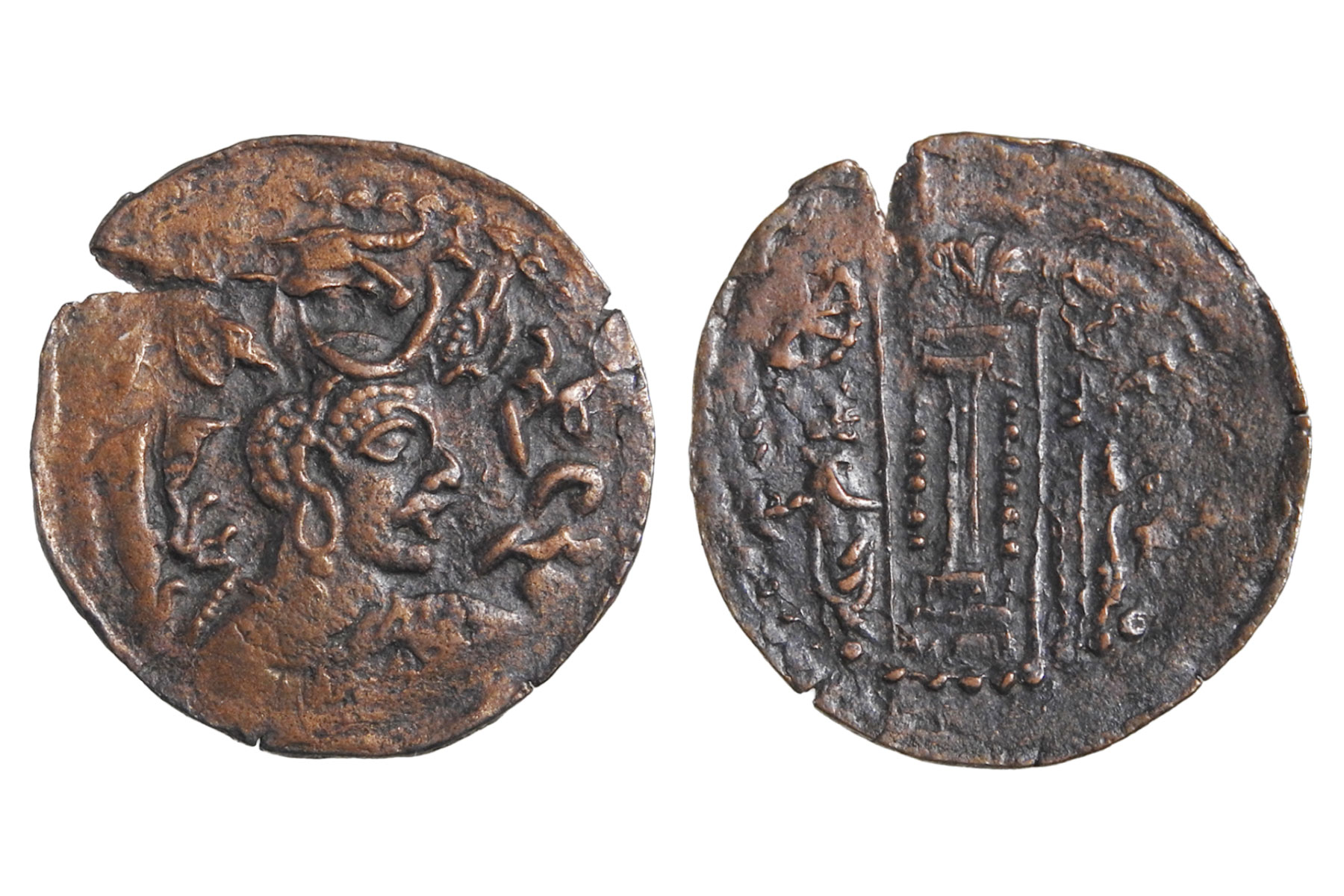
Lot No : 51
Auction No : 8
Hephthalite / White Huns, Napki Malik(475-576AD), Billion Drachm, 3.00 grms, obv. Crowned bust of the king to right with winged headdredd surmounted by a bull`s head and pahlavi legend on the right side, rev. Fire altar flanked by two attendents with a wheel above each attendent, Minted in Kabul, Gobl#205, Very Fine+, Rare The White Huns, or Alchons, were Central Asian nomads whose invasions into northern India weakened the Gupta Empire and accelerated political fragmentation. They were not just conquerors; over time, they adapted to local customs, governance, and social structures to establish authority in the region. Napki Malik, one of their lesser-known rulers, exemplifies this transformation, exercising influence through localized control and diplomacy rather than large-scale conquest. His reign shows how the Huns gradually shifted from foreign invaders to recognized regional powers, shaping post-Gupta political dynamics and leaving a subtle yet lasting mark on northern India’s history
5100
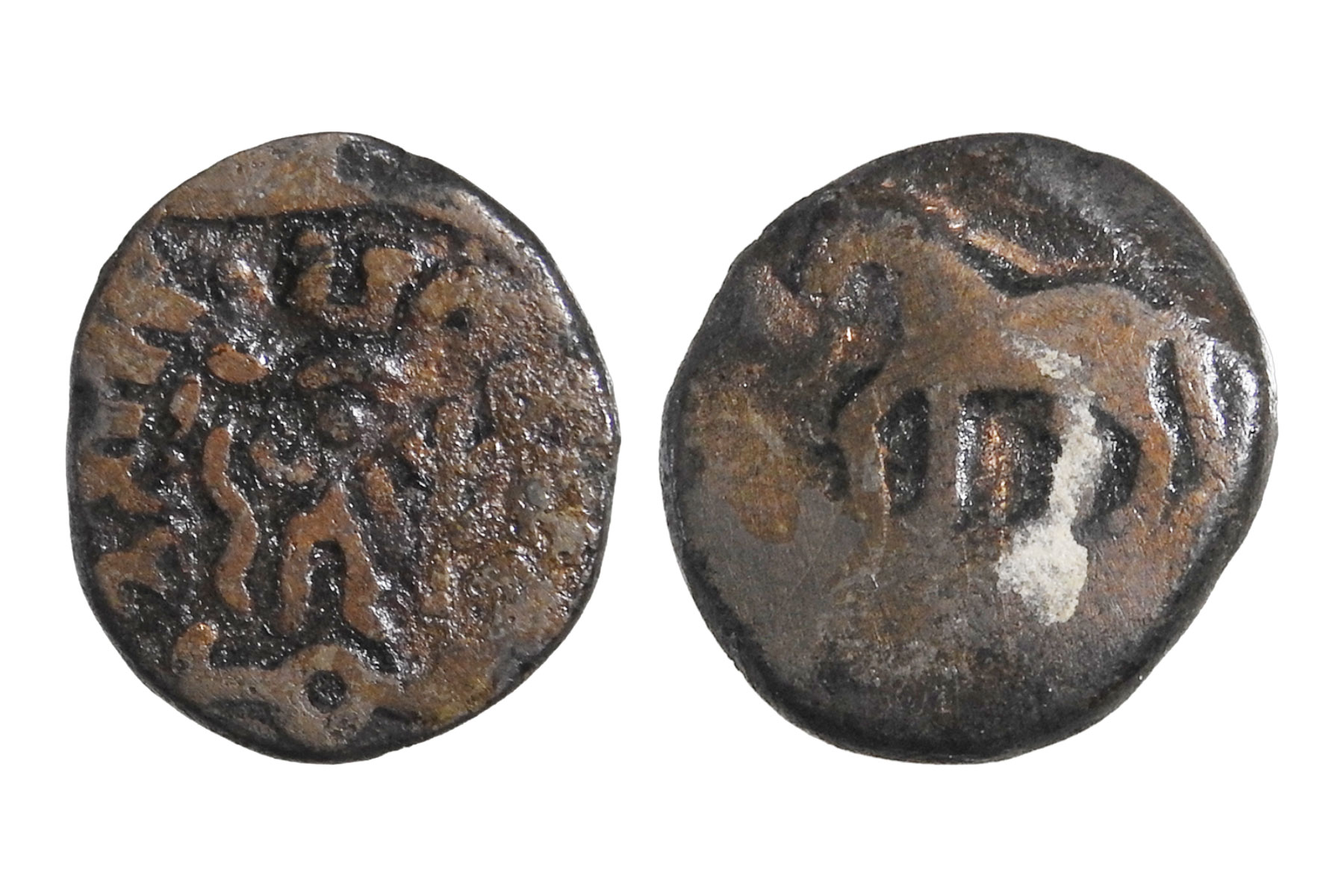
Lot No : 52
Auction No : 8
Shakas of Mathura, Hagamasa (c. 100CE), Copper Unit, 4.30grms, Obv: Standing Laksmi in the centre front facing, 'double-anchor-symbol' below, tree on right, wavy line on left Brahmi legend Khatapasa Hagamaşasa, Rev: Horse to left, pieper#1286, Very Fine and Very Rare in this condition. The Shakas of Mathura, of Scythian origin, established themselves in northern India following the decline of Indo-Greek power. Hagamasa, one of their early rulers, is remembered for consolidating control over Mathura and surrounding regions. The Shakas maintained their distinct identity while interacting with local traditions, gradually blending Scythian and Indian practices in governance and society. Their presence strengthened trade networks and helped stabilize the region politically, setting a foundation for later Indo-Scythian rulers. The rule of Hagamasa and his successors illustrates how foreign groups could integrate into Indian political landscapes while leaving a lasting mark
4500
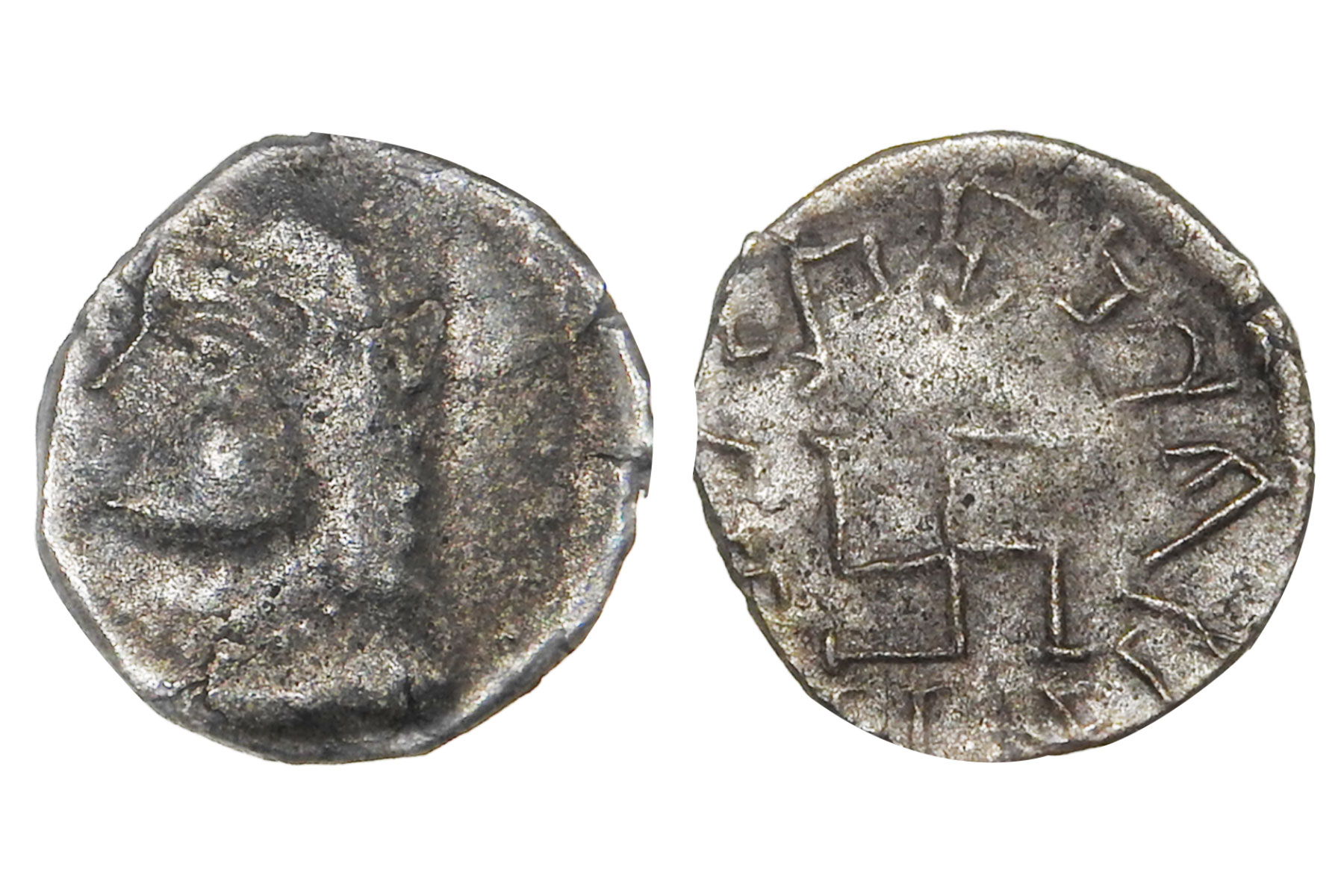
Lot No : 53
Auction No : 8
Paratharajas of Sindh & Baluchistan, Bhimarjuna (c. 325-350AD), Base Silver Drachm, 2.30grms, Obv. Diademed bust of king to left, wearing peaked tiara, dotted border around, Rev: Swastika turning right, Kharoșthī legend around: Bhimarjunasa Yolatakhmaputrasa Paratarajasa, Extra Fine+, Very Rare The Paratarajas were an Indo-Scythian or Iranian-origin dynasty that ruled parts of Sindh and Baluchistan in the early centuries CE, emerging as independent regional powers after the decline of larger empires like the Indo-Parthians. Bhimarjuna, one of their notable rulers, consolidated authority over his territories, maintained law and order, and secured them from external threats. He controlled key trade routes linking India with Central Asia and Iran, promoting commerce and cultural exchange. His administration strengthened governance and integrated the region into broader political and economic networks while preserving regional autonomy
4400
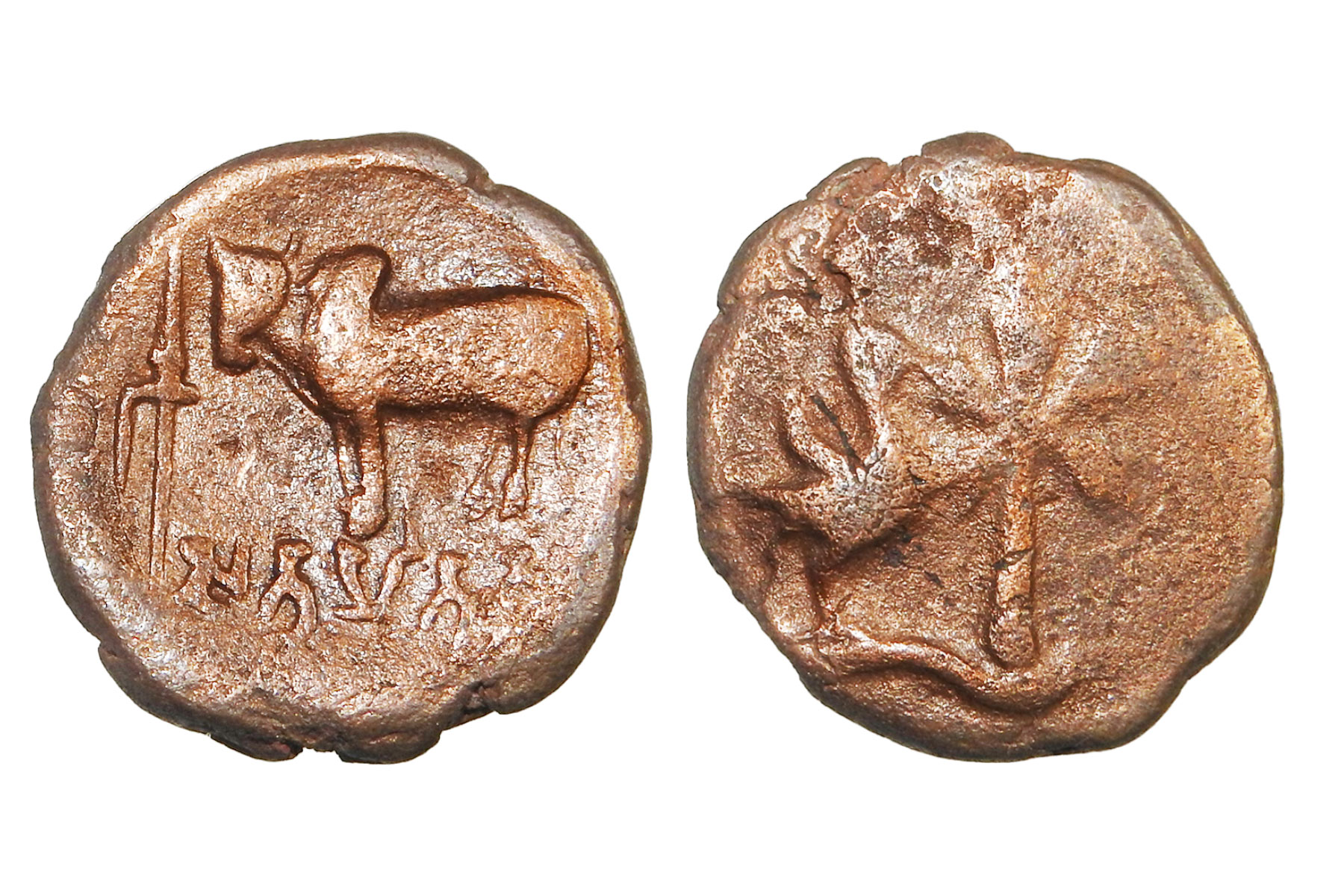
Lot No : 54
Auction No : 8
Ayodhiya City State, Satyamitra, (c. 250-300CE), Copper Unit, Obv: Bull to left, facing sacrifical post and Brāhmī legend satyamitrasa, Rev: Peacock to right with palm-tree on right, Pieper#1062, One of the best specimens to surface, Extra Fine condition, Very Rare Ruler.Ayodhya functioned as an independent city-state during the post-Mauryan period, navigating a landscape dominated by warfare and shifting regional powers. Satyamitra, its ruler, emerged as an assertive king who defended Ayodhya against external pressures from expanding dynasties such as the Shungas and rival local chiefs. His reign required active military engagement to protect territory and strategic alliances to counter imperial ambitions. Rather than remaining isolated, Satyamitra positioned Ayodhya as a resilient political and military actor, demonstrating how ancient urban centres survived through conflict, diplomacy, and calculated resistance in a fragmented north Indian world.
3900
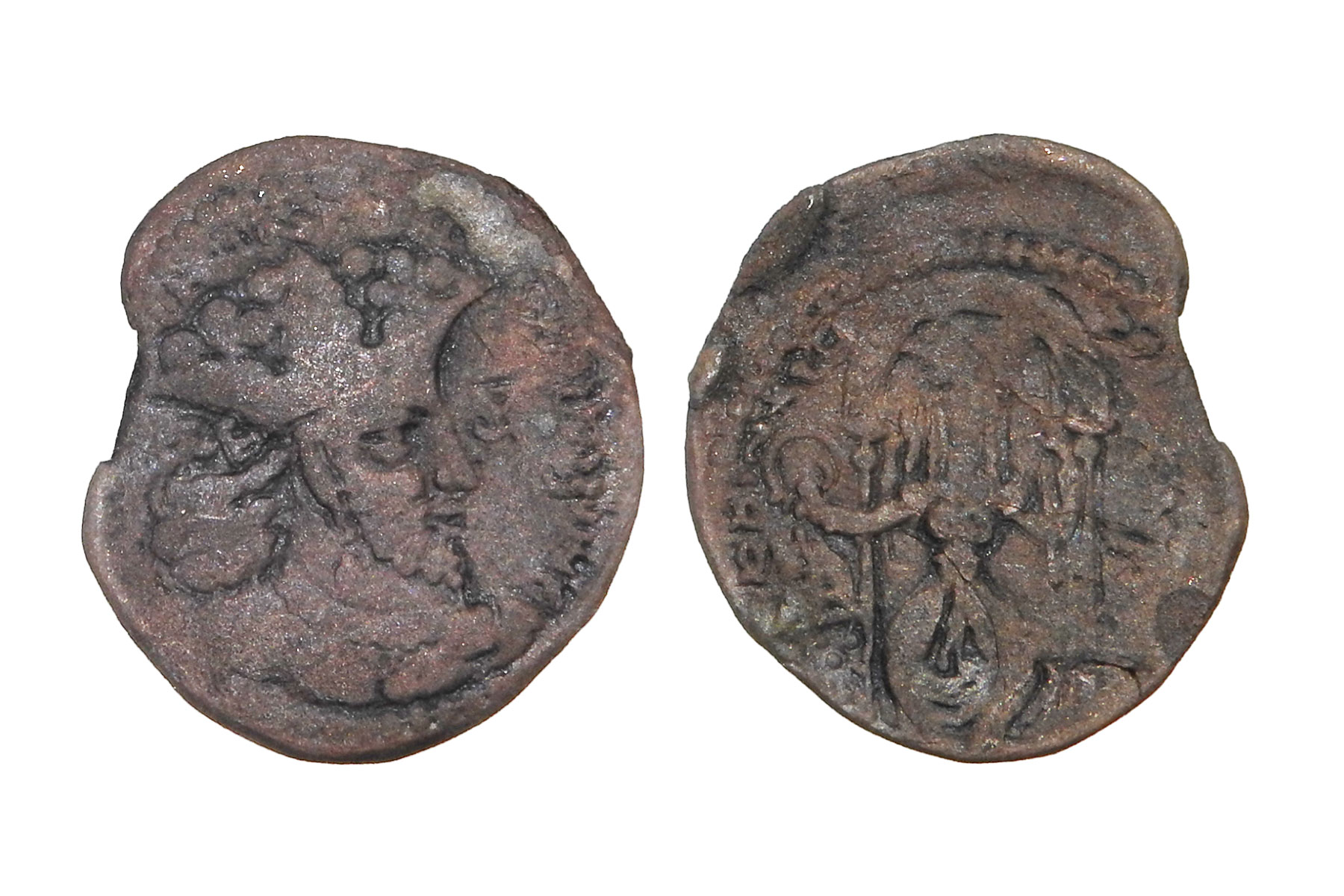
Lot No : 55
Auction No : 8
Kushano-Sasanian Kingdom, Ardashir I (c. 224-241CE), Copper Unit, 2.40grms, Anahita Type/ Bactrian Series, Obv: King's bust right in turreted crown, Pahlavi legend right, Rev: Anahita seated in niche offering wreath of -investiture with her right, spear in her left, Pieper#1949, Rare king and type. The Kushano-Sasanian Kingdom emerged as a frontier power after the Sasanians challenged Kushan dominance in the eastern Iranian world. Ardashir I, a Kushano-Sasanian ruler, established authority over regions of Bactria and north-western India, asserting Sasanian influence beyond Iran. His rule was shaped by military confrontation with residual Kushan forces and the need to secure contested borderlands. Through warfare and strategic control of key territories, Ardashir I reinforced Sasanian political expansion while adapting to local conditions. His reign marks the transition from Kushan supremacy to Sasanian-aligned rule in the eastern region
5100
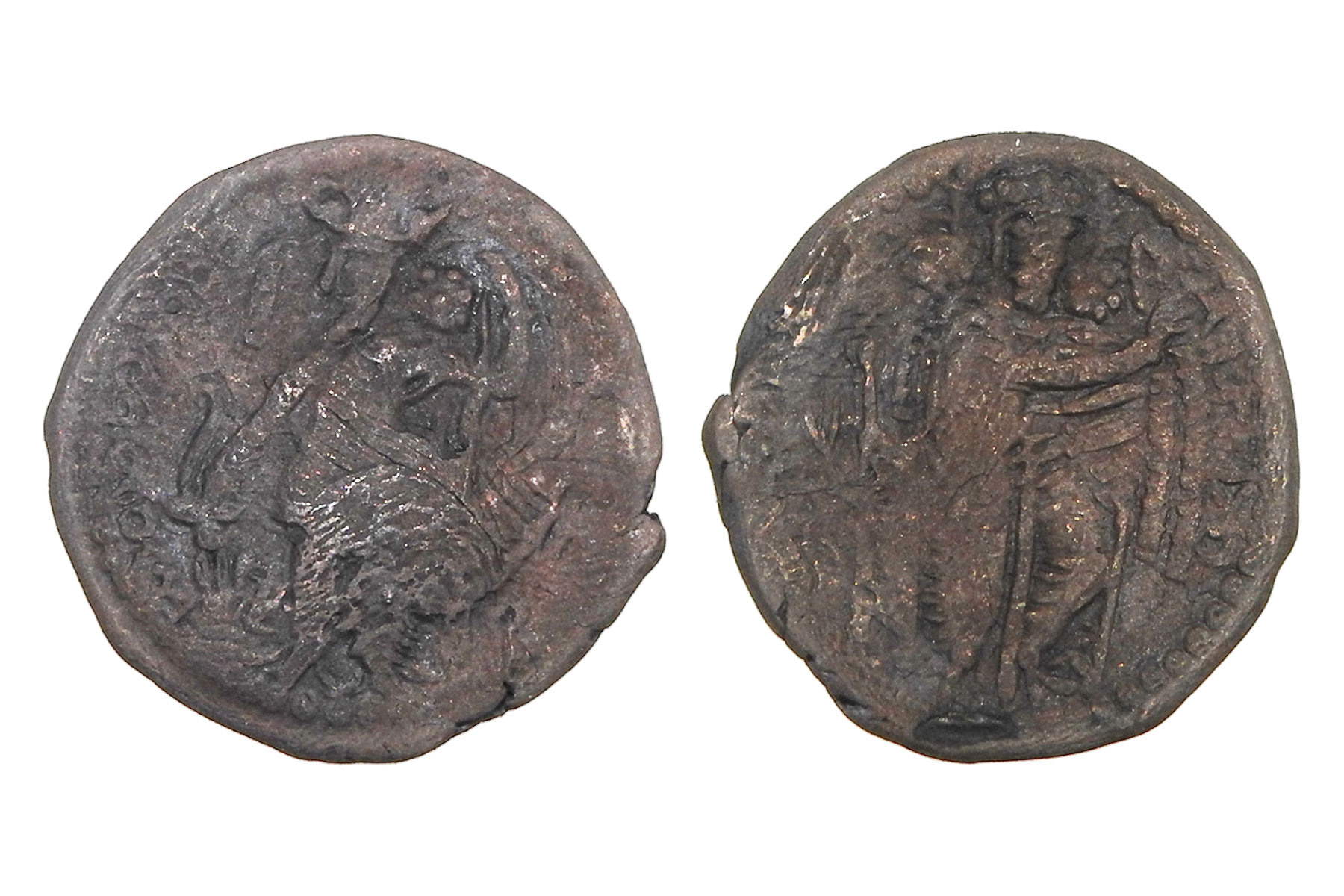
Lot No : 56
Auction No : 8
Kushano-Sasanian Kingdom, Ardashir I (c. 224-241CE), Copper Unit, 3.70grms, King/Seated Mithra Type/ Bactrian Series, Obv: King standing to left offering at altar, holding a ball-topped staff in his right, Rev: Enthroned Mithra identified by the legend (Lord Mithra) on right, tamgha-like symbol left, Pieper#1948, Very Rare type Mithra was a major deity in the Kushano-Sasanian realm, associated with the sun, oaths, contracts, and royal legitimacy. Adopted from Iranian religious tradition, Mithra symbolized divine sanction of kingship and justice. His worship reinforced authority, loyalty, and order across culturally mixed Kushano-Sasanian territories.
3300
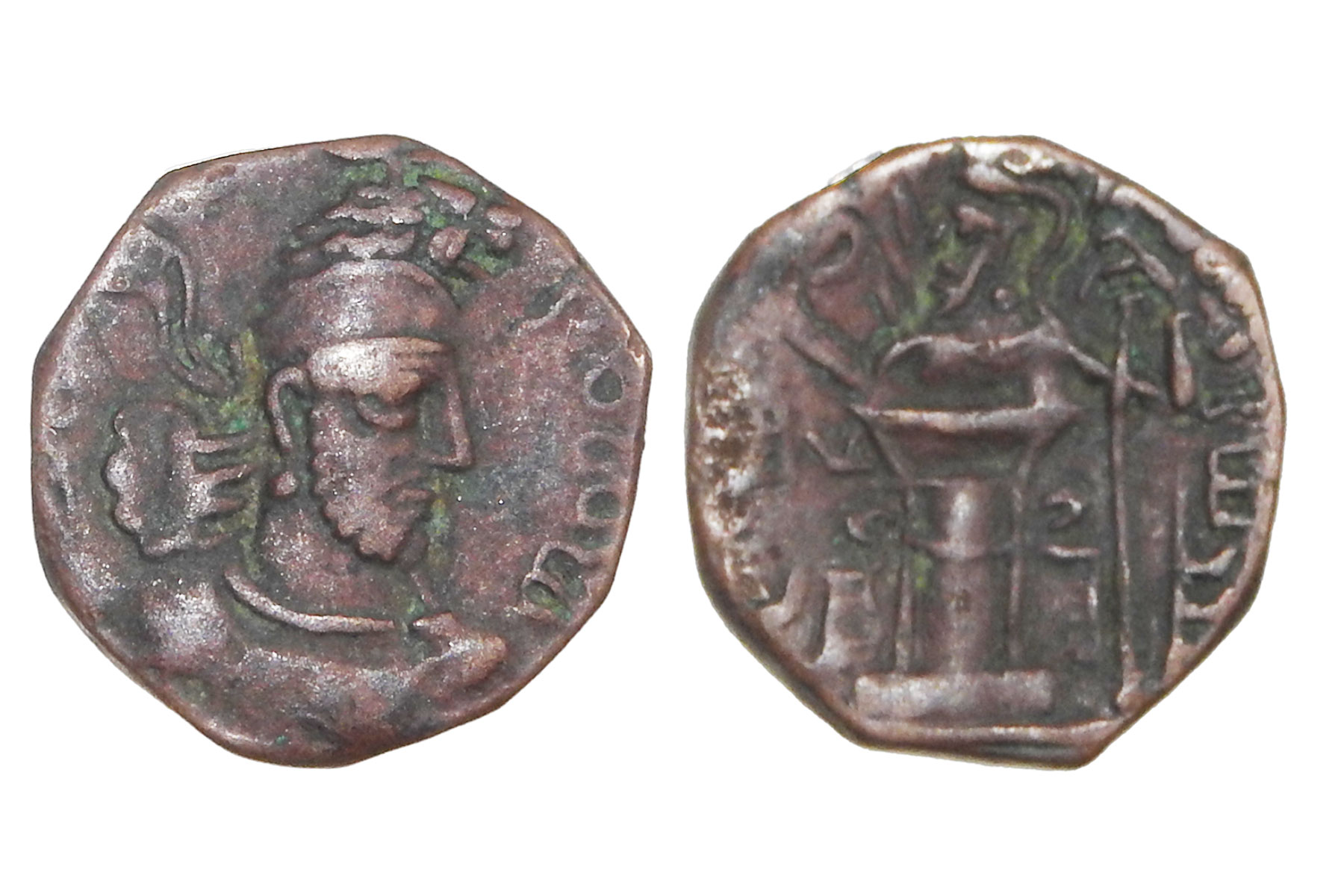
Lot No : 57
Auction No : 8
Kushano-Sasanian Kingdom, Hormizd I, Copper Unit, 2.00grms, Deity on Altar Type, Obv: Bust, lion-head crown with pahlavi legend on right, Rev: Head and flamed shoulders of male deity arising from decorated altar, sceptre in his left, beribboned wreath in right; the Pahlevi legend translates 'the exalted god', Pieper#1956 Extra Fine+, Very Scarce Hormizd I was a Kushano-Sasanian ruler who exercised firm military and administrative control over Bactria, Gandhara, Kabulistan, and adjoining north-western Indian border regions. He suppressed residual Kushan authority, secured volatile frontier zones, and enforced Sasanian supremacy. His reign strengthened imperial control over strategically vital eastern territories through decisive leadership and regional governance
5100
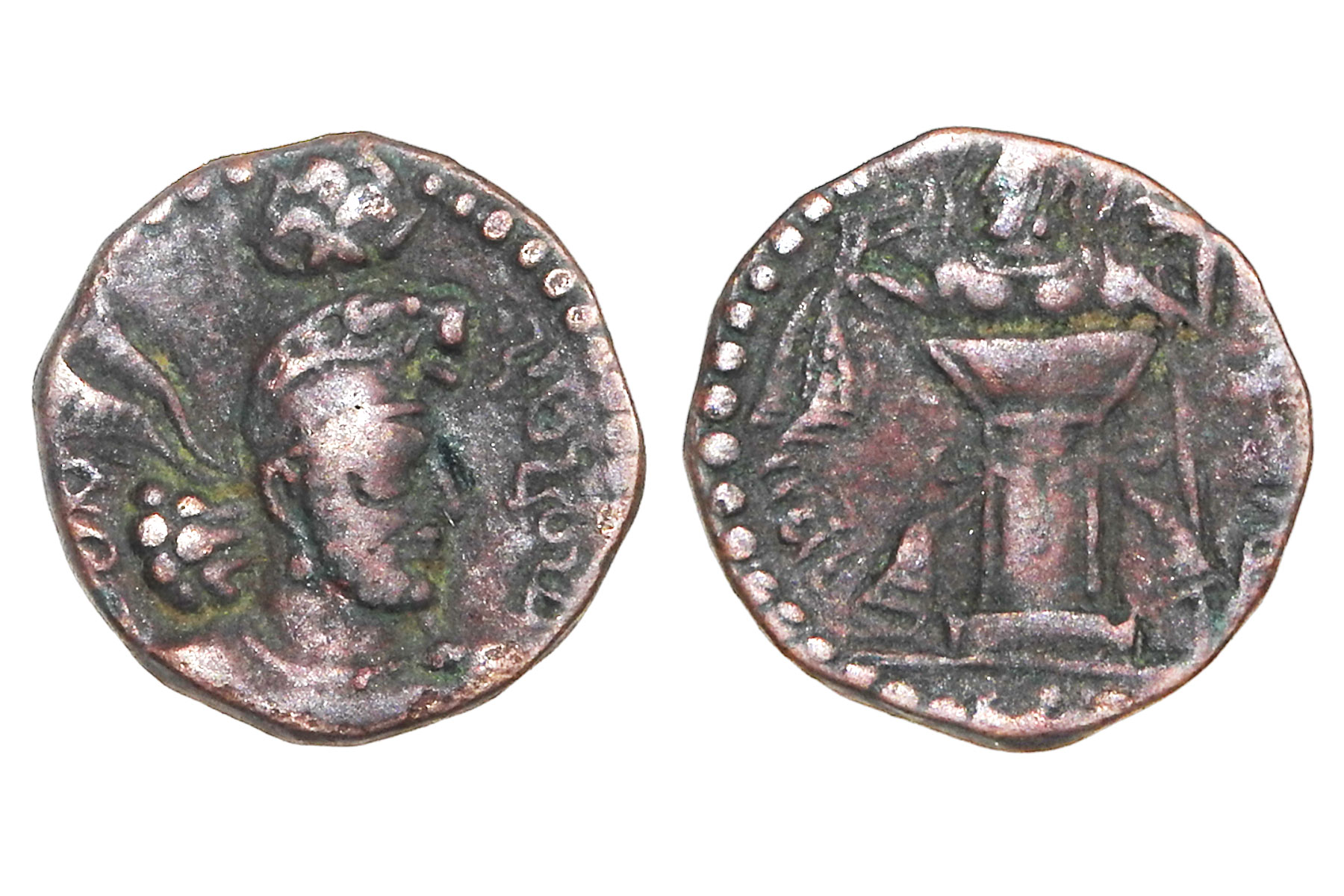
Lot No : 58
Auction No : 8
Kushano-Sasanian Kingdom, Hormizd I, Copper Unit, 2.20grms, Deity on Altar Type, Obv: Bust, lion-head crown with pahlavi legend on right, Rev: Head and flamed shoulders of male deity arising from decorated altar, sceptre in his left, beribboned wreath in right; the Pahlevi legend translates 'the exalted god', Pieper#1956 Extra Fine+, Very Scarce Hormizd I was a Kushano-Sasanian ruler who exercised firm military and administrative control over Bactria, Gandhara, Kabulistan, and adjoining north-western Indian border regions. He suppressed residual Kushan authority, secured volatile frontier zones, and enforced Sasanian supremacy. His reign strengthened imperial control over strategically vital eastern territories through decisive leadership and regional governance
3300
Lot No : 59
Auction No : 8
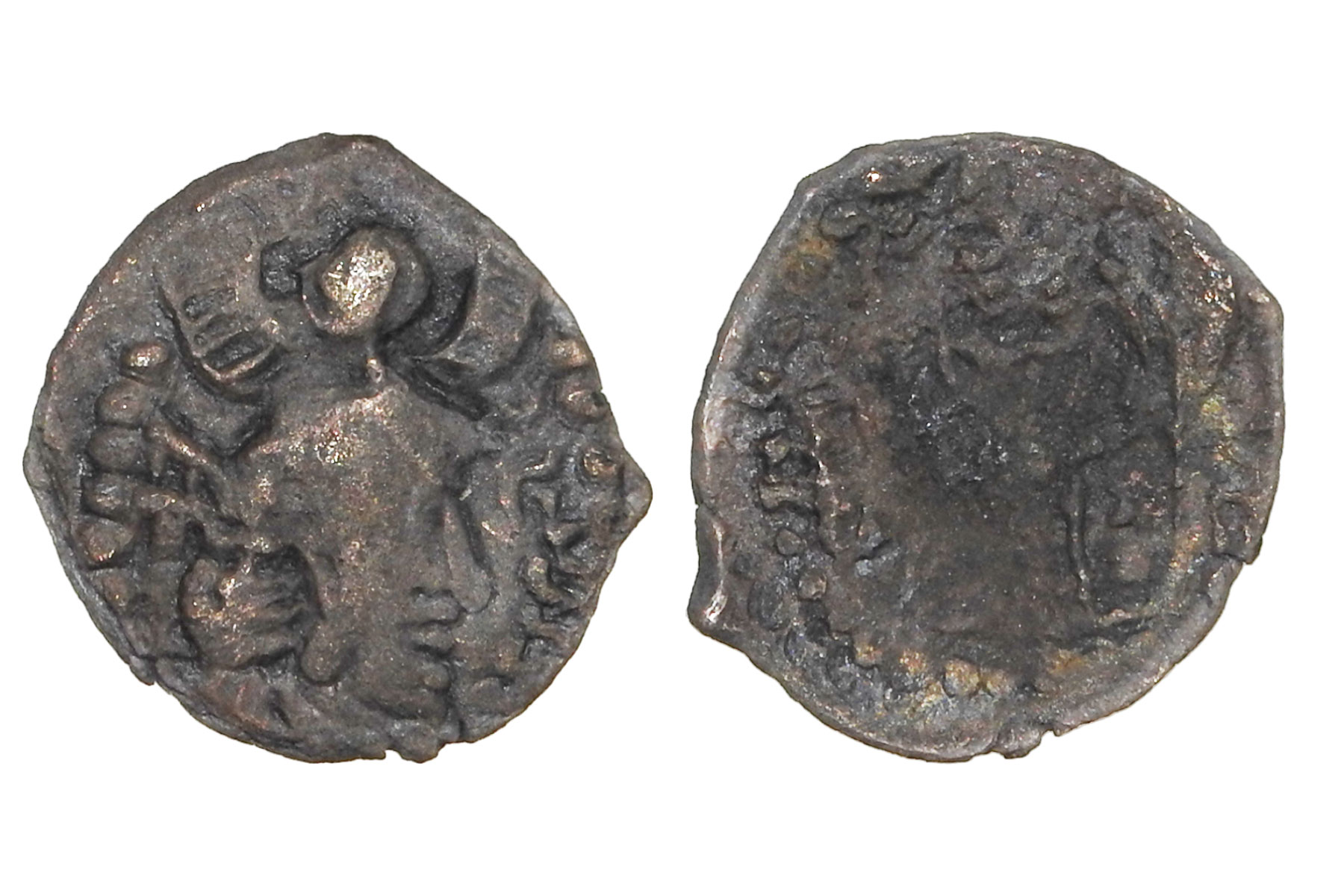
Kushano-Sasanian Kingdom, Peroz II, Copper Unit, 1.10 grms, Obv: Bust of king to right but crown with bull horn decorations and 'globe-artichocke' with legend on right, Rev: Male deity rising from altar. Pieper#1959, Extra Fine, Rare Peroz II faced direct conflict from residual Kushan dynasts in Bactria and Gandhara and growing pressure from Central Asian nomadic groups, including early Chionite–Hun elements, threatening eastern Sasanian control. His rule focused on defending territory rather than expansion. To counter these threats, he relied on alliances with local Indo-Iranian elites and regional chiefs who governed frontier districts. These alliances were pragmatic, aimed at military support and border stability against Kushan resurgence and nomadic incursions.
3000
Lot No : 60
Auction No : 8
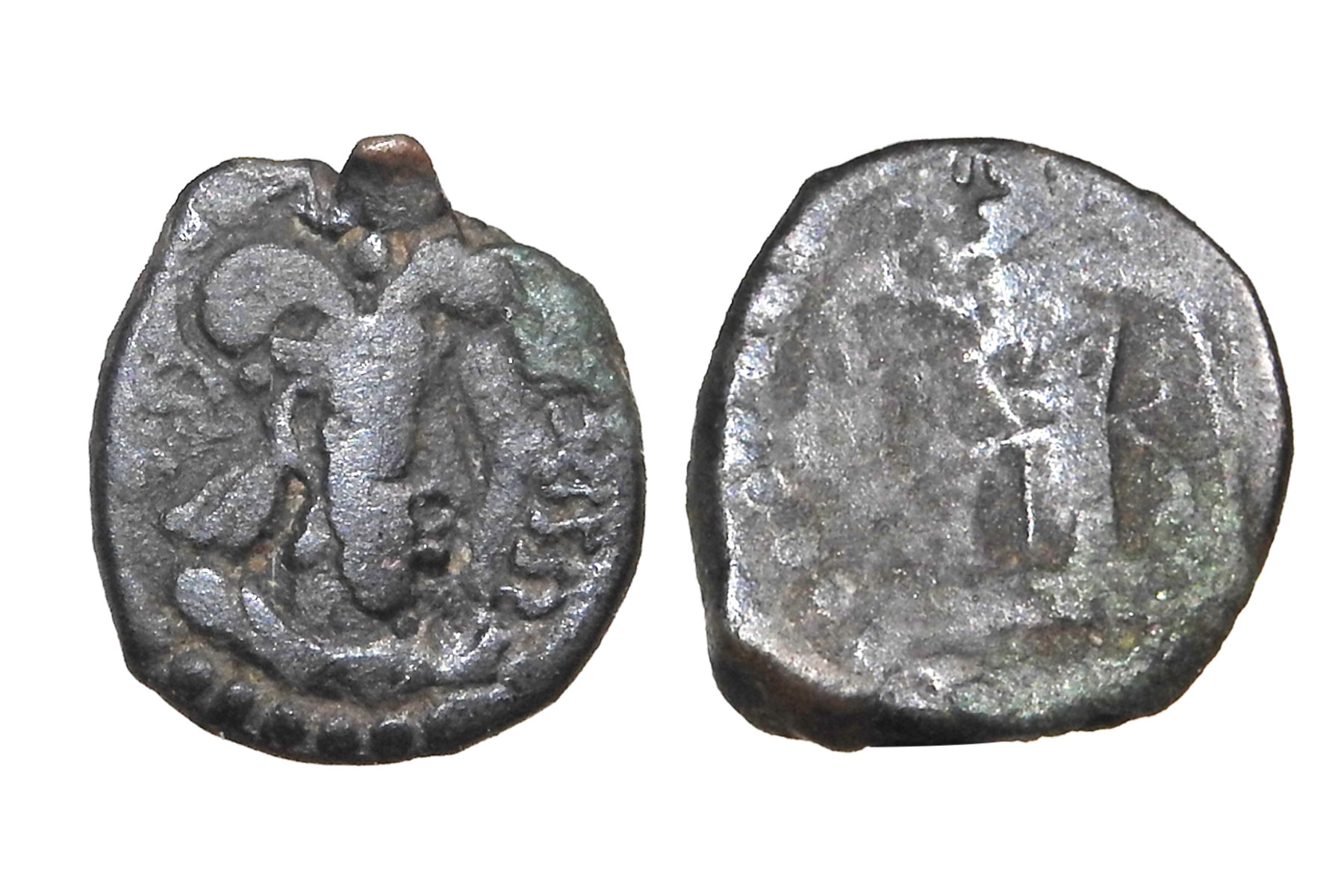
Kushano-Sasanian Kingdom, Varahana, Copper Unit, 1.30 grms, Obv: Bust of king to right in ram's horns crown with top decoration, Pahlevi legend, Rev: Deity rising from altar type, Very Fine+, Rare. Varahana ruled during escalating conflict on the eastern Sasanian frontier. He faced sustained pressure from the Kidarites, an advancing Hun group displacing Kushano-Sasanian authority in Bactria and Gandhara, alongside resistance from residual Kushan local rulers. His reign was dominated by defensive warfare against Kidarite expansion. To hold territory, he relied on alliances with local Indo-Iranian elites and frontier chiefs, seeking military cooperation to counter Hun advances and delay the collapse of Kushano-Sasanian
 WhatsApp