
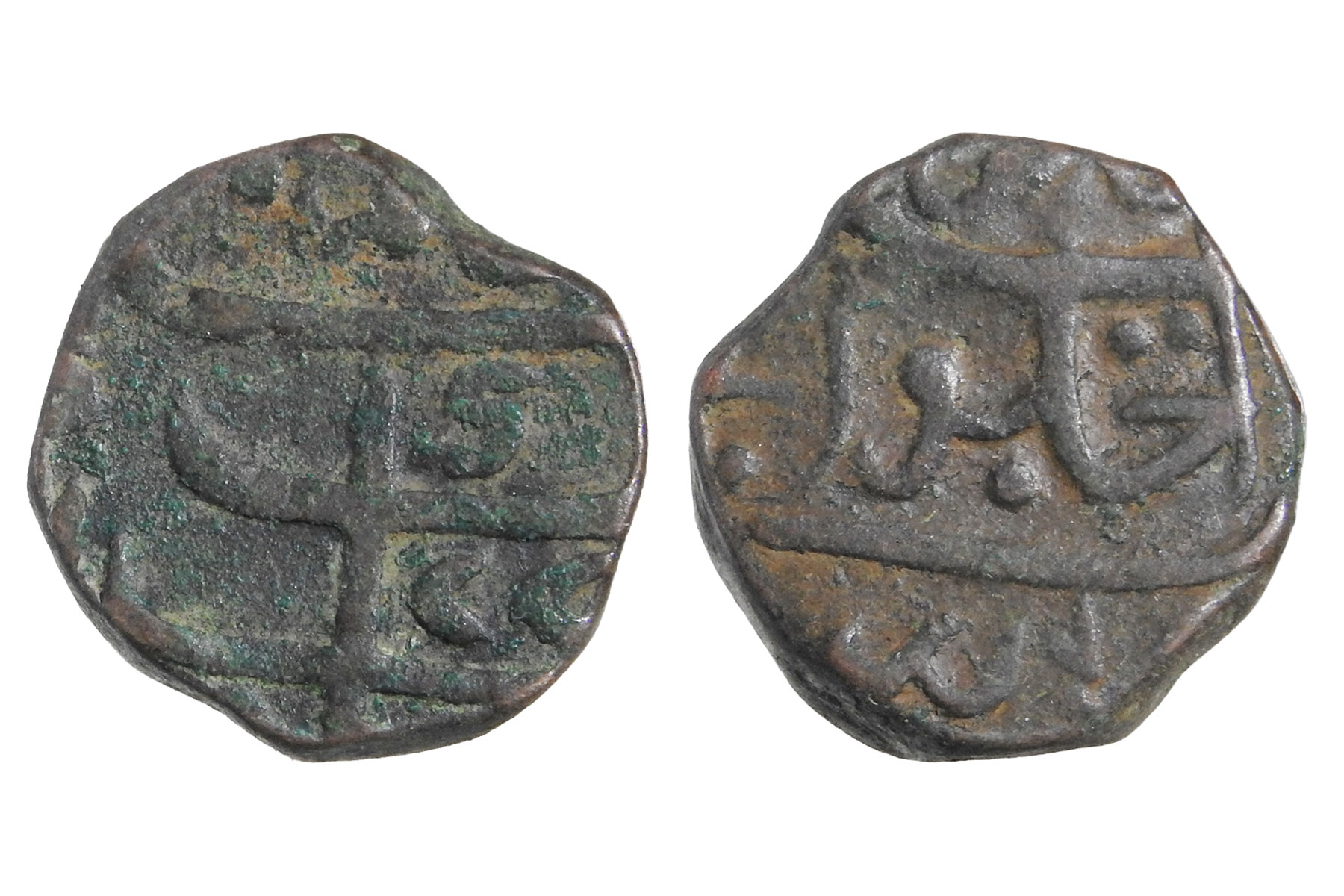
Lot No : 208
Auction No : 8
Mysore Kingdom, Haider Ali(c. 1761-1782CE), Copper Paisa, 12.70grms, AH1177, Issued in the name of Shah Alam II, Minted at Haidernagar, Extra Fine+, Rare Haider Ali rose to prominence in Mysore during the mid-18th century, initially serving as a military commander under Krishnaraja Wodeyar II. By the 1760s, he had become the de facto ruler of Mysore, consolidating military and administrative authority while sidelining the Wodeyars. Initially, his coins were issued in the name of Mughal rulers, reflecting both traditional legitimacy and recognition of the Mughal emperor as the nominal sovereign of India. The Haidernagar mint, later under his direct authority, produced copper and silver coins for local circulation, supporting revenue collection, trade, and his expanding military campaigns
4600
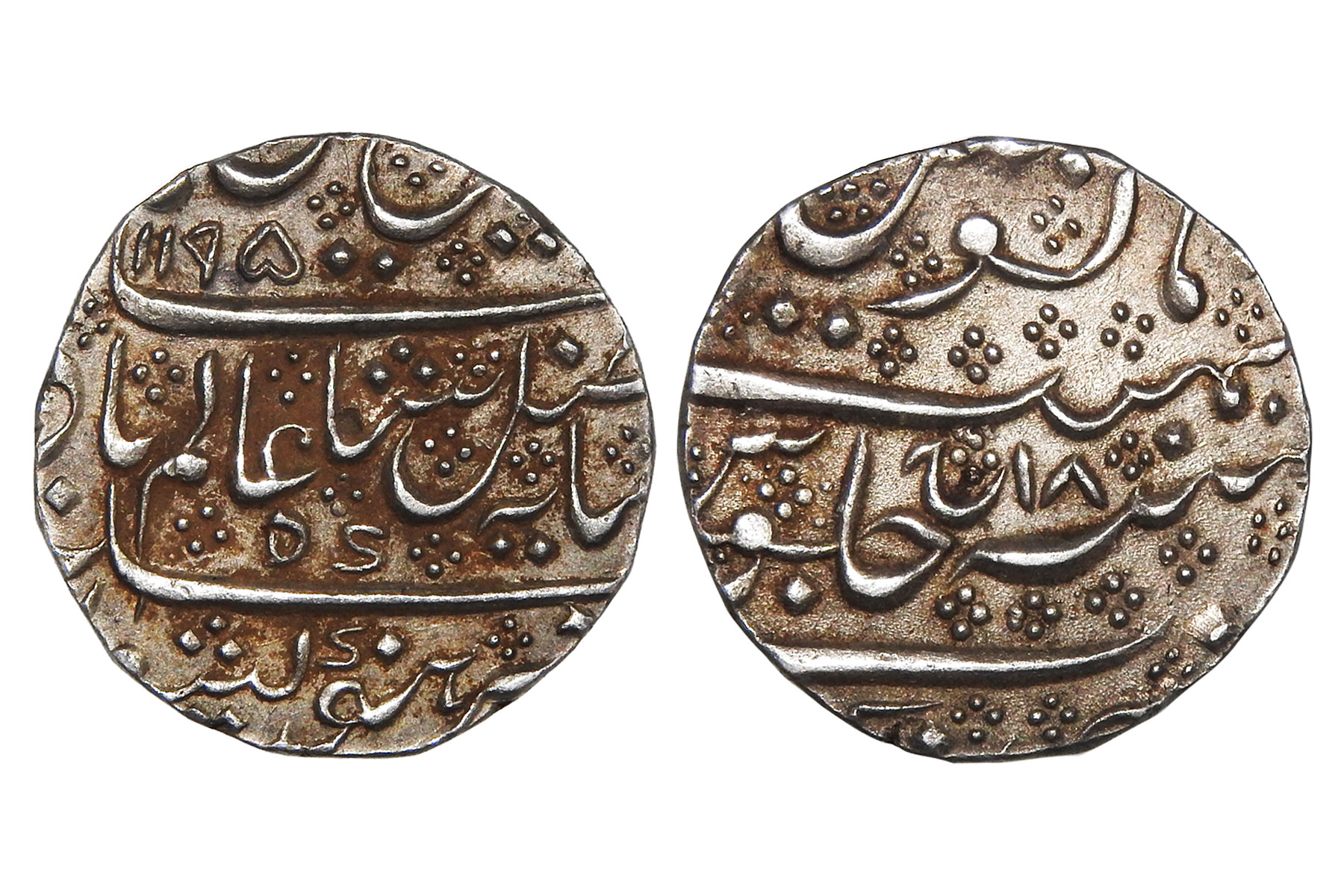
Lot No : 209
Auction No : 8
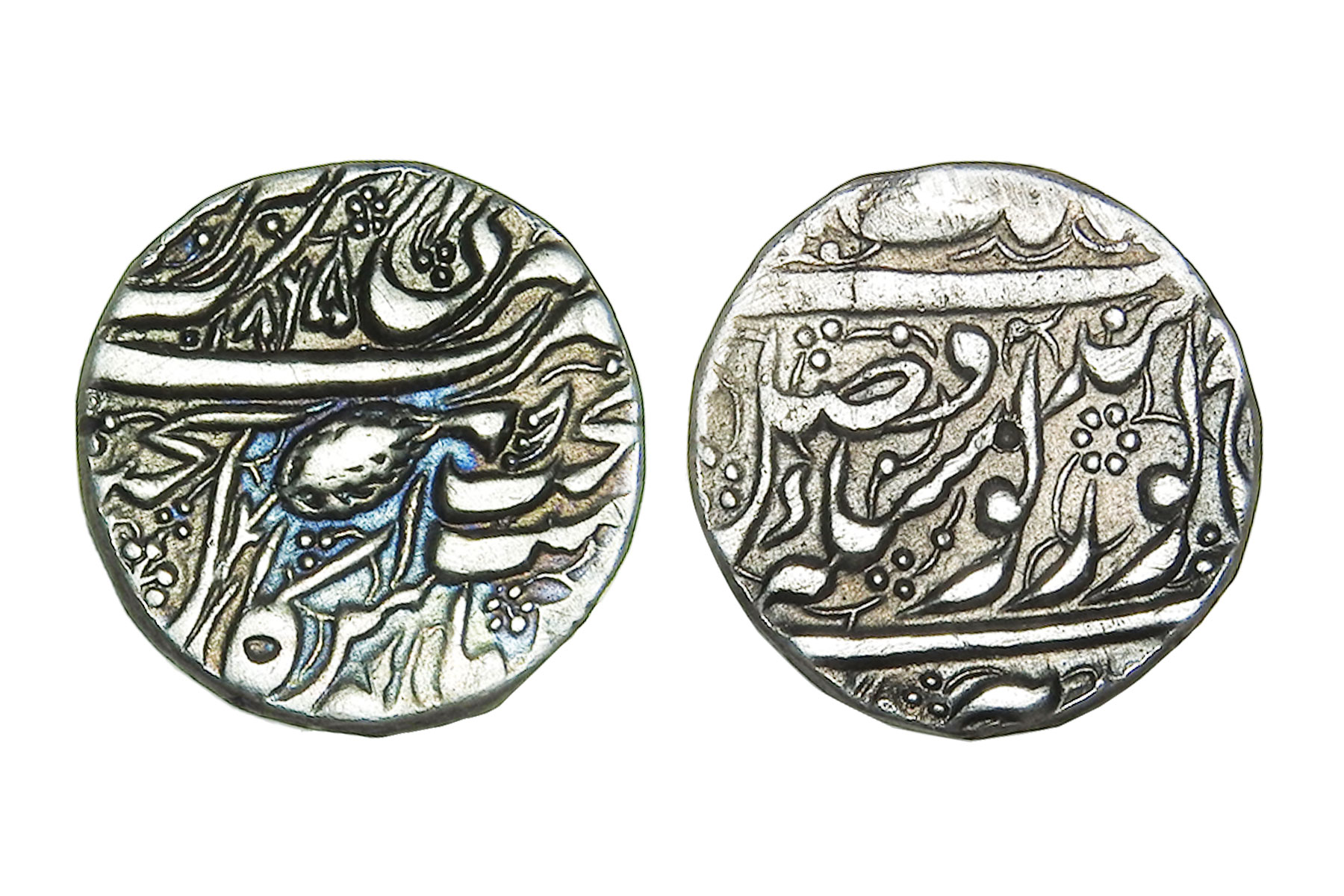
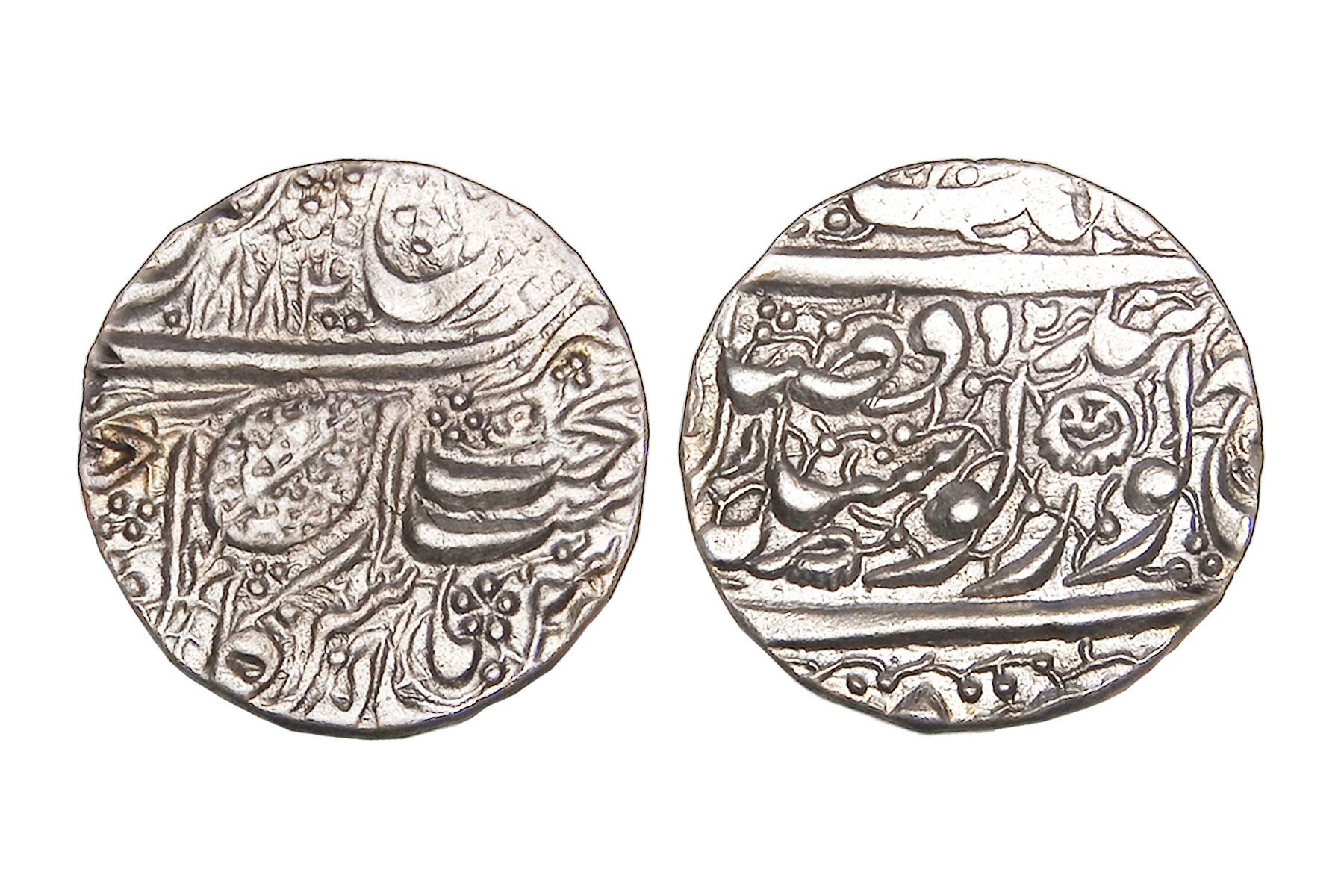
Mysore Kingdom, Haider Ali(c. 1761-1782CE), Silver Rupee, 11.20grms, AH1195/RY18, Issued in the name of Mughal King- Shah Alam II, Minted at Haidernagar, A deeply struck, exceptionally fine specimen, likely the finest to appear at auction. Features a fully legible date, with natural mud residue on both sides, The crisp, sharp strike and remarkable preservation make it a must-have treasure for discerning collectors, Almost Uncirculated condition, Very Rare and Unlisted year and reginal year. In AH 1195 (1781 CE), Haider Ali was the de facto ruler of the Kingdom of Mysore, having taken real power from the Wadiyar monarchy and transformed Mysore into a major regional power. He built a modern army with European‑style training and artillery and engaged in the Second Anglo‑Mysore War against the British East India Company. During this year, Mysore forces initially defeated British detachments and captured Arcot, greatly challenging Company authority in southern India. However, the arrival of British commander Sir Eyre Coote shifted fortunes; Mysore suffered defeats at key battles such as Porto Novo and later Sholinghur, weakening Haider’s position in the Carnatic. The conflict reflected Haider’s aggressive territorial policies and resistance to British expansion, marking 1781 as a pivotal year in the struggle for control of southern India.
430000
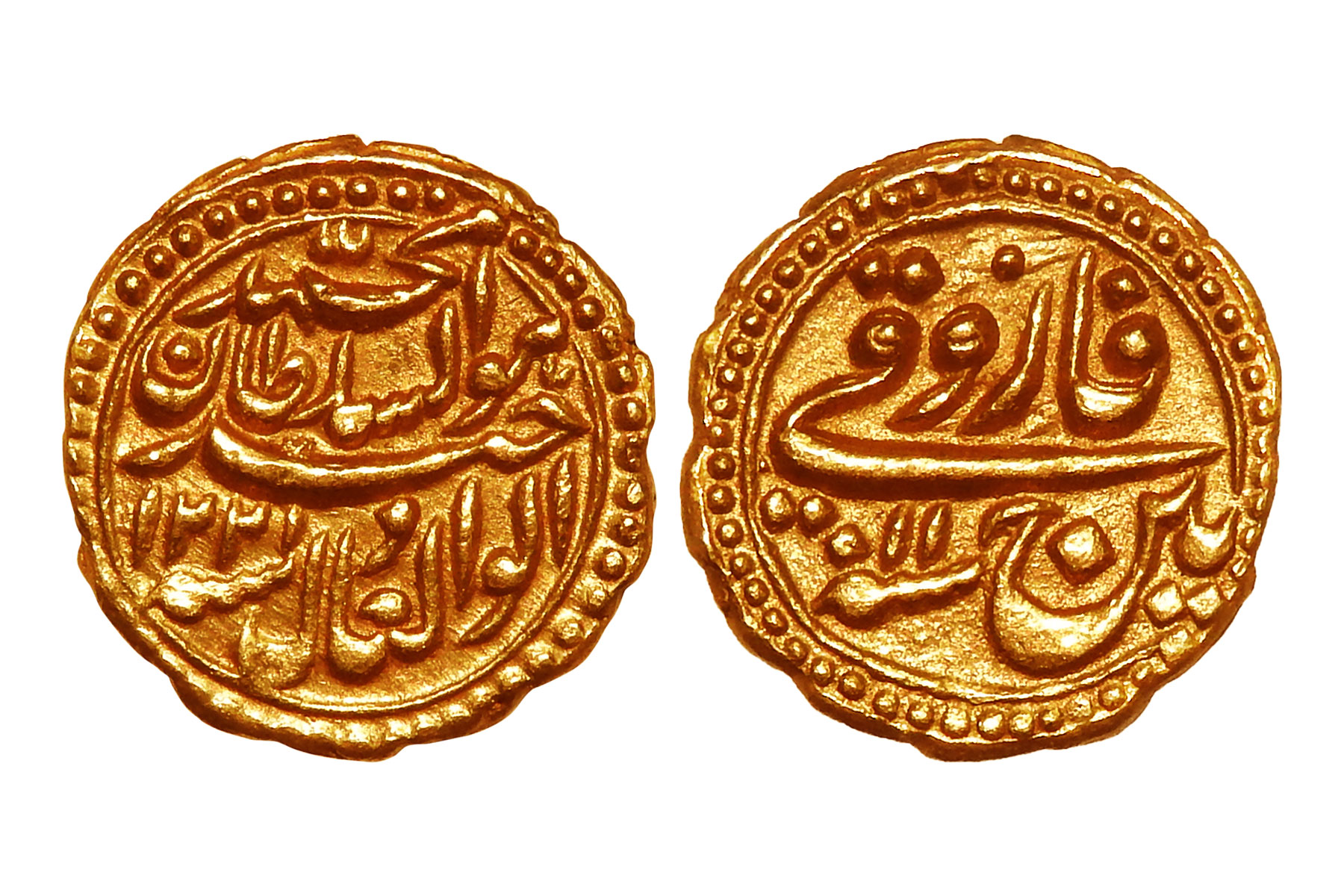
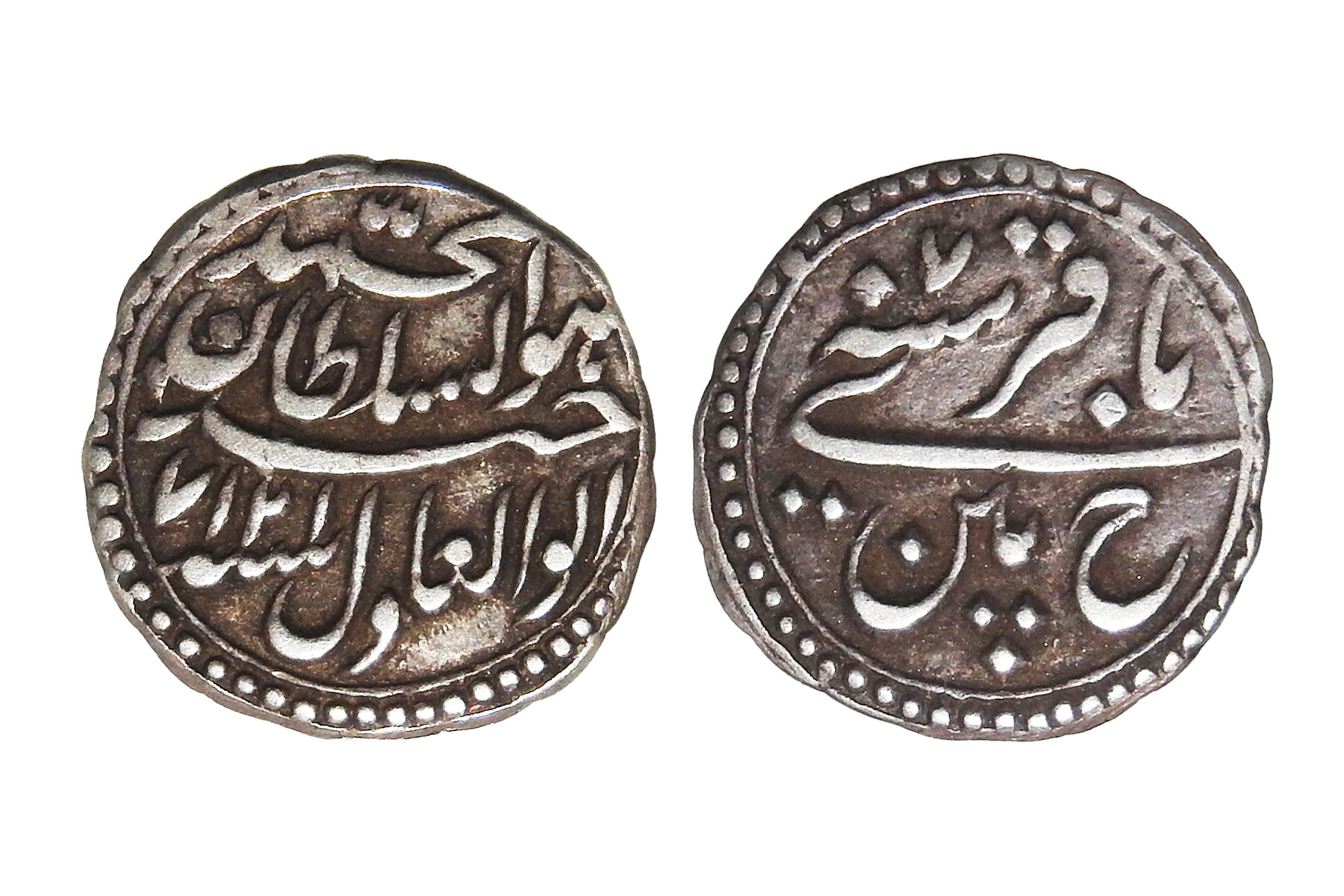
Lot No : 211
Auction No : 8
Mysore Kingdom, Tipu Sultan(c. 1787-1799CE), 1/4 Rupee, 2.80grms, AM1217/RY07, Minted at Pattan, Obv. Persian legend reads “Muhammad Hu Sultan al Waheed, Abu al Adil, AM date” – translating to “Muhammad is Sultan, the unique, the just, AM 1217”. Rev. Persian legend reads “Baqiri, Sanah (RY), zarb Patan, ‘He’” – indicating this is a Baqiri ¼ rupee, minted at Patan, in Regnal Year 7, with “He” referring to Hyder Ali, father of Tipu Sultan. Extra Fine+, Rare.
76000
Lot No : 214
Auction No : 8
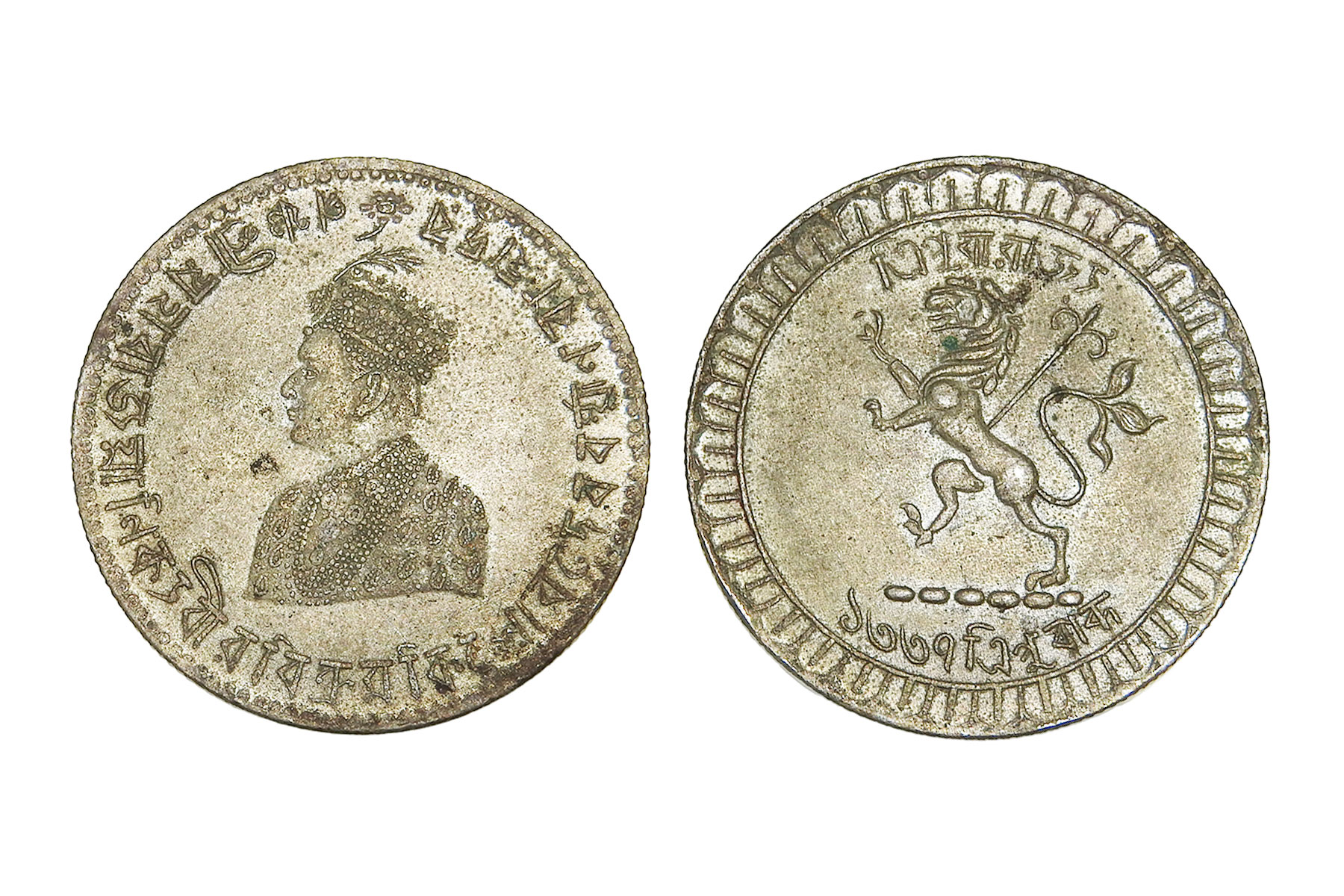
Tripura Kingdom, Vir Vikrama Kishore Manikya Deva (c. 1923-1947 CE), Silver Rupee, 11.45grms, obv. Bust of the King facing left with Bengali legend around, Rev. lion rampant to left with date TE 1337 (1930 AD), Gem Uncirculated, Extremely Rare in this grade. During Vir Vikrama Kishore Manikya Deva reign, Tripura was largely under British suzerainty, which meant the kingdom was mostly protected from external invasions. Consequently, there were no major wars or internal civil wars recorded. The main political activity involved maintaining loyalty to the British East India Company / British Crown after 1858. Alliances were therefore primarily political and administrative, ensuring Tripura’s autonomy under British oversight. Any military action was limited to local policing or small frontier skirmishes, rather than large-scale battles
 WhatsApp