
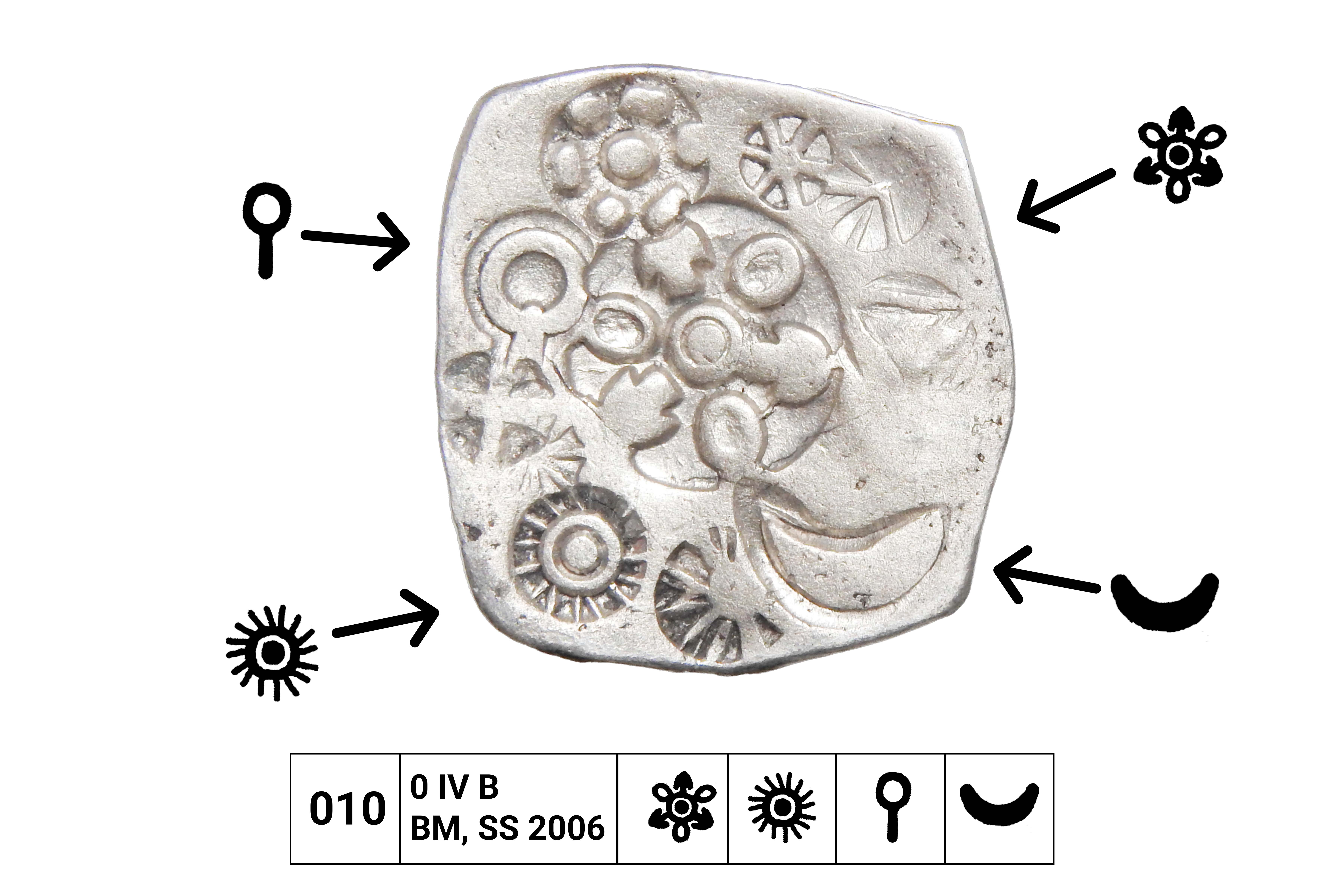
Lot No : 1
Auction No : 8
Magadha Janapadha, Bimbisara (c.558-491 BC), Heavy Silver Karshapana, 5.40 grms, 4 main symbols- 1x 6 Armed Symbol, 1x Sun, 1x Crescent Moon, 1x Vertical pole supporting Bud shape, many interesting countermarks which suggests that the coin was heavily in trade, Gupta and Hardaker Series '0', Type #010, Bold and deeply struck symbols, thick flan, Very Rare Bimbisara was an influential king of Magadha who was the founder of the Haryanka dynasty, known for diplomacy, territorial expansion, and patronage of Buddhism and Jainism, closely associated with Gautama Buddha and Mahavira.
22000
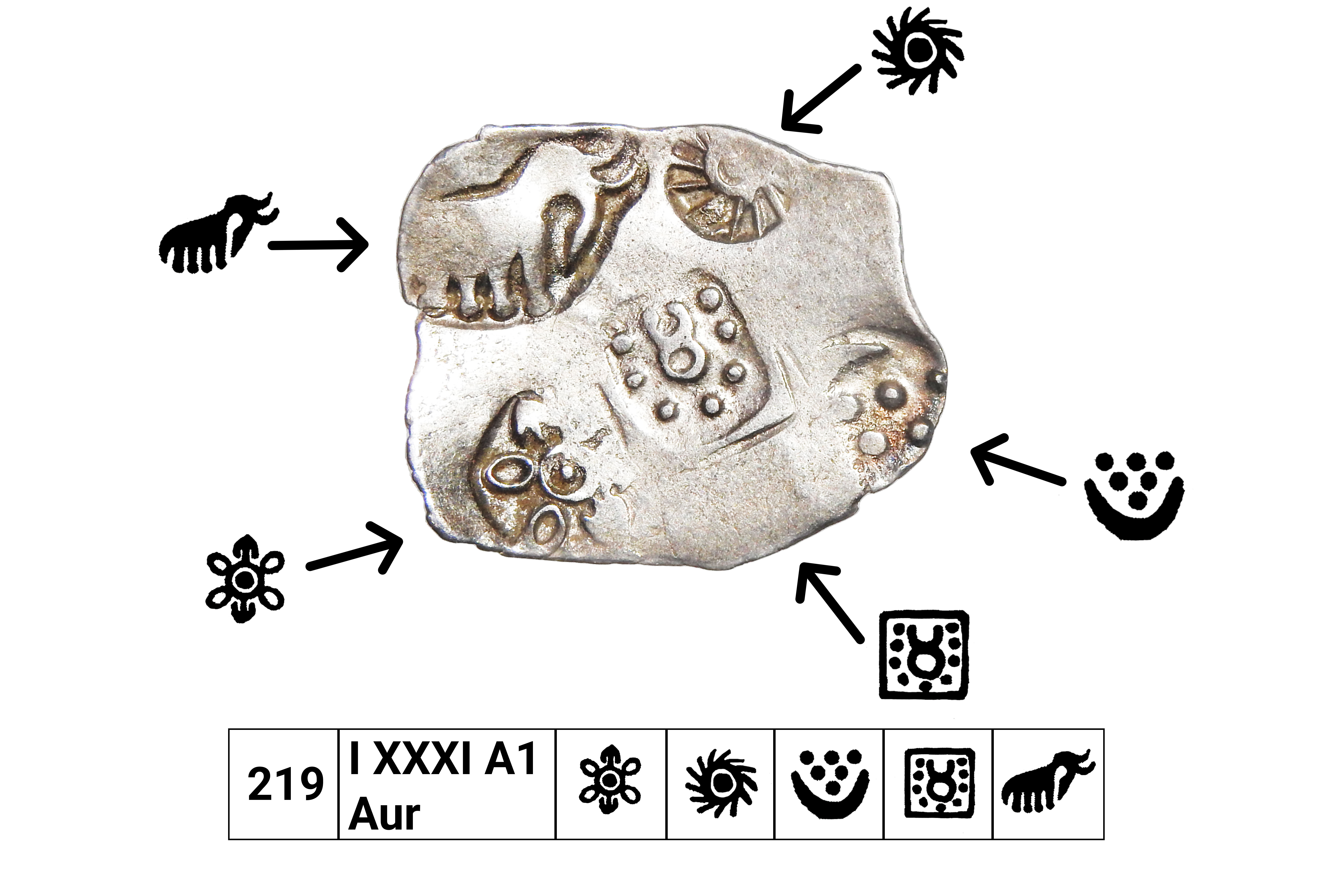
Lot No : 2
Auction No : 8
Magadha Janapadha, Ajatashatru (c.492-460 BC), Silver Karshapana, 3.40 grms, 5 main symbols- 1x 6 Armed Symbol, 1x Sun, 1x 6 dots within a Crescent Moon, 1x Dotted Taurus symbol within a square box, 1x Elephant facing right looking upwards, Gupta and Hardaker Series 'I', Type #219(1), Bold and deeply struck symbols, Thin Flan, Extra Fine+, Very Rare. Ajatashatru was a powerful ruler of the Magadha Empire, and the son of King Bimbisara. He is known for overthrowing his father to seize the throne and for aggressively expanding Magadha through warfare and fortifications. Ajatashatru fought major wars against the Vrijji confederacy and Kosala, strengthened Rajagriha, and later became a supporter of Buddhism, playing a key role after the Buddha’s death.
9000
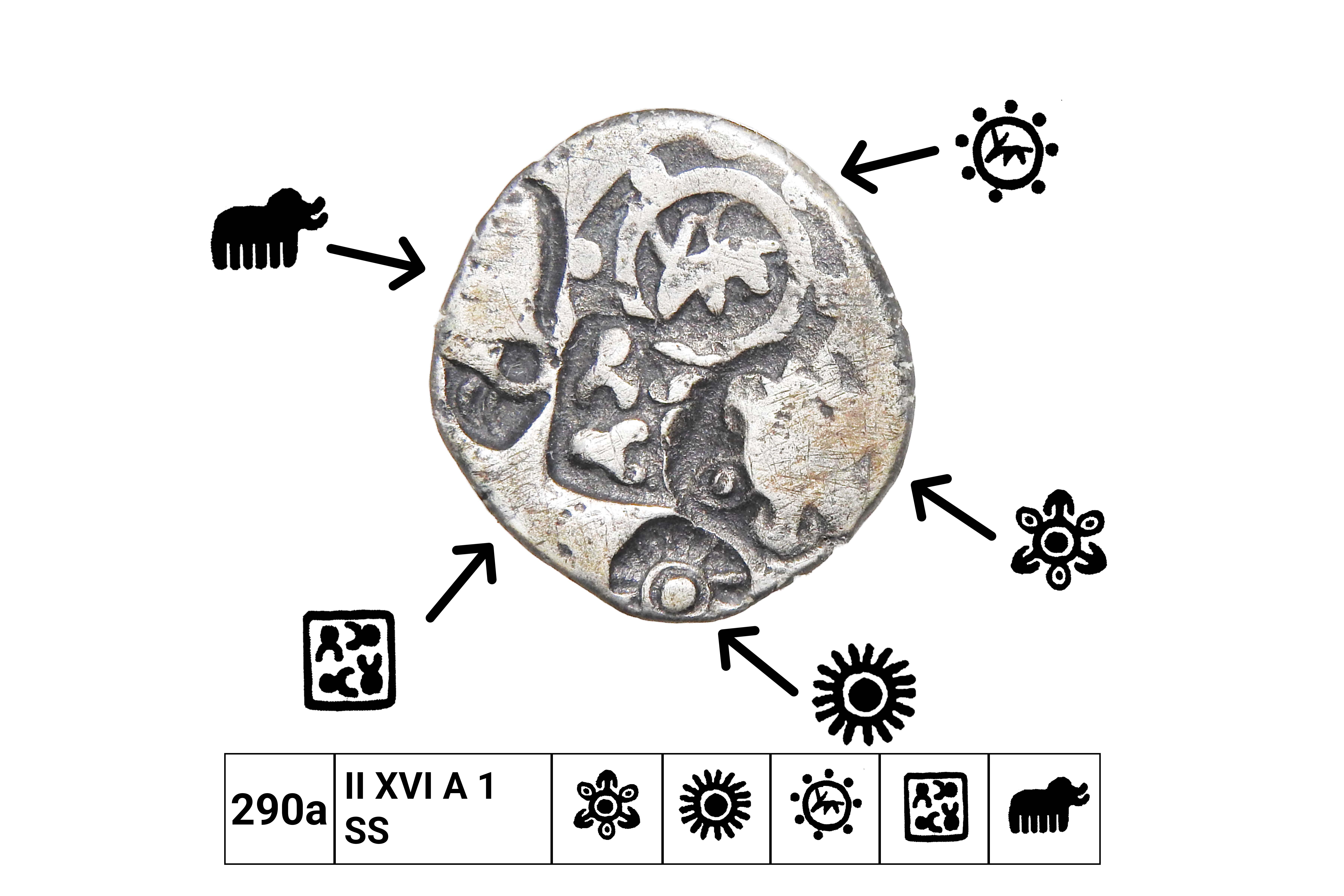
Lot No : 3
Auction No : 8
Magadha Janapadha, Nanda Dynasty (c.345-321 BC), Silver Karshapana, 3.40 grms, 5 main symbols- 1x 6 Armed Symbol, 1x Sun, 1x Dog/Rabbit within a circle, 1x 4 Taurus symbol facing 4 directions within a square box, 1x Elephant facing right, Gupta and Hardaker Series 'II', Type #290(A), Series II is considered to be the rarest amoung all the coins classified by gupta & hardakar, Vary Fine+, Very Rare. The Nanda dynasty represented a decisive phase of political centralization in ancient India. Founded by Mahapadma Nanda, the dynasty greatly expanded Magadha’s dominance across northern India. The Nandas were famous for their immense wealth, rigorous taxation system, and a massive standing army. Their rule is often portrayed in ancient sources as powerful yet unpopular due to heavy fiscal demands and autocratic governance, which eventually led to the dynasty’s downfall.
1500
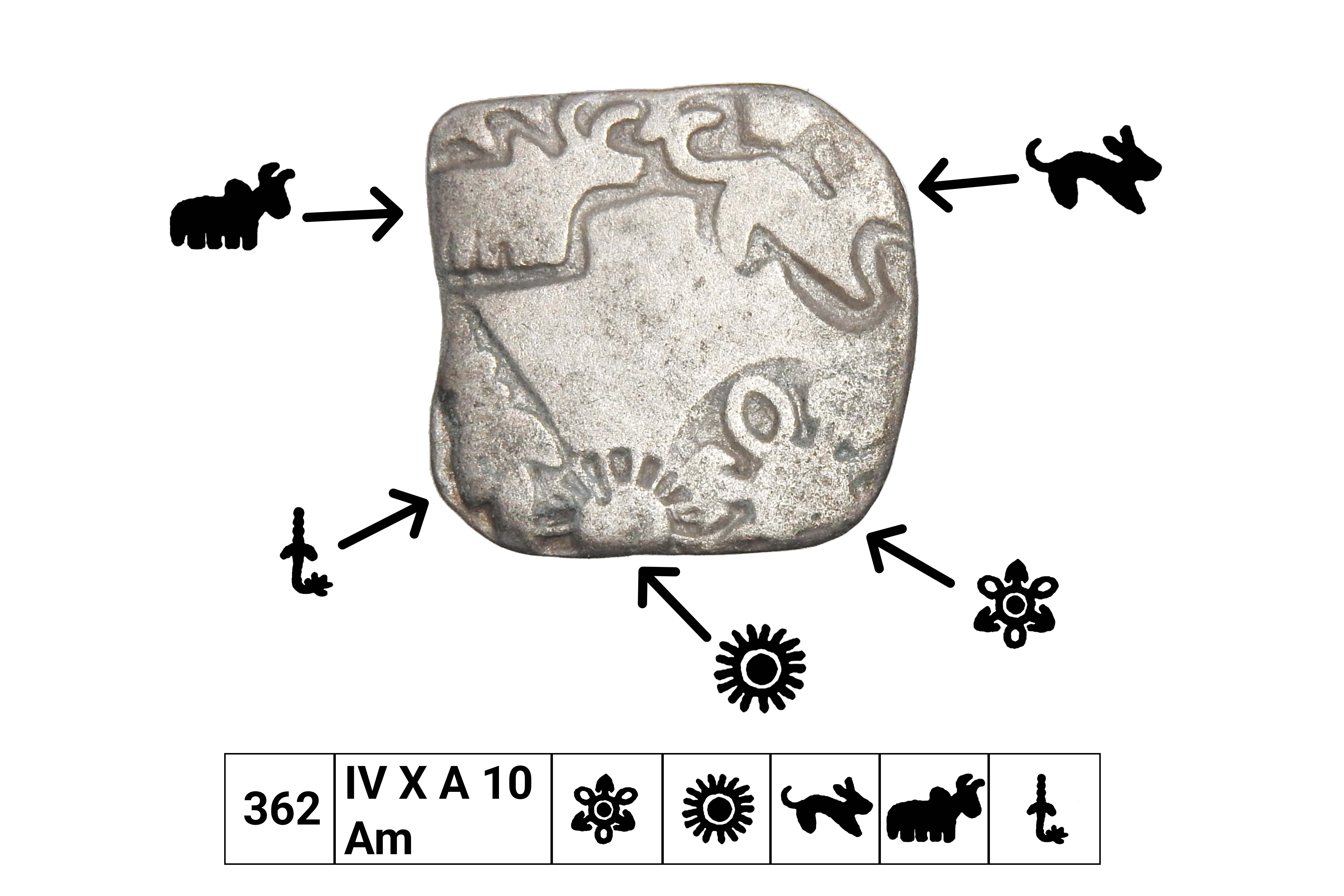
Lot No : 4
Auction No : 8
Magadha Janapadha, Nanda Dynasty (c.345-321 BC), Silver Karshapana, 2.30 grms, 5 main symbols- 1x 6 Armed Symbol, 1x Sun, 1x Dog/Rabbit facing right, 1x Bull facing right, 1x Plant with root, Gupta and Hardaker Series 'IVB'Type #362, Very Fine+, Rare Type. The Nanda dynasty represented a decisive phase of political centralization in ancient India. Founded by Mahapadma Nanda, the dynasty greatly expanded Magadha’s dominance across northern India. The Nandas were famous for their immense wealth, rigorous taxation system, and a massive standing army. Their rule is often portrayed in ancient sources as powerful yet unpopular due to heavy fiscal demands and autocratic governance, which eventually led to the dynasty’s downfall.
1300
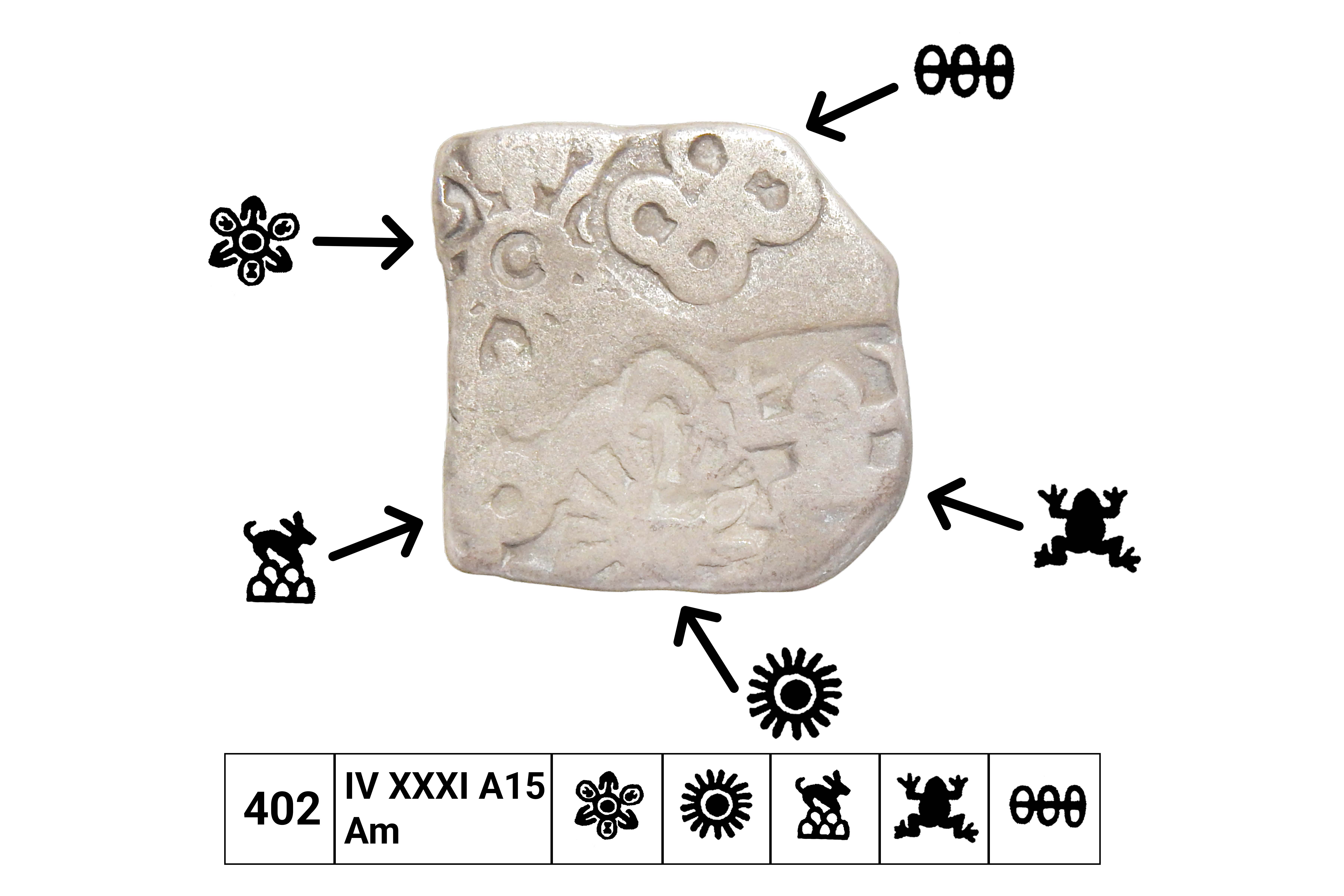
Lot No : 5
Auction No : 8
Magadha Janapadha, Nanda Dynasty (c.345-321 BC), Silver Karshapana, 2.80 grms, 5 main symbols- 1x 6 Armed Symbol, 1x Sun, 1x Dog/Rabbit standing on 5 arched hill, 1x Frog, 1x 3 ovals in a row bisected by a central line, Gupta and Hardaker Series 'IVD'Type #402, Very Fine+, Rare Type. The Nanda dynasty represented a decisive phase of political centralization in ancient India. Founded by Mahapadma Nanda, the dynasty greatly expanded Magadha’s dominance across northern India. The Nandas were famous for their immense wealth, rigorous taxation system, and a massive standing army. Their rule is often portrayed in ancient sources as powerful yet unpopular due to heavy fiscal demands and autocratic governance, which eventually led to the dynasty’s downfall
1300
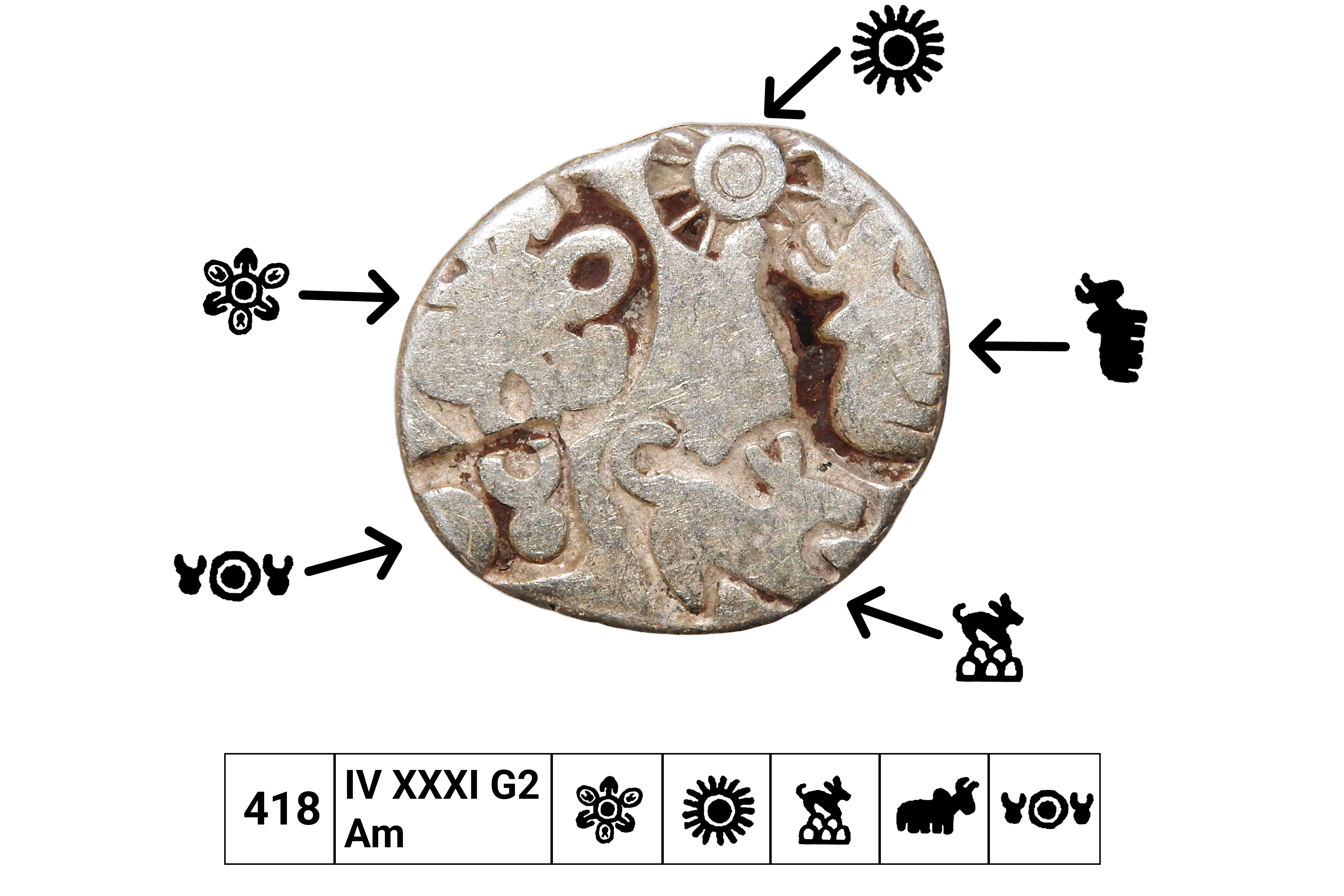
Lot No : 6
Auction No : 8
Magadha Janapadha, Nanda Dynasty (c.345-321 BC), Silver Karshapana, 3.00 grms, 5 main symbols- 1x 6 Armed Symbol, 1x Sun, 1x Dog/Rabbit standing on 5 arched hill, 1X Bull facing right, 1x Dot within circle flanked by two taurines, Gupta and Hardaker Series 'IVD'Type #418, Very Fine+, Very Scarce, intresting countermarks on reverse. The Nanda dynasty represented a decisive phase of political centralization in ancient India. Founded by Mahapadma Nanda, the dynasty greatly expanded Magadha’s dominance across northern India. The Nandas were famous for their immense wealth, rigorous taxation system, and a massive standing army. Their rule is often portrayed in ancient sources as powerful yet unpopular due to heavy fiscal demands and autocratic governance, which eventually led to the dynasty’s downfall
1100
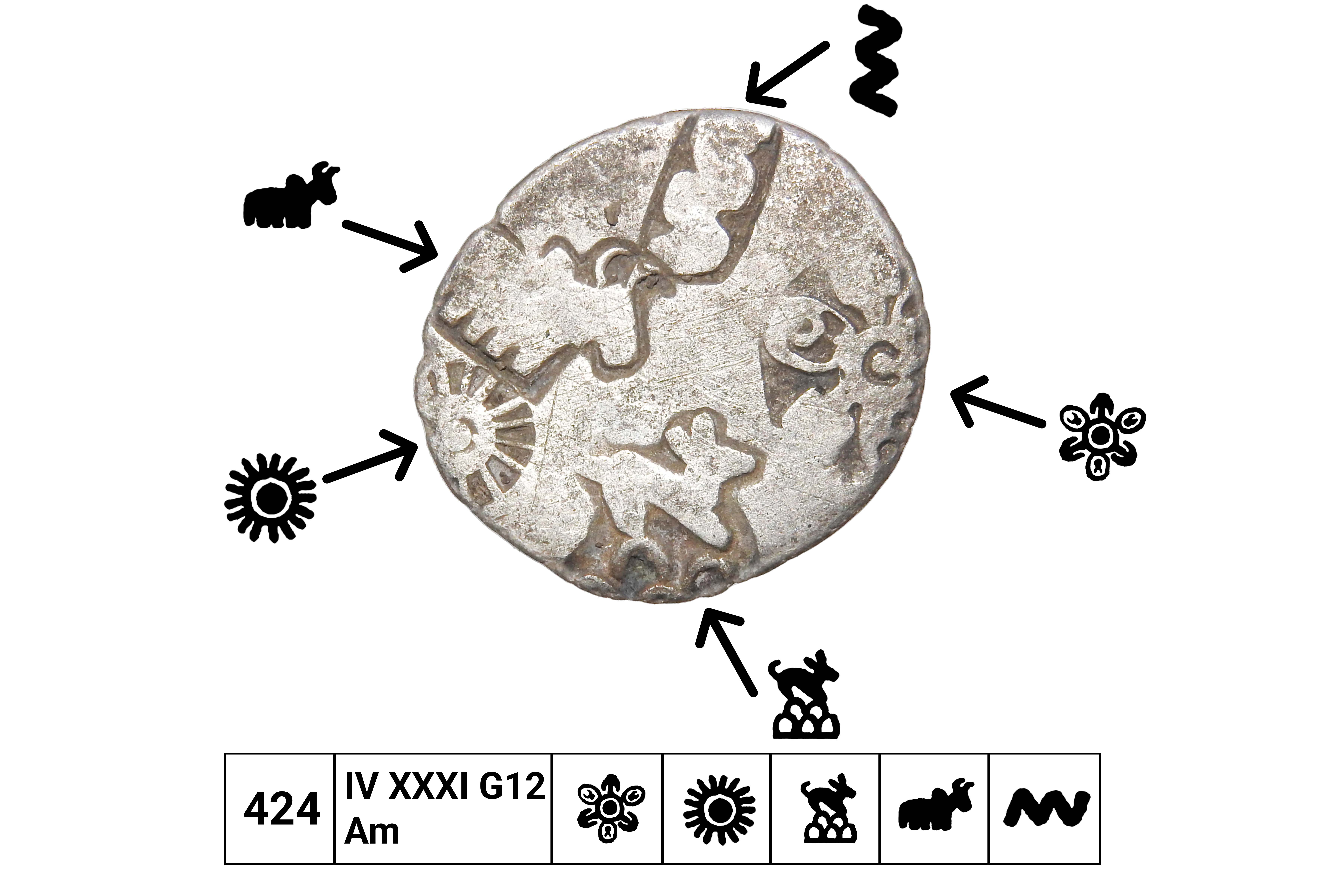
Lot No : 7
Auction No : 8
Magadha Janapadha, Nanda Dynasty (c.345-321 BC), Silver Karshapana, 3.00 grms, 5 main symbols- 1x 6 Armed Symbol, 1x Sun, 1x Dog/Rabbit standing on 5 arched hill, 1X Bull facing right, 1x Wavy line, Gupta and Hardaker Series 'IVD'Type #424, Very Fine+, Very Scarce, Bold symbols. The Nanda dynasty represented a decisive phase of political centralization in ancient India. Founded by Mahapadma Nanda, the dynasty greatly expanded Magadha’s dominance across northern India. The Nandas were famous for their immense wealth, rigorous taxation system, and a massive standing army. Their rule is often portrayed in ancient sources as powerful yet unpopular due to heavy fiscal demands and autocratic governance, which eventually led to the dynasty’s downfall
1100
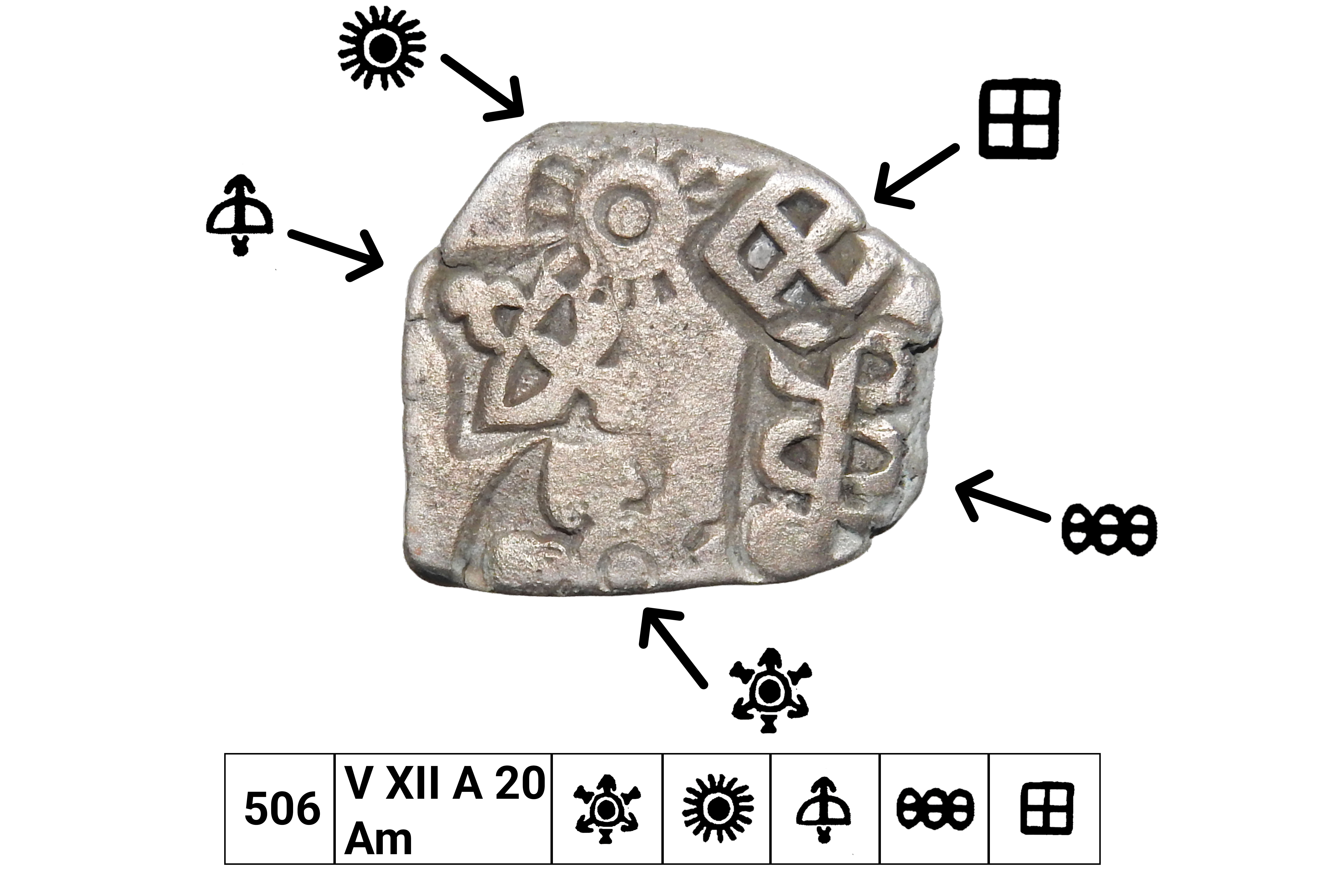
Lot No : 8
Auction No : 8
Magadha Janapadha, Chandragupta Maurya (c.322-297 BC), Silver Karshapana, 3.10 grms, 5 main symbols- 1x 6 Armed Symbol, 1x Sun, 1x Bow and arrow upward facing with inverted taurus symbol below, 1X 3 ovals in a row bisected by a central line, 1x Square with four parts, Gupta and Hardaker Series 'VA' Type #506, Extra Fine+, Rare, Bold symbols. Chandragupta Maurya was the founder of the Maurya Empire and a key architect of India’s first large centralized state. Rising after the decline of the Nanda dynasty, he unified most of northern India through military conquest and political strategy. Under the guidance of Chanakya, Chandragupta established a strong administrative system, powerful army, and stable economy. In later life, he adopted Jainism, renounced kingship, and became an ascetic
1700
Lot No : 9
Auction No : 8
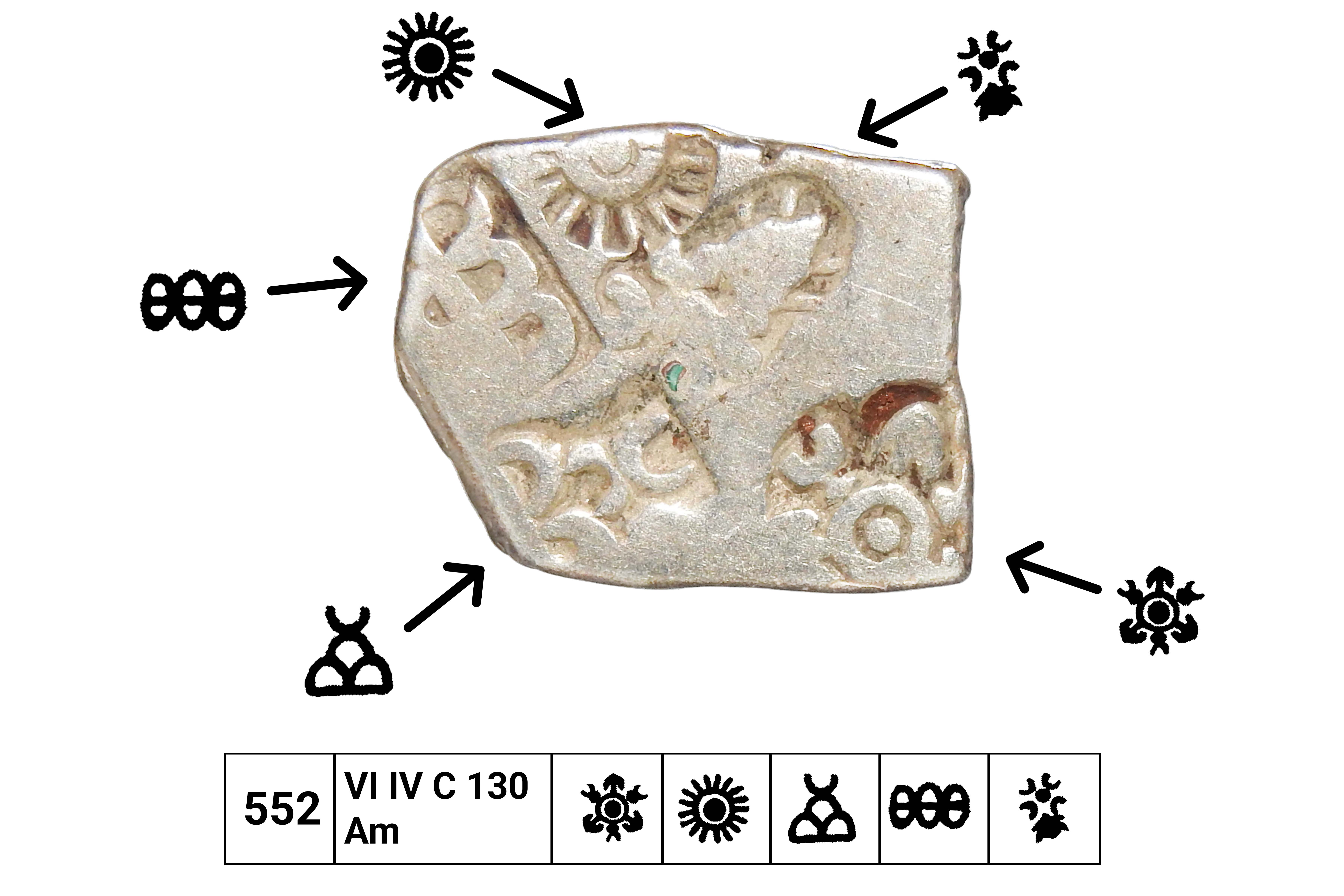
Magadha Janapadha, Ashoka the Great (c.268-232 BC), Silver Karshapana, 3.40 grms, 5 main symbols- 1x 6 Armed Symbol, 1x Sun, 1x 3 arched hill with crescent above, 1X 3 ovals in a row bisected by a central line, 1x Dot with crescent on 4 sides and tower on one side, Gupta and Hardaker Series 'VIB' Type #552, Extra Fine+, Rare, Bold symbols. Ashoka the Great was the third Maurya emperor and one of India’s most remarkable rulers. After the brutal Kalinga War, he embraced Buddhism and renounced violence, promoting dhamma based on moral governance, tolerance, and welfare. Ashoka ruled a vast empire, issued edicts on pillars and rocks across India, encouraged religious harmony, built stupas, and sent Buddhist missions abroad, shaping India’s political and spiritual history.
1100
Lot No : 10
Auction No : 8
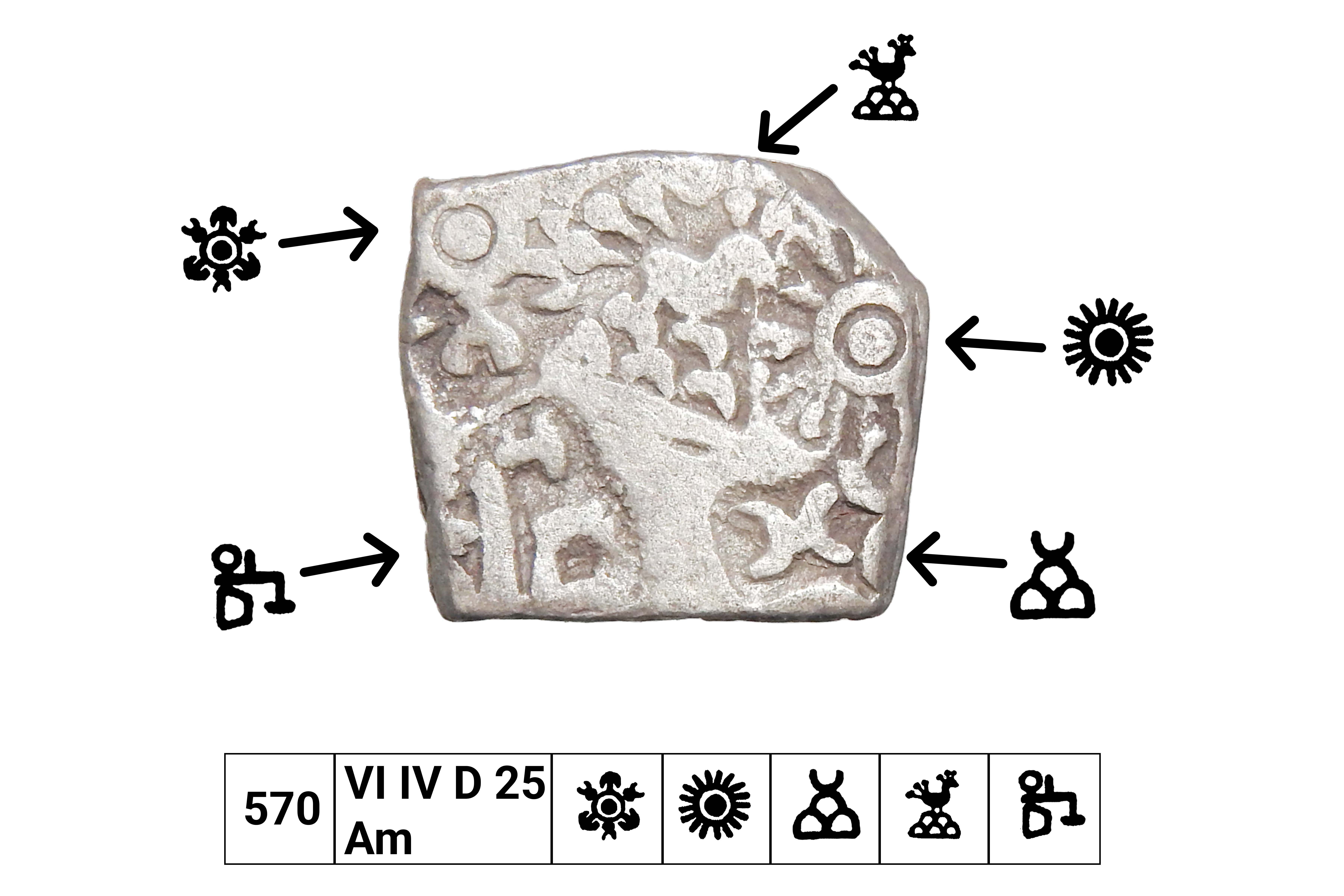
Magadha Janapadha, Ashoka the Great (c.268-232 BC), Silver Karshapana, 3.20 grms, 5 main symbols- 1x 6 Armed Symbol, 1x Sun, 1x 3 arched hill with crescent above, 1X Rooster facing right standing on a 5 arched hill, 1x Steelyard (Balance) with pan to left, Gupta and Hardaker Series 'VIB' Type #570, Extra Fine+, Rare, Bold symbols. Ashoka the Great was the third Maurya emperor and one of India’s most remarkable rulers. After the brutal Kalinga War, he embraced Buddhism and renounced violence, promoting dhamma based on moral governance, tolerance, and welfare. Ashoka ruled a vast empire, issued edicts on pillars and rocks across India, encouraged religious harmony, built stupas, and sent Buddhist missions abroad, shaping India’s political and spiritual history
 WhatsApp