
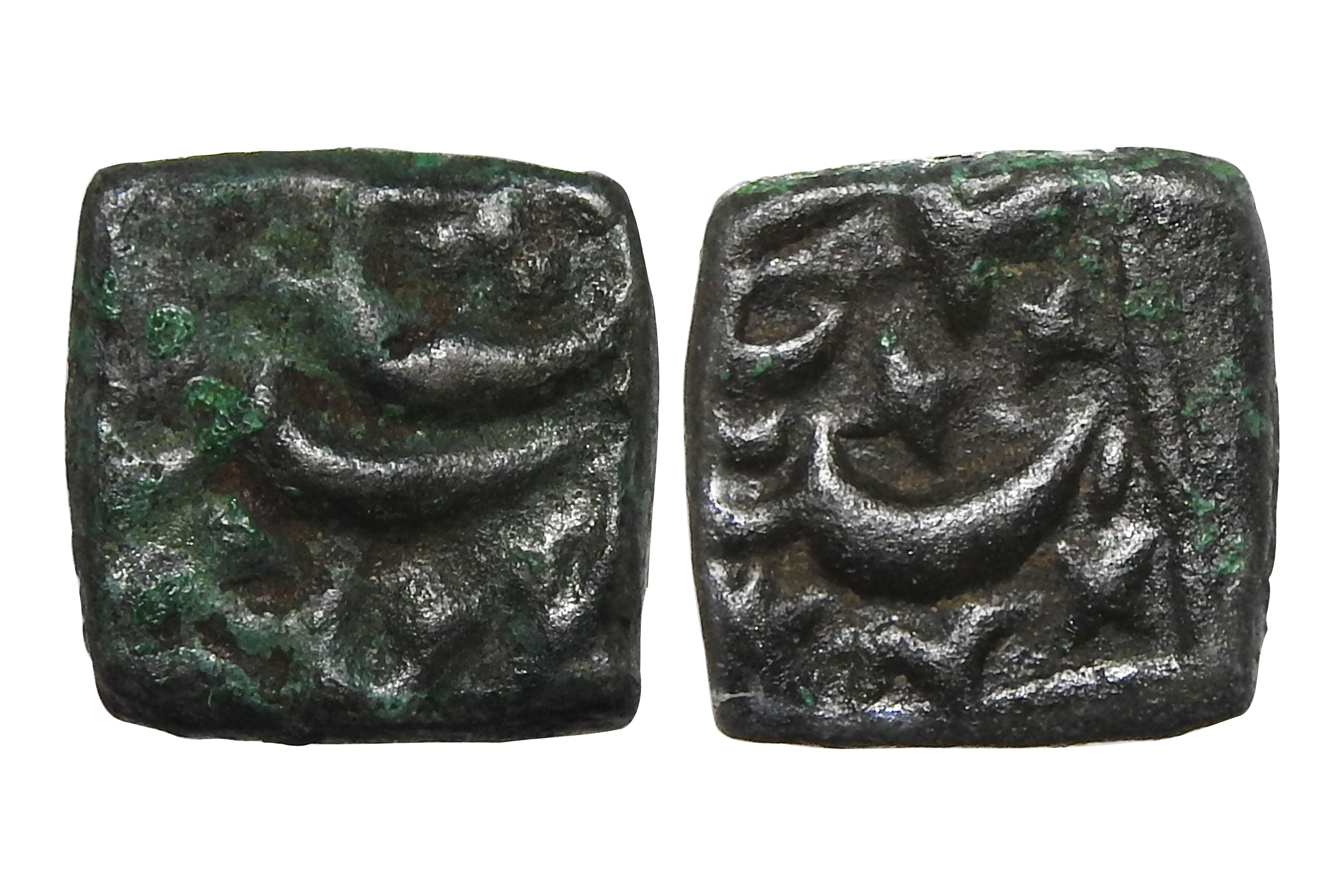
Lot No : 135
Auction No : 8
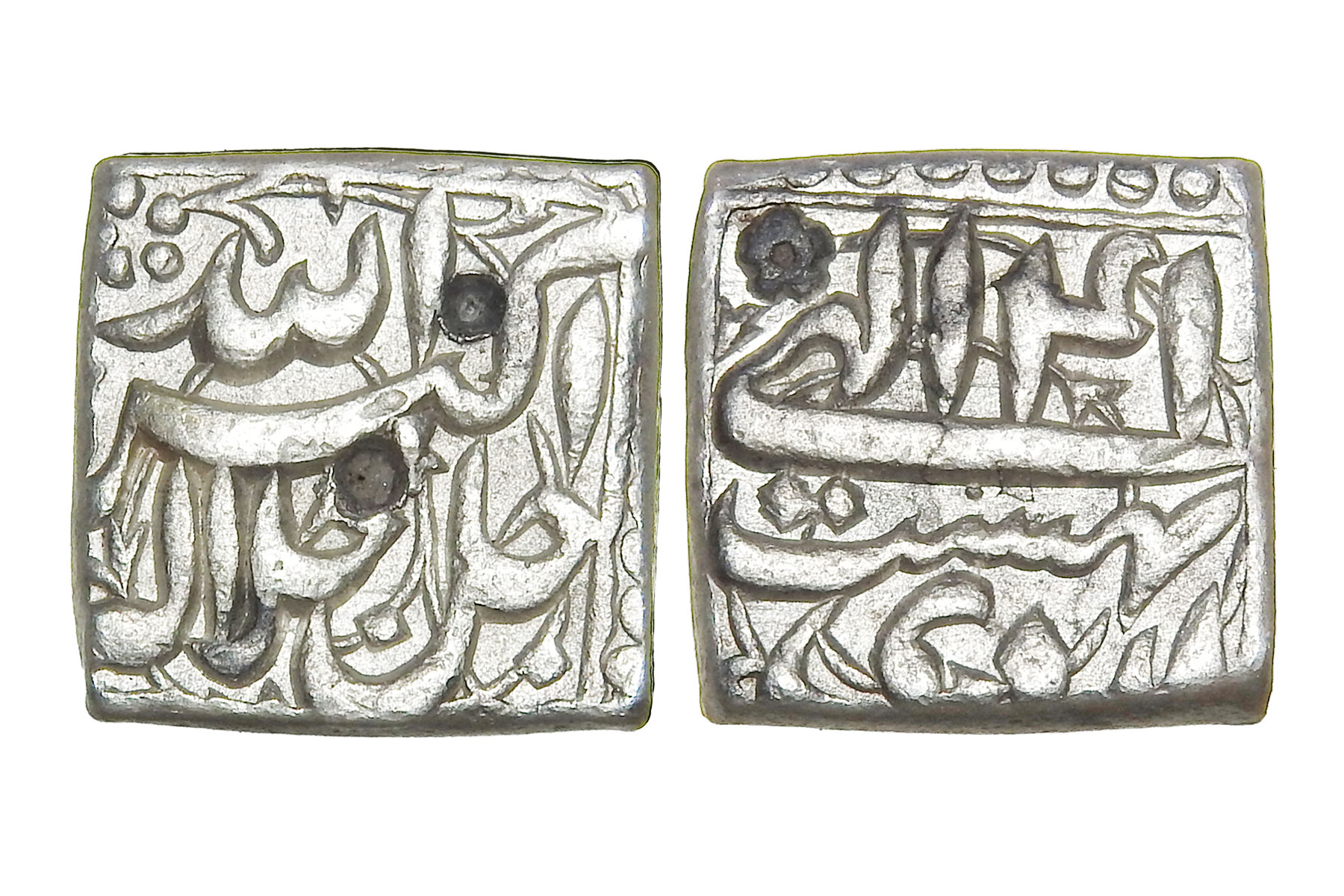
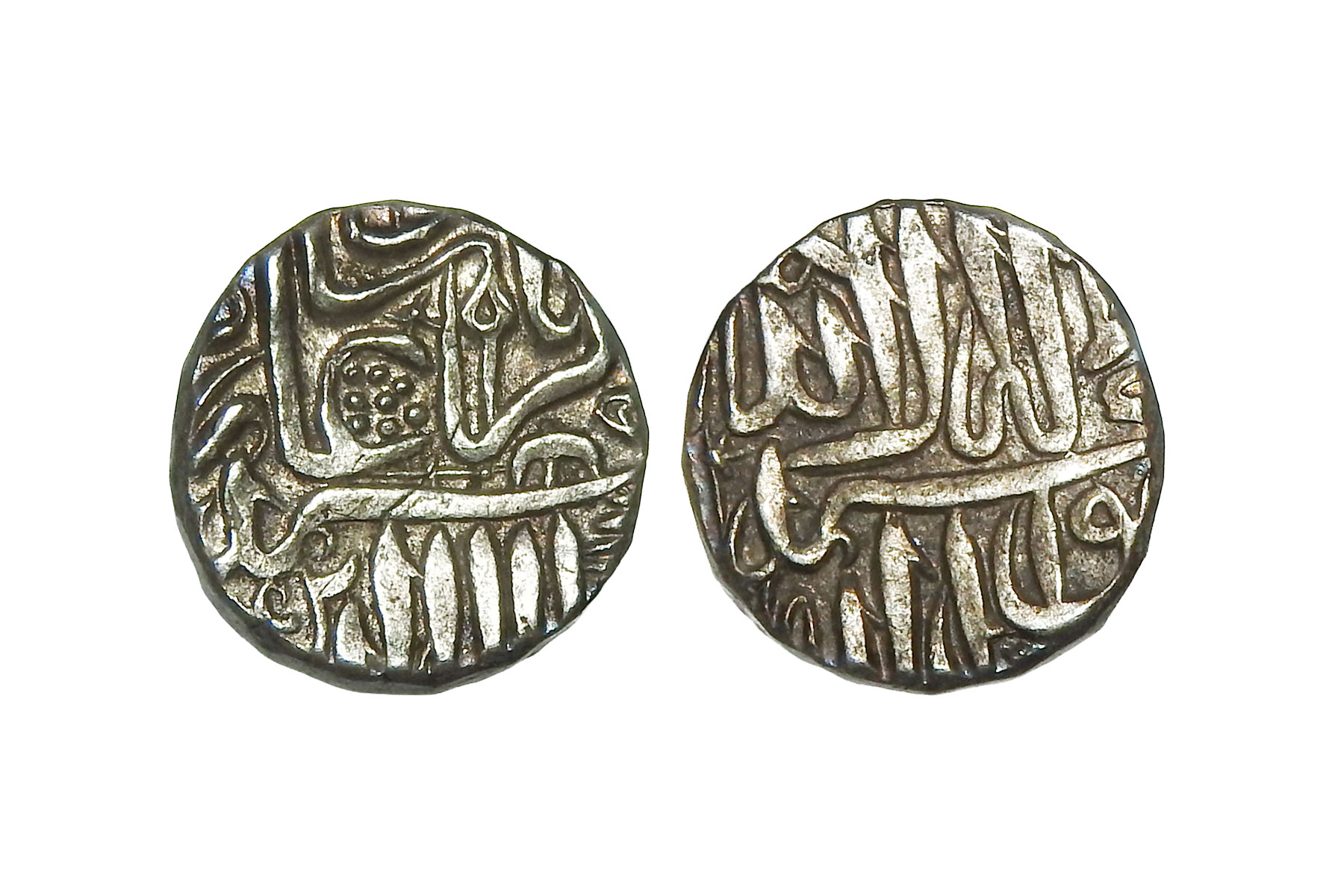
Mughal Empire, Akbar(c. 1556-1605CE), 1/2 Falus, 6.40grms, Illahi 41, Minted at Sikar, Very Fine+, Very Rare Akbar’s Sikar issues are rare because the mint functioned briefly, likely tied to short-lived military consolidation in Shekhawati during Rajput campaigns. Limited duration and low output, rather than circulation loss, explain their scarcity
4300
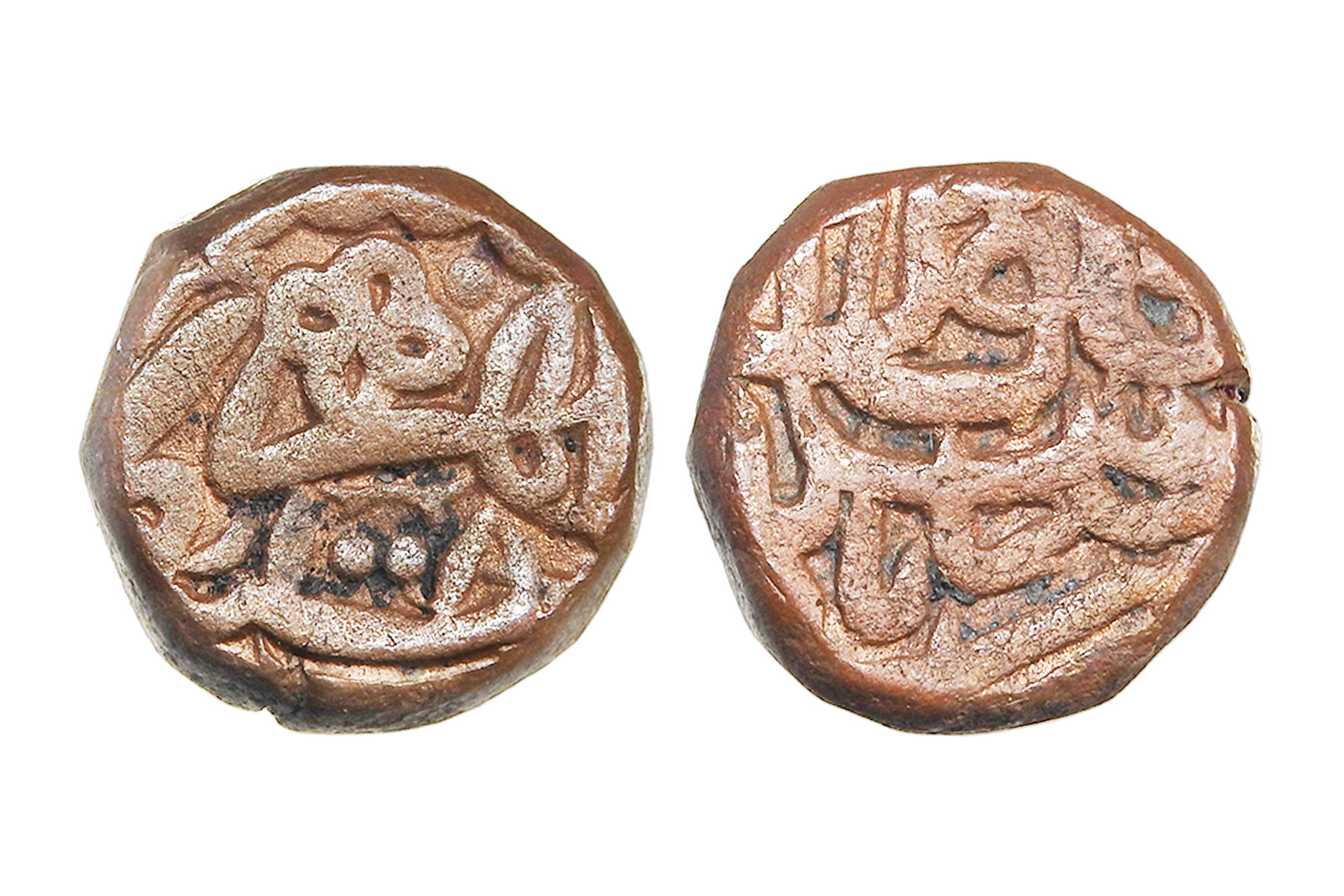
Lot No : 136
Auction No : 8
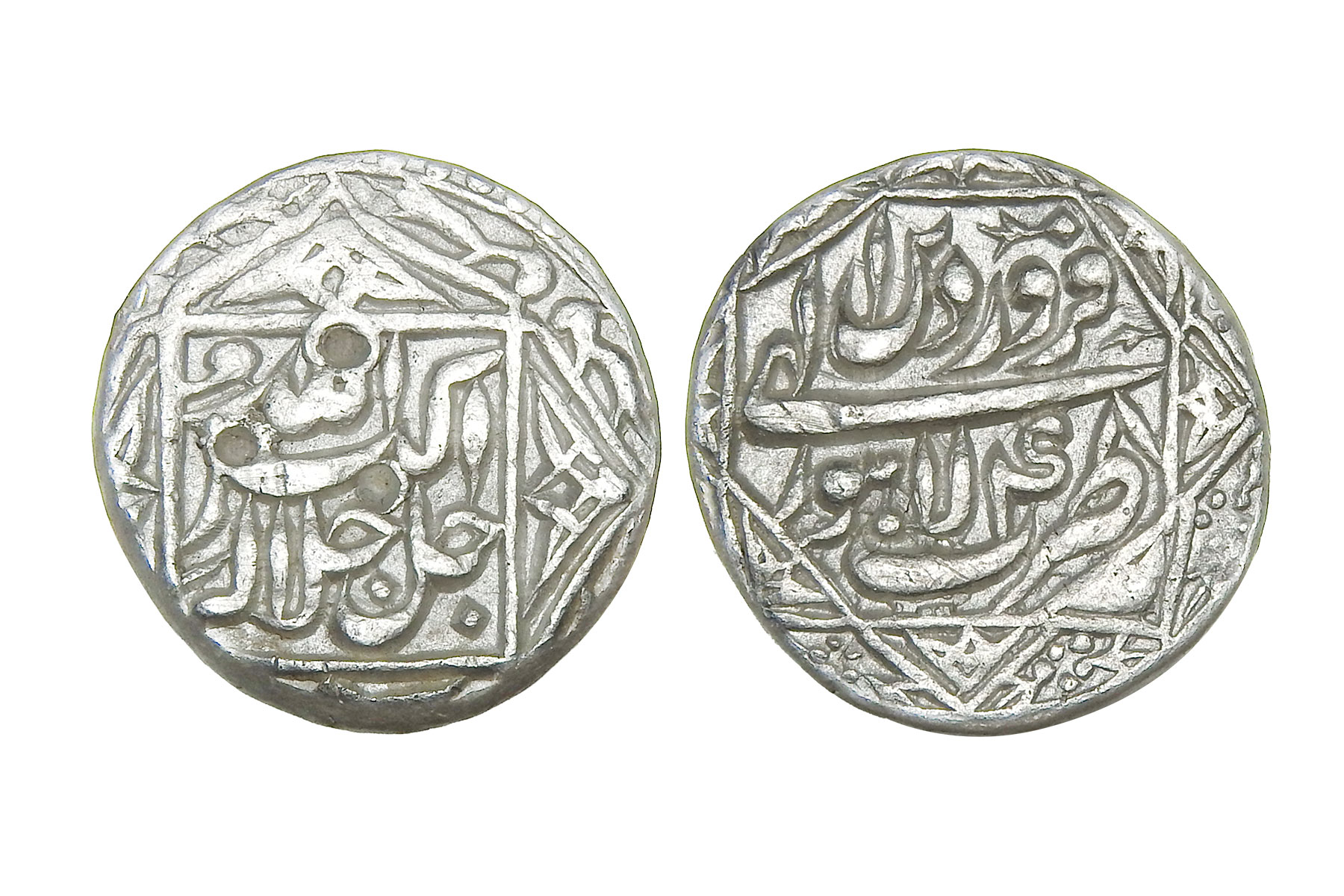
Mughal Empire, Akbar(c. 1556-1605CE), Copper Dam, 20.20grms, AH1008, Minted at Salimabad, Very Fine, Very Scarce. Salimabad is associated with Akbar’s consolidation of the Gangetic Doab, a region repeatedly unsettled by Afghan resistance after the fall of the Sur dynasty. The mint reflects Mughal efforts to stabilise territory between Delhi and Awadh, securing supply lines and imperial authority in a strategically sensitive zone during ongoing military pacification. AH 1008 = 1599–1600 AD-It falls in the late reign of Akbar, during his Deccan campaigns and the period when Prince Salim’s rebellion (Allahabad) was unfolding
4300
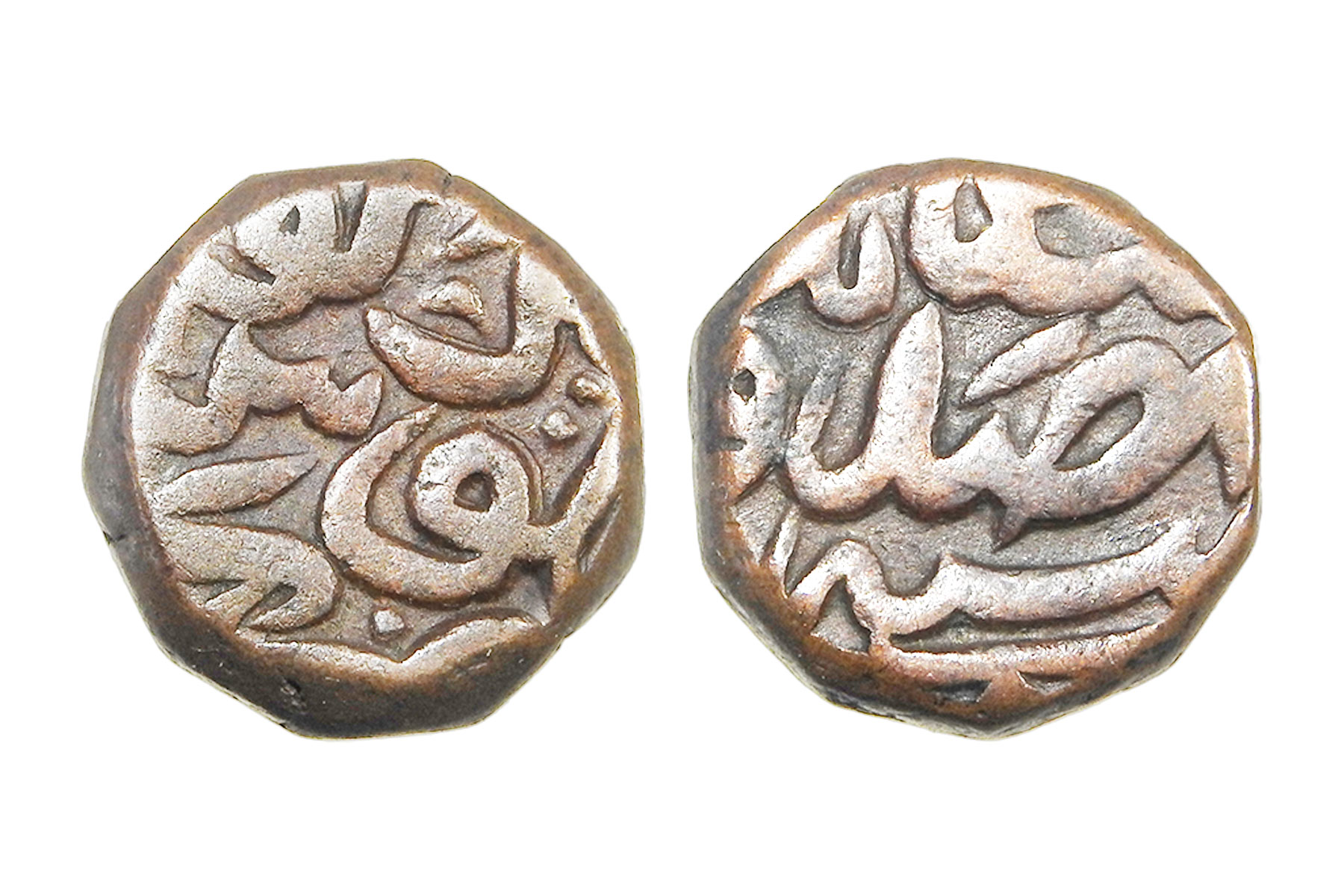
Lot No : 137
Auction No : 8
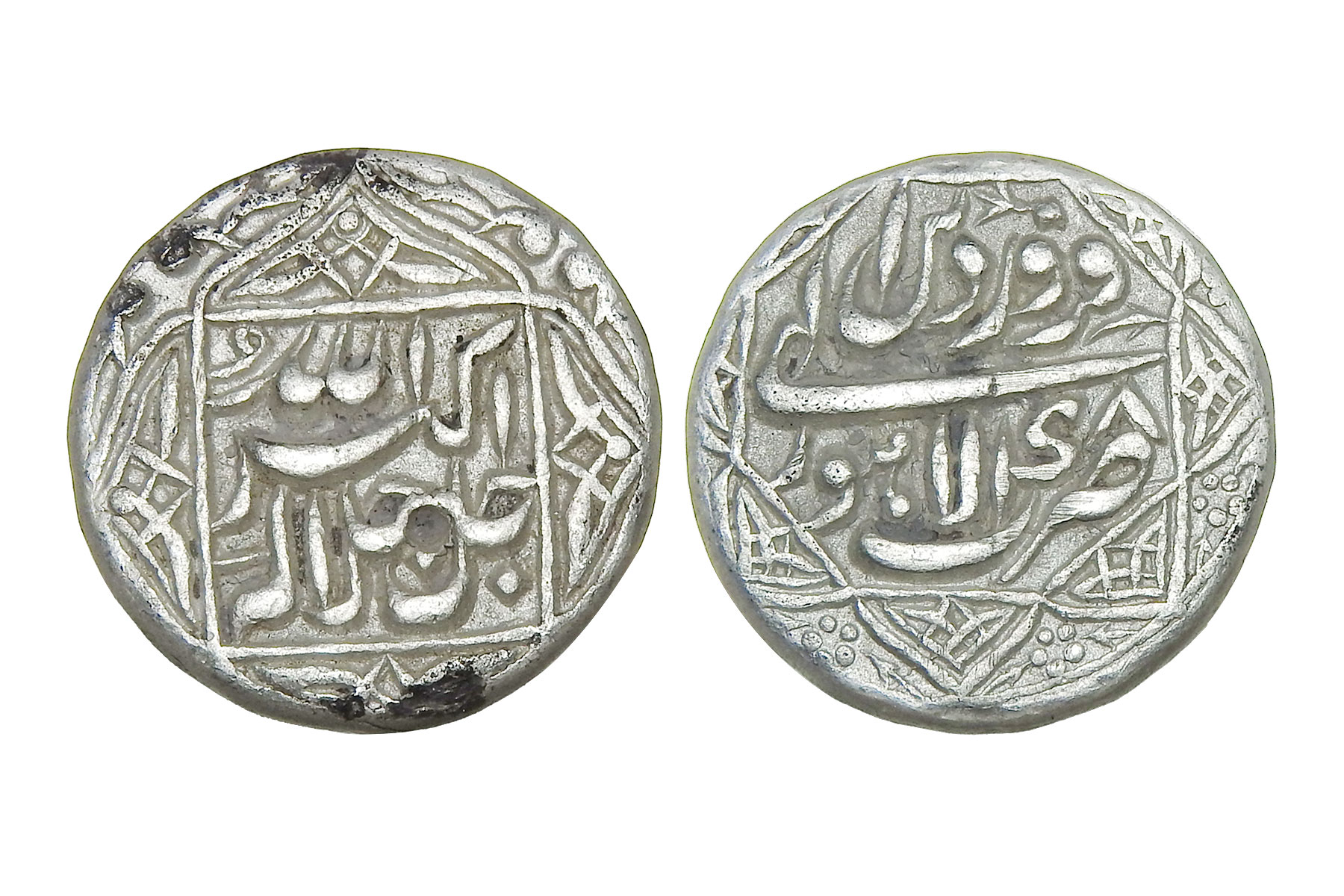
Mughal Empire, Akbar(c. 1556-1605CE), Copper Dam, 20.70grms, AH980, Minted at Sherkot, Very Fine+, Scarce. Sherkot (also read as Shahkot) is linked to Akbar’s consolidation of the Punjab region during operations against Afghan groups that continued to challenge Mughal authority after the Sur period. The mint reflects Mughal efforts to secure the Punjab–Indus corridor, vital for frontier defence and communication with Lahore and the north-west.
2600
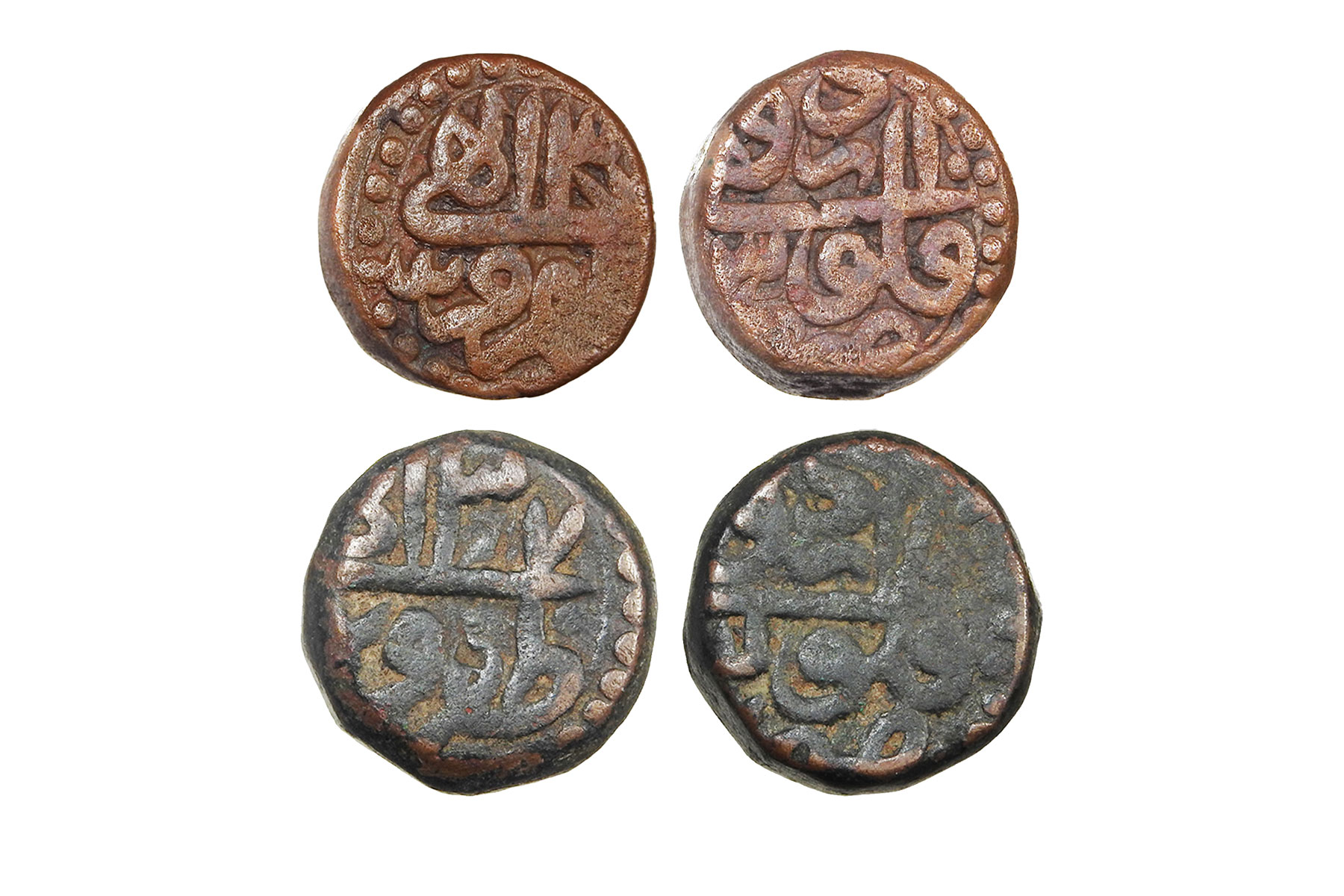
Lot No : 138
Auction No : 8
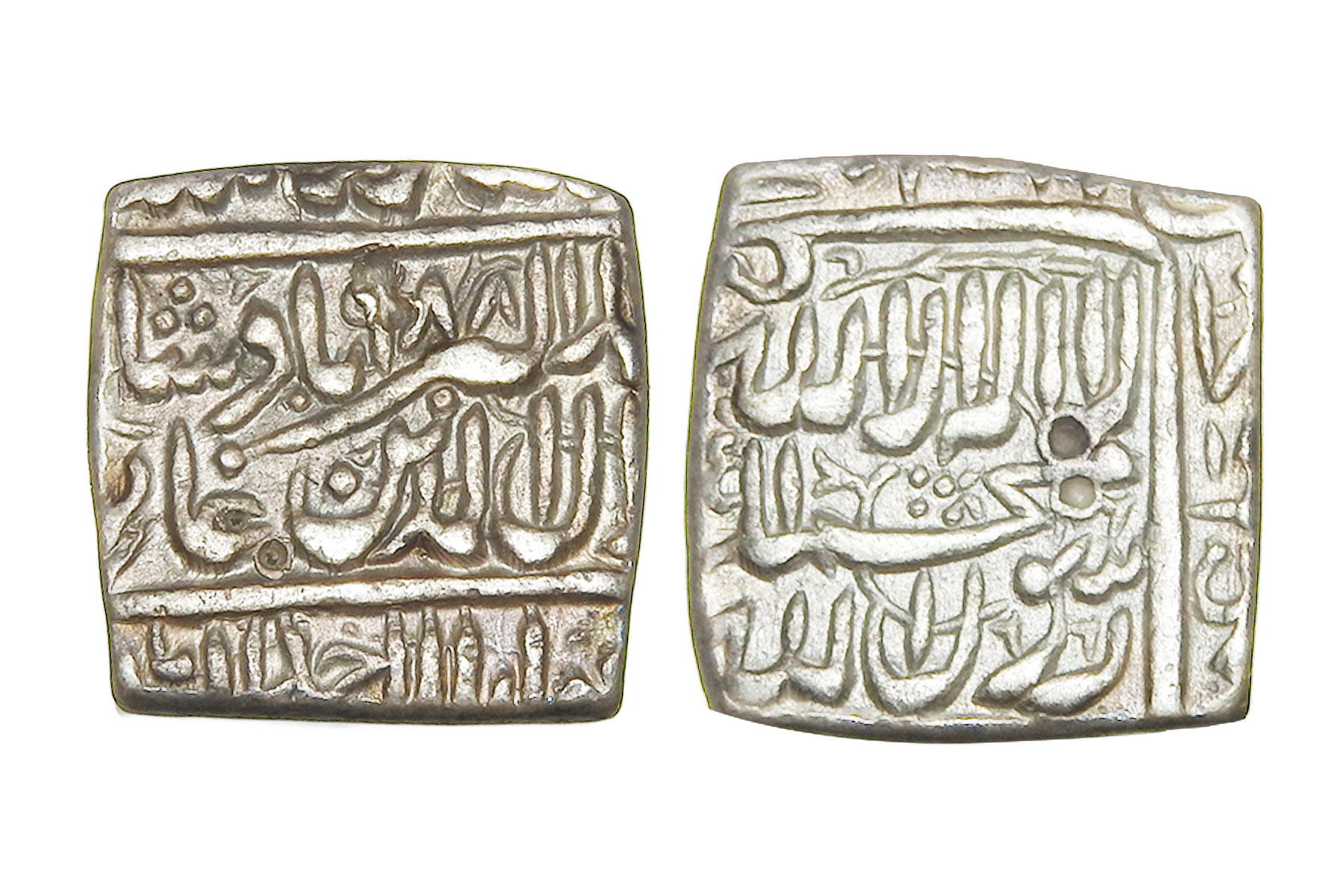
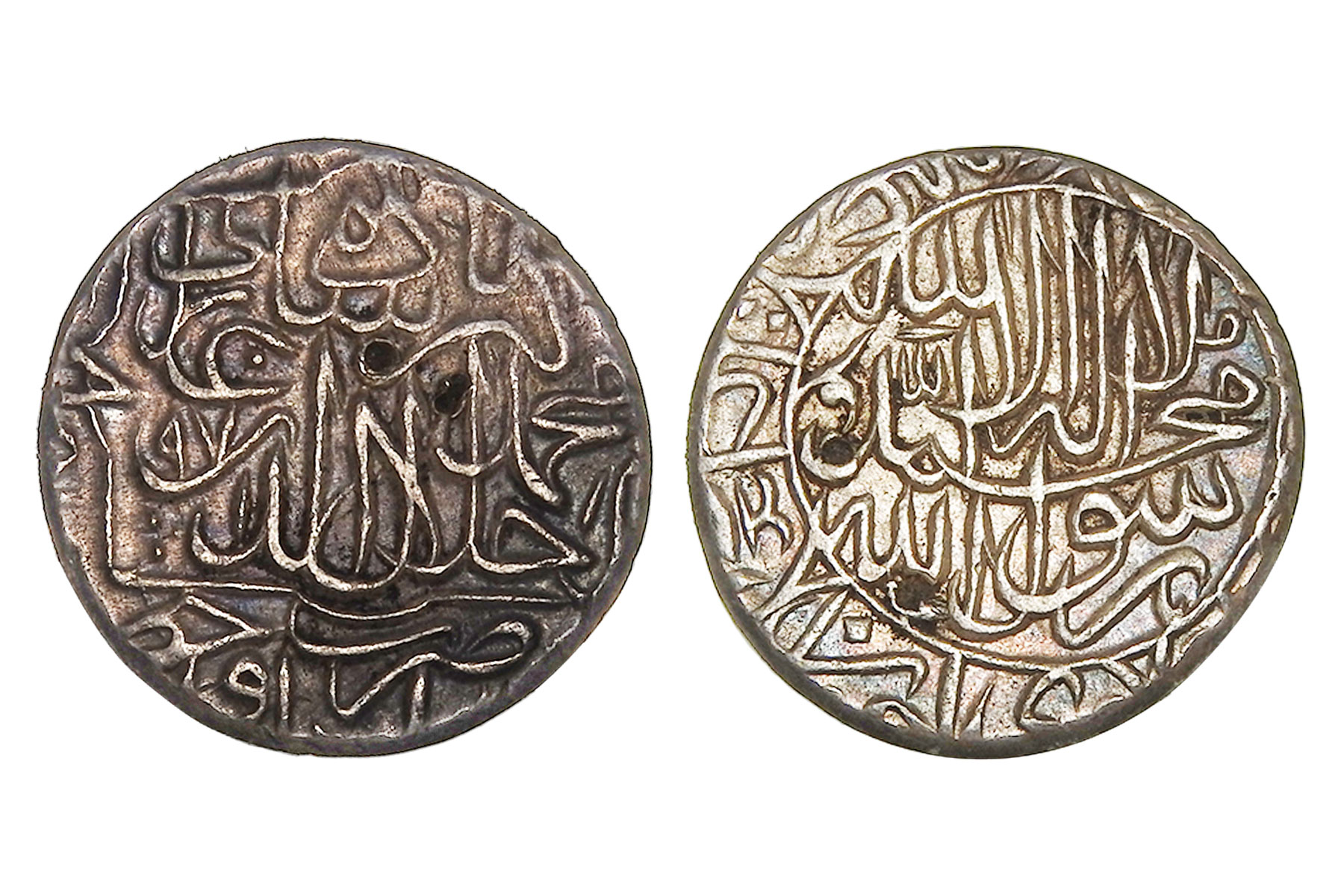
Mughal Empire, Akbar(c. 1556-1605CE), 2 coins, Copper Dam, 20.50grms & 20.00grms, Illahi 37, Minted at Urdu Zafar Qarin, Very Fine, Scarce Under Akbar, Urdu-e-Zafar Qurani refers to coins carrying a Qurʾanic victory legend (zafar), used during periods of warfare to invoke divine support. These coins were struck at multiple regular mints (Delhi, Lahore, Agra, etc.), but the legend identifies ideology
 WhatsApp