
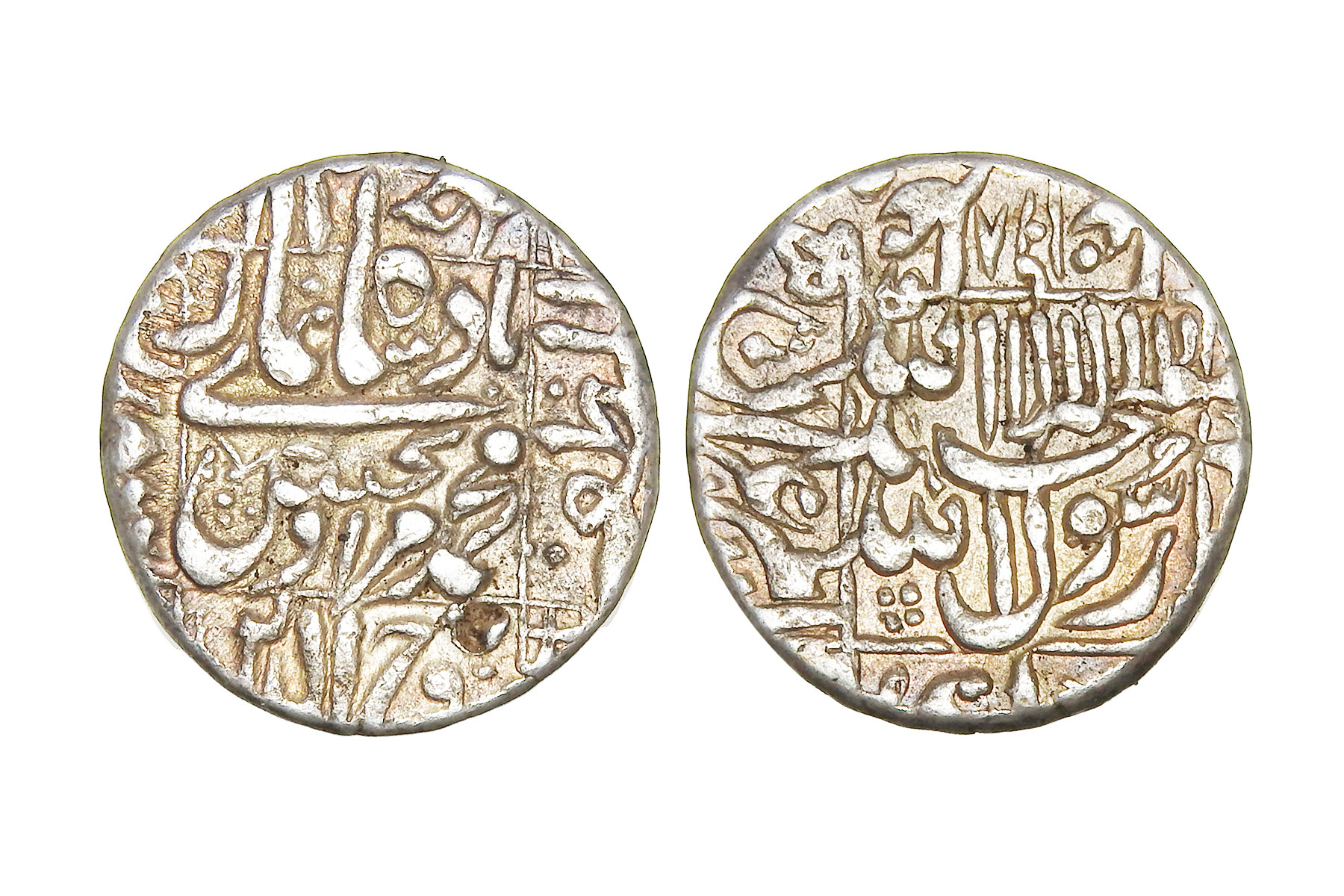
Lot No : 159
Auction No : 8
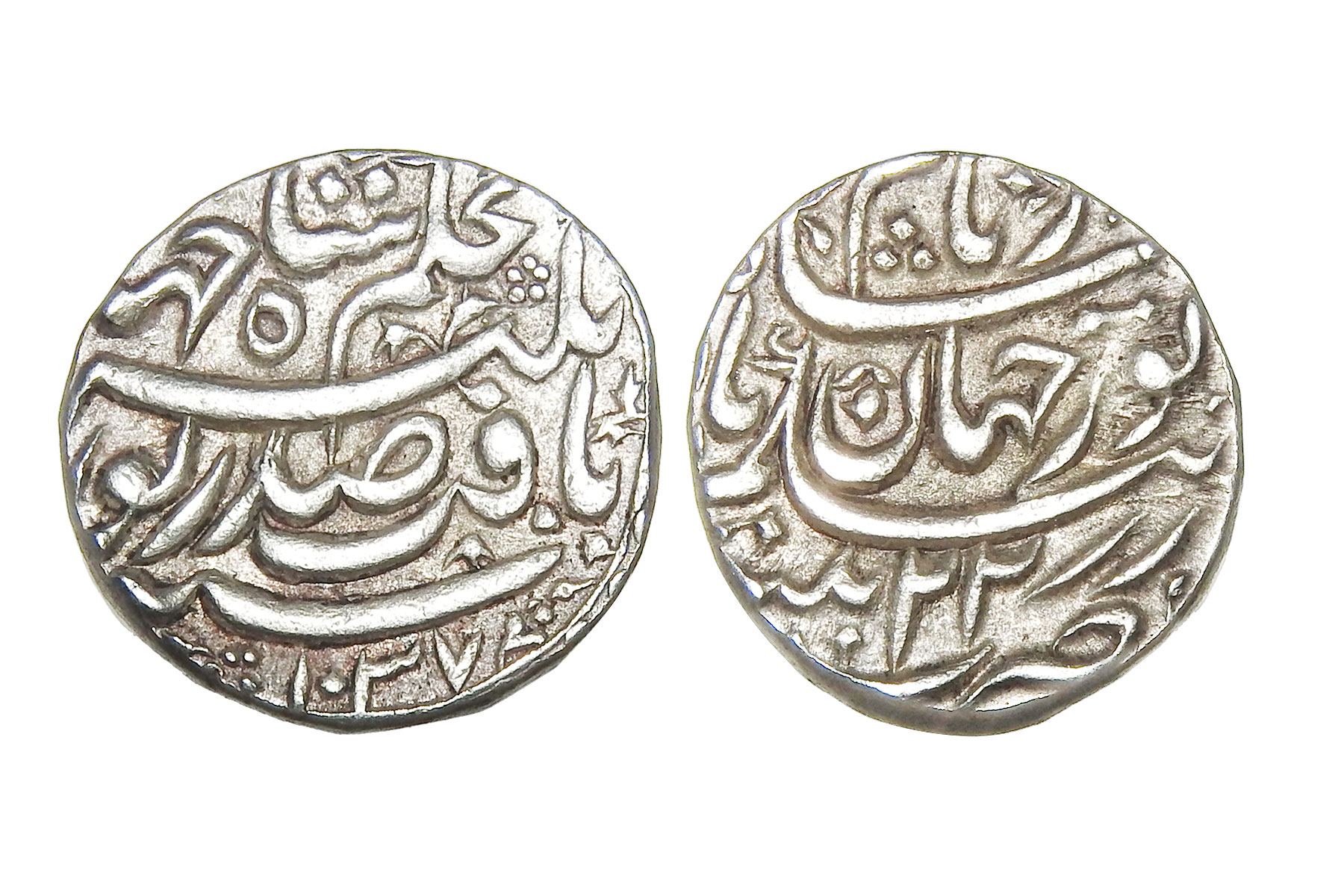
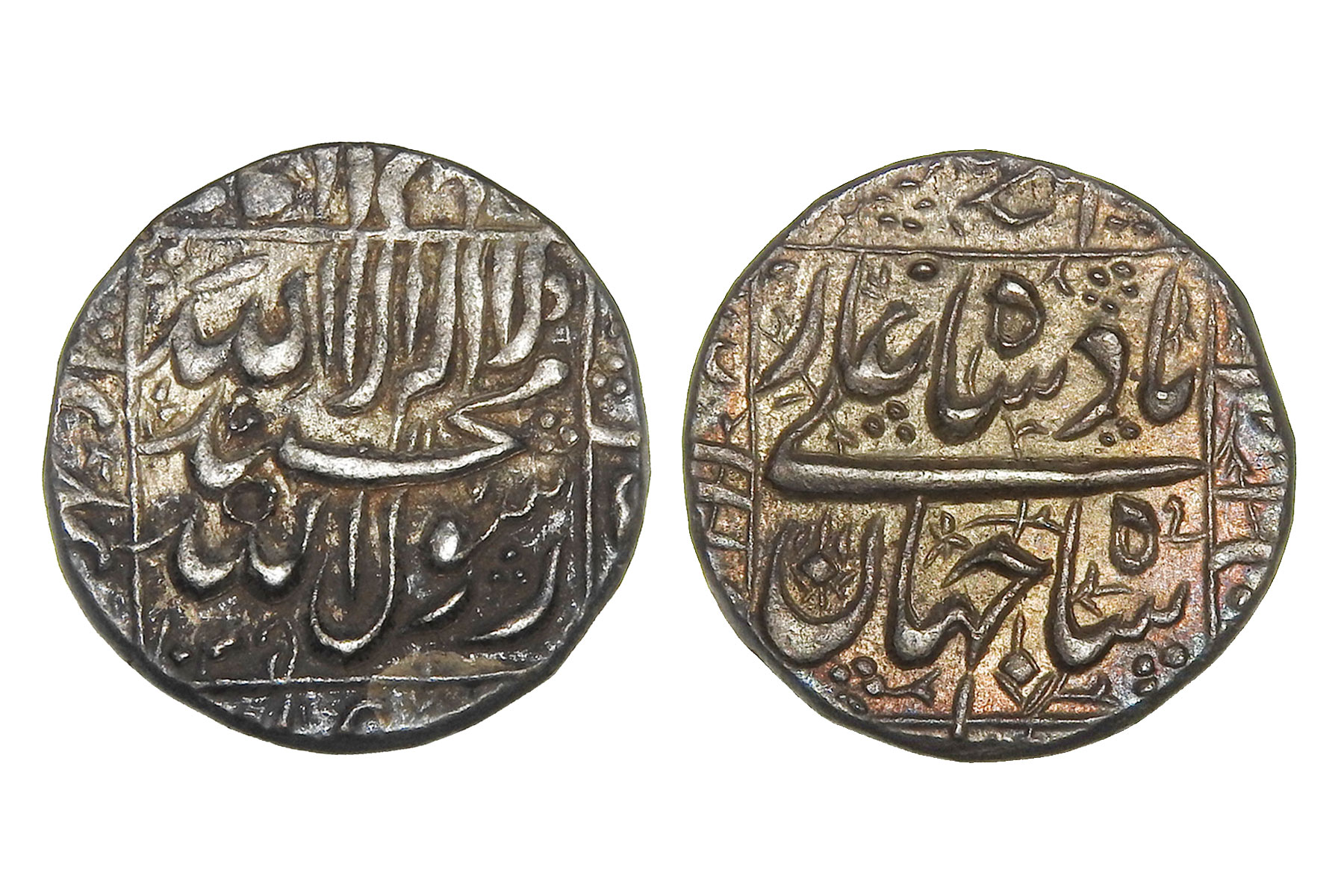
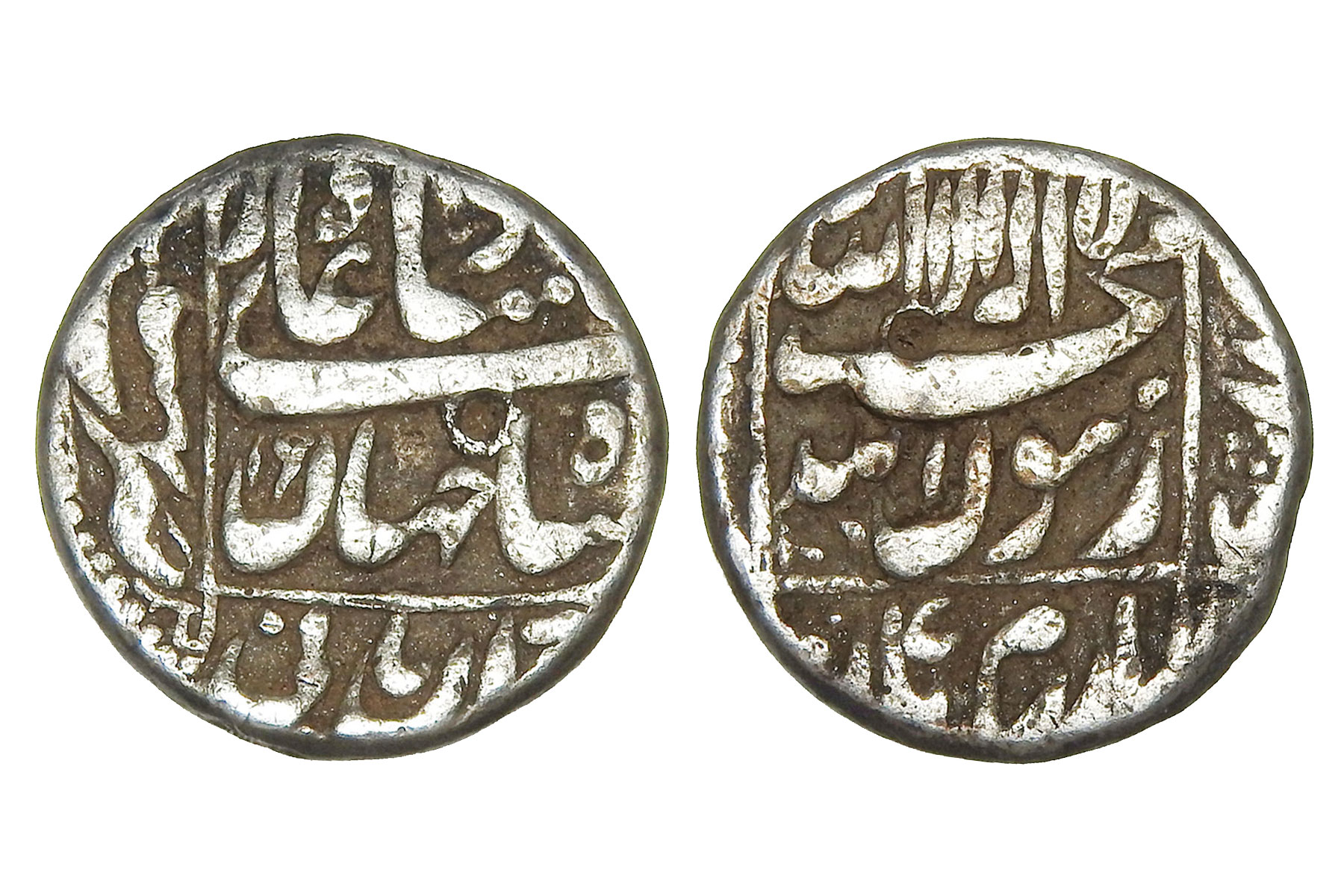
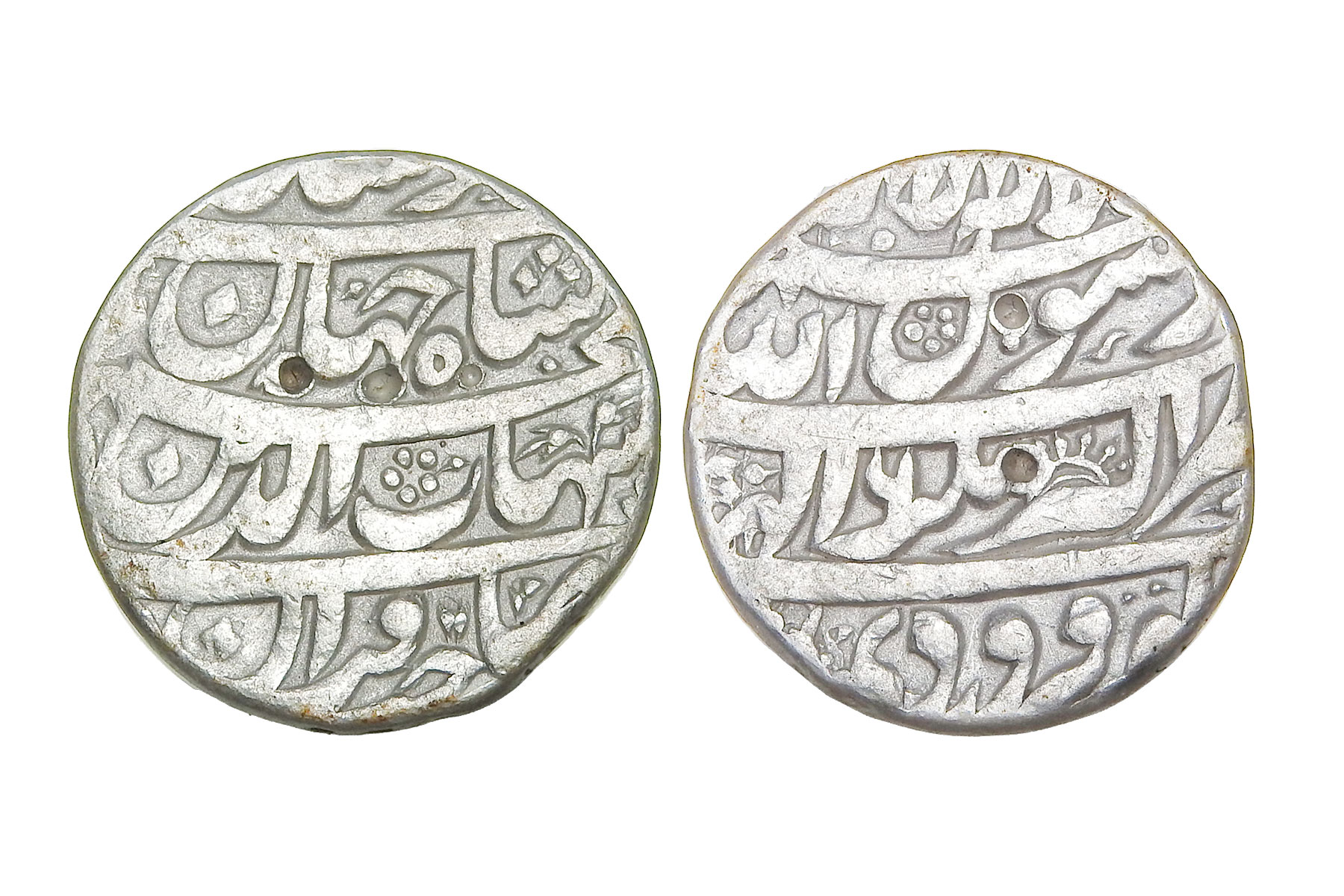
Mughal Empire, Murad Baksh (c. 1646CE), Silver Rupee, 11.30grms, Minted at Surat, AH1068, Extra Fine+, Rare Murad Bakhsh used the Surat mint during the war of succession after Shah Jahan’s illness. Surat’s wealth and port access made it crucial for financing Murad’s bid against Aurangzeb and Dara Shikoh. His issues from Surat reflect a brief, contested claim to imperial authority amid civil war
12000
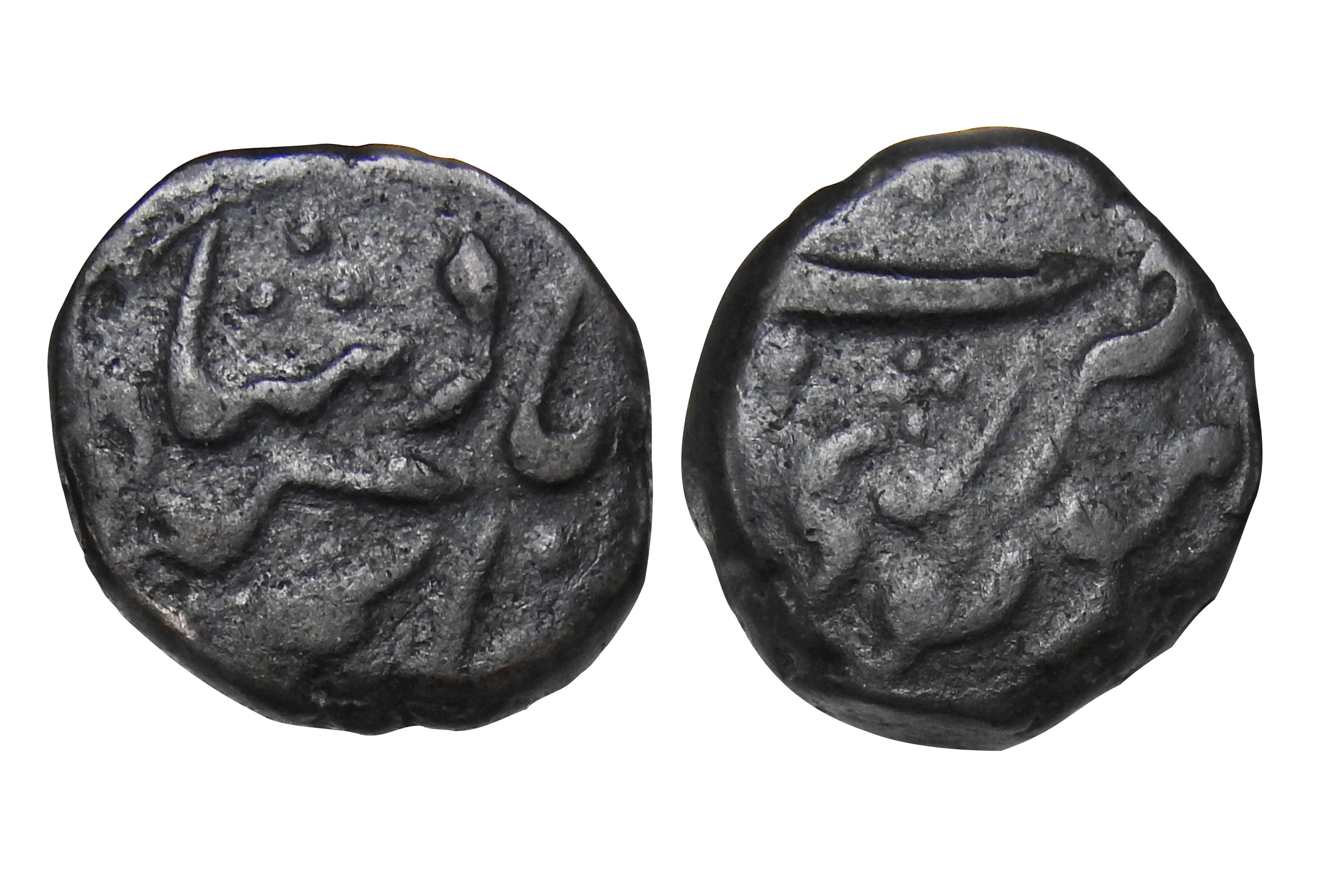
Lot No : 160
Auction No : 8
Mughal Empire, Aurangzeb Alamgir(c. 1658-1707CE), Copper Paisa, 9.80grms, Minted at Guti/Gooty(Ananthpur Distruct, AndraPradesh), Extra Fine, Guti is common in Gold coins and scarce in silver coins but copper coins are very Rare (First time being offered in any auction house) Guti came under Mughal control in the late 1680s, following Aurangzeb’s decisive conquests of the Bijapur and Golconda Sultanates, and remained under Mughal authority until his death in 1707 CE. The mint functioned during a period of intense and prolonged warfare in the Deccan, particularly against the Marathas, who posed a persistent military challenge. Strategically located in the eastern Deccan, Guti supported Mughal armies and administration by supplying local coinage, reflecting Aurangzeb’s deep military engagement in southern India during the final decades of his reign
11000
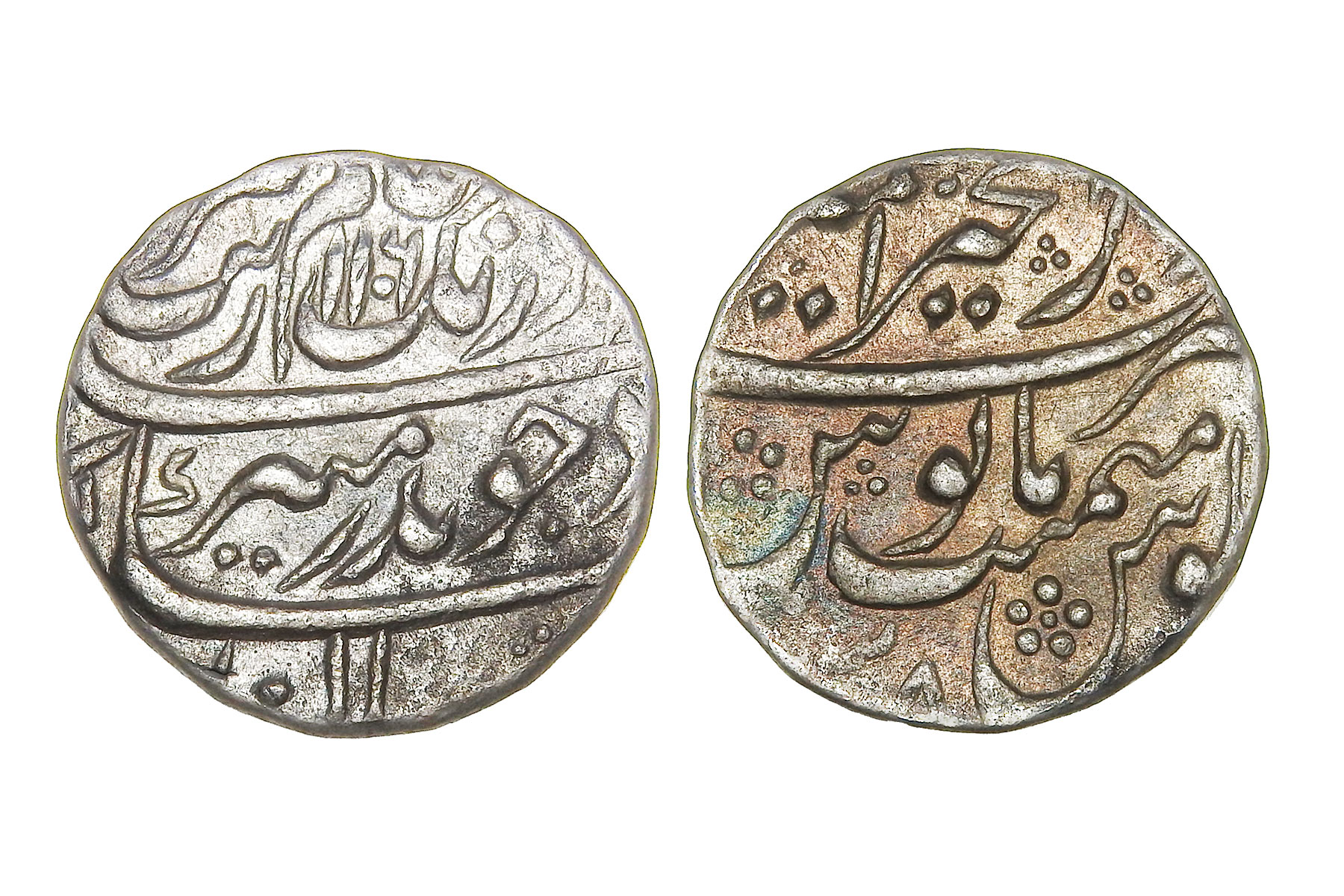
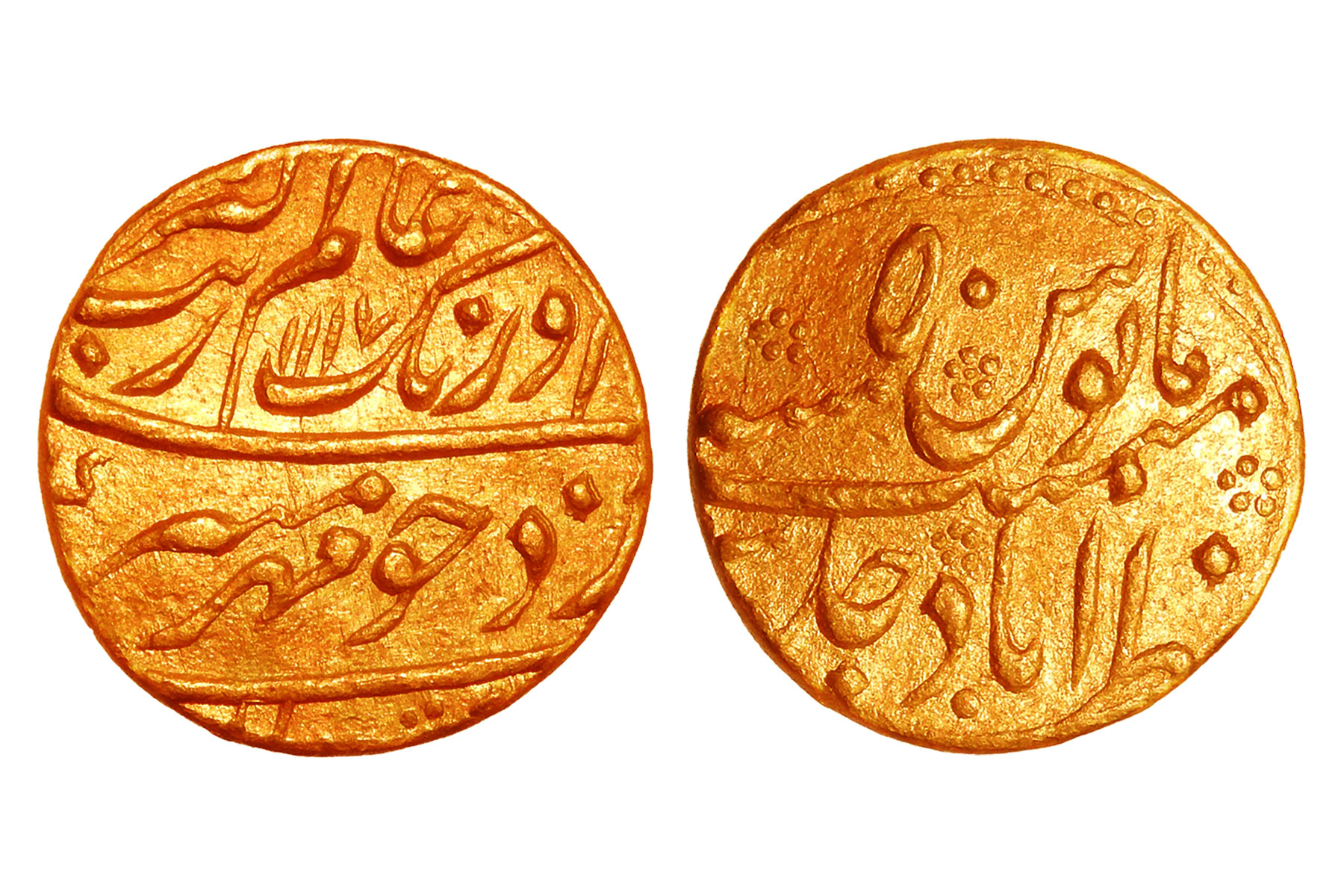
Lot No : 162
Auction No : 8
Mughal Empire, Aurangzeb Alamgir(c. 1658-1707CE), Gold Mohur, 10.90grms, AH1117/RY50, Minted at Azimabad(Patna), Uncirculated with almost complete mint visible on reverse, Very Rare Aurangzeb Alamgir of the was in the late middle period of his reign when this gold Mohur was minted. Azimabad (modern Patna) was an important administrative and commercial center in Bihar, serving as a hub for agriculture, trade, and revenue collection under Mughal supervision. Aurangzeb strengthened imperial authority in the region through strict revenue administration, military presence, and support for mosque construction, reinforcing both political and religious control. Aurangzeb relied on local officers (mansabdars) to manage revenues and maintain order, countering growing challenges from regional zamindars and emerging Maratha influence further west. His policies ensured that Azimabad remained a strategically and financially important Mughal outpost
190000
Lot No : 163
Auction No : 8
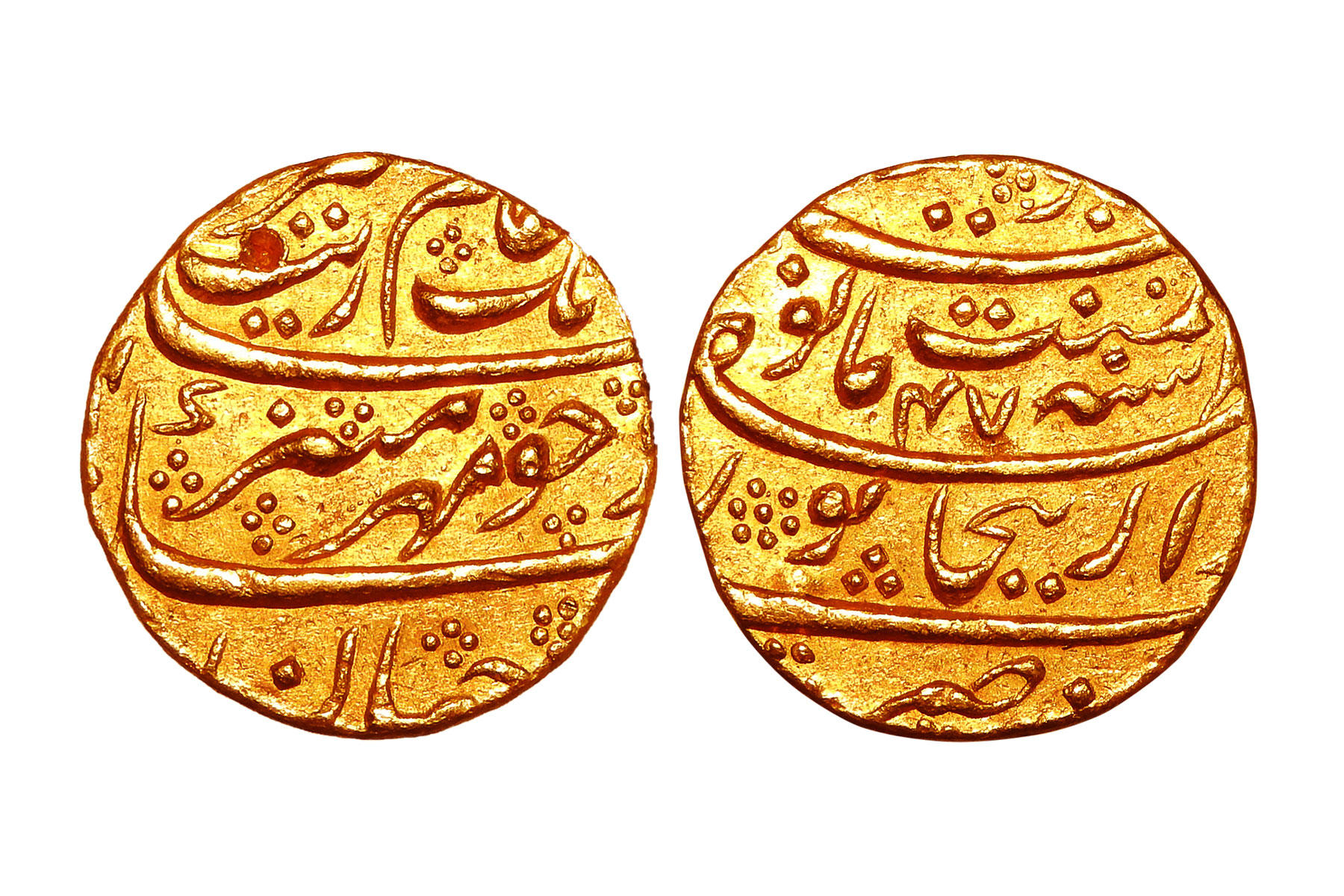
Mughal Empire, Aurangzeb Alamgir(c. 1658-1707CE), Gold Mohur, 10.90grms, Minted at Dar al-Zafar Bijapur, RY47, Almost Uncirculated with a tiny test mark on obverse, Extra Fine+, Rare Mint. Struck during the later Deccan phase of Aurangzeb’s reign, this issue belongs to the period when the Mughal emperor had annexed the Adil Shahi kingdom and transformed Bijapur into an imperial provincial center. By Regnal Year 47 (c. 1703–1704 CE), Aurangzeb was deeply engaged in prolonged Deccan campaigns against the Marathas, directing military operations personally from the south. Coinage from this phase reflects the firm assertion of Mughal sovereignty over recently conquered territories.
160000
Lot No : 164
Auction No : 8
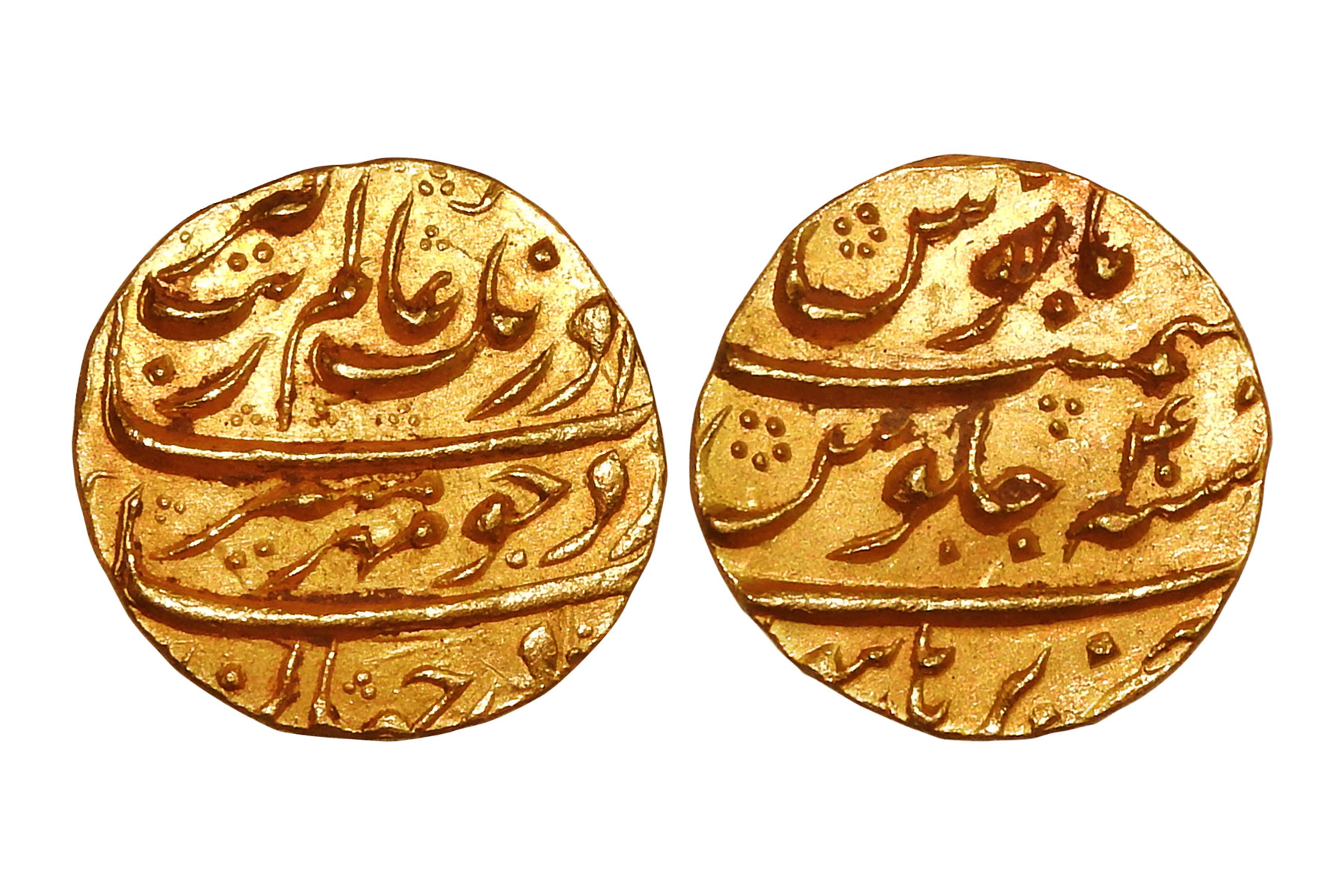
Mughal Empire, Aurangzeb Alamgir(c. 1657-1707CE), Gold Mohur, 11.00grms, RY40, Minted at Burhanpur, deep strike, with a high relif, Uncirculated, Rare. During his Deccan campaigns (late 17th century), Aurangzeb (r. 1658–1707 CE) used Burhanpur as a key military and administrative base. Strategically located on the trade route to the Deccan plateau, it served as a logistics hub for Mughal armies during campaigns against the Deccan sultanates and Marathas. The city also hosted imperial workshops and mints, producing coinage in the Mughal style to assert authority. Aurangzeb spent several months here during the 1680s–1690s, consolidating control over the region and maintaining supply lines, fortifications, and local administration. His presence reinforced Burhanpur’s importance as a Mughal military center, linking northern Mughal territories with the Deccan and facilitating campaigns against Maratha strongholds.
 WhatsApp